David Sacks Shapes Trump's Hands-Off AI Policy
The venture capitalist and former White House czar champions open-weight models and minimal regulation, opposing the safety agenda of OpenAI and Anthropic.
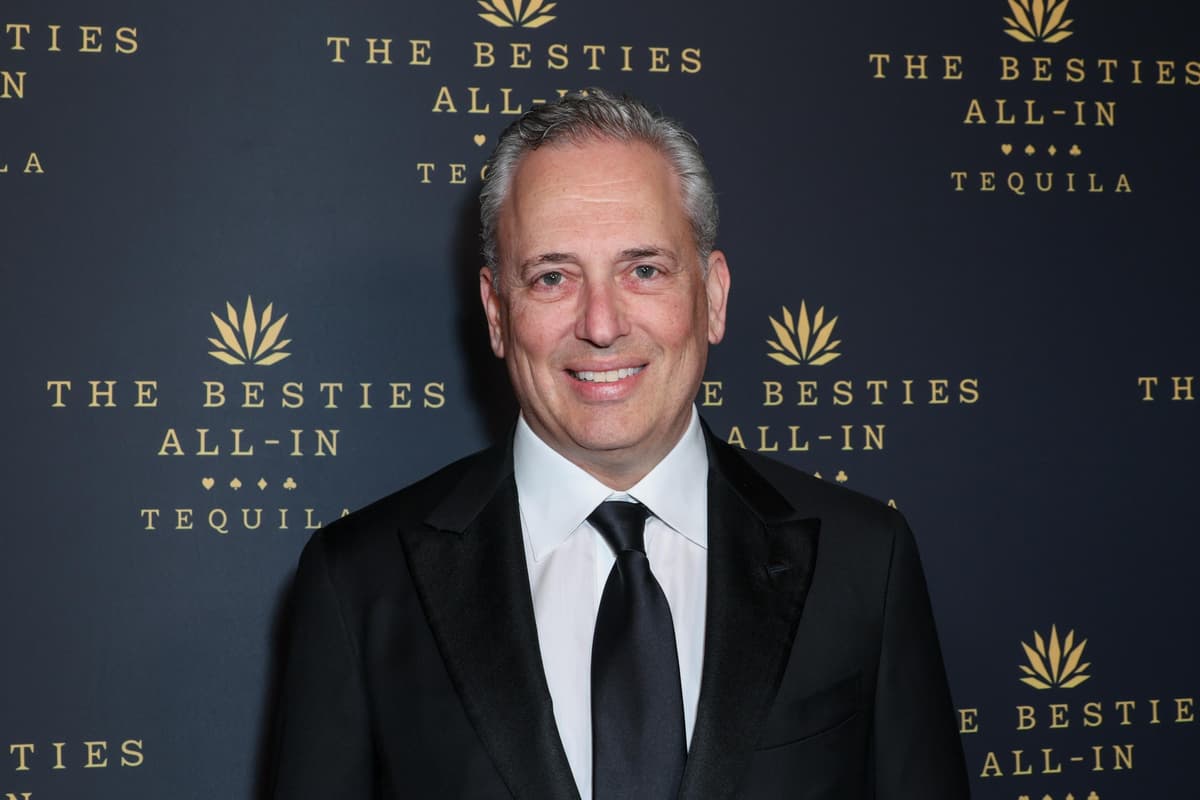
Venture capitalist David Sacks has emerged as the most influential voice shaping President Trump's approach to artificial intelligence policy, advocating for minimal government oversight and dismissing AI safety concerns that even leading company CEOs have raised.
A senior White House official told Politico this week that Sacks is the source of Trump's newly hardened stance against AI safety regulation. Trump now calls AI doomsday warnings a "hoax" and has rejected proposals for government oversight bodies, despite concerns from other administration officials about hacking risks and national security threats.
Sacks, a member of the "PayPal Mafia" who served as Trump's AI and crypto czar until March, continues to advise the president through a technology board role. His influence was on display in May when a phone call from Sacks temporarily halted the signing of an AI executive order, according to the Washington Post.
The open-weight versus closed-model divide
Sacks's position reflects a fundamental business model conflict in Silicon Valley. He champions "open-weight" AI models that make their parameters publicly available, aligning with companies like Meta and chip manufacturer Nvidia. This puts him at odds with OpenAI and Anthropic, which develop proprietary models and have called for regulatory guardrails.
"Keeping innovation decentralized and accessible is the key to avoiding an unsafe and dystopian future where advanced AI capabilities are centralized and controlled by only a few hands," Sacks posted on X earlier this month. He has accused companies like Anthropic of trying to "kneecap open source" through regulation.
The venture capitalist's preferred approach is to "let them cook," arguing that government intervention would stifle innovation. At a Politico event this week, he said existing civil and criminal liability law is sufficient to address safety risks without new restrictions.
National security implications
Sacks's influence extends to chip export policy. He successfully advocated for allowing Nvidia to sell advanced AI chips to Saudi Arabia, the UAE, and even resume some sales to China—over objections from national security hawks who warned this could erode America's technological lead.
The open-weight model debate also has a China dimension: Chinese companies like DeepSeek and Moonshot produce leading open-weight models that U.S. startups currently use. OpenAI and Anthropic argue these present national security risks, but the administration has not restricted them.
Why it matters
Sacks's role illustrates how Trump administration AI policy is being shaped less by formal agency processes than by personal relationships with the president. His libertarian, deregulatory approach has prevailed over concerns from Treasury Secretary Scott Bessent, Chief of Staff Susie Wiles, and others who favor establishing oversight mechanisms. The outcome will determine whether the U.S. pursues distributed AI development with minimal guardrails or implements safety frameworks that critics say would entrench the dominance of a few large companies. Either path carries distinct economic, security, and safety implications as AI capabilities rapidly advance.
Former Rep. Brad Carson, who heads AI safety advocacy group Americans for Responsible Innovation, told Vox that Sacks has prevented substantive conversation about guardrails, bringing "things to such a crisis point that the industry is in jeopardy."
These details were first reported by Vox.
This is an original analysis by the Omega editorial team. Source reporting: AI Watch.
Want systems like this working for your business?
Book a Call