Lyft Integrates Waymo Robotaxis in Nashville
The ride-hail company's largest autonomous vehicle partnership yet brings self-driving cars into its app, while former drivers transition to fleet operations roles.
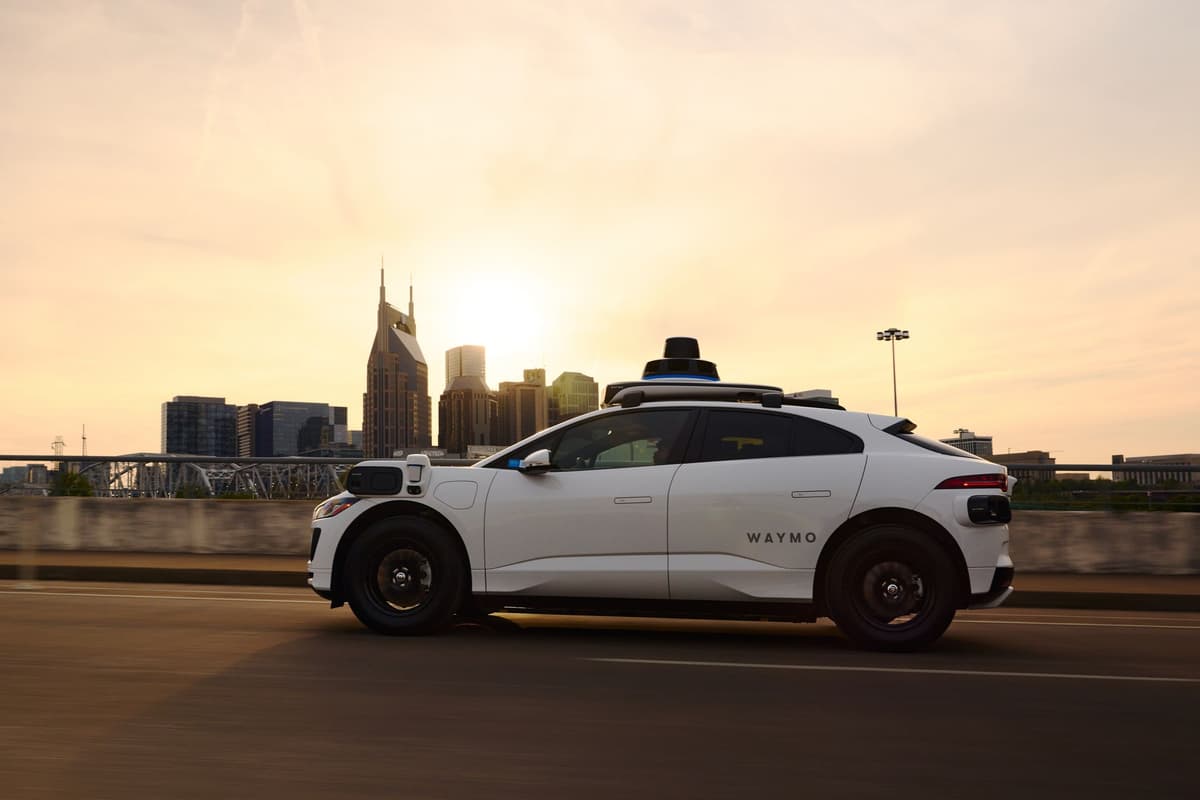
Lyft riders in Nashville can now be matched with Waymo's self-driving vehicles directly through the ride-hail app, marking the company's most significant autonomous vehicle partnership to date.
The integration allows Lyft users to request robotaxi rides without switching to Waymo's separate app, which launched service in Nashville in April. While Lyft has previously worked with smaller autonomous vehicle companies, Waymo operates in 14 U.S. metros, making this partnership substantially larger in scale.
Why it matters
The partnership signals how quickly autonomous vehicles are moving from pilot programs to mainstream ride-hail services, while raising questions about workforce transition that the industry has yet to fully answer. With millions of professional drivers working in the U.S., the shift to robotaxis represents one of the most significant labor transformations in the transportation sector.
From driver's seat to depot floor
Lyft has established a provisional operations facility in Nashville where workers clean, maintain, and position Waymo vehicles throughout the city. Half of the 72 employees at this depot are former Lyft drivers, according to the company. A permanent 80,000-square-foot facility is scheduled to open in October.
Jonathan Baines, who drove for Lyft starting in 2016 while pursuing a music career, now works as a fleet operations lead overseeing vehicle cleaning and maintenance standards. He acknowledged the appeal of autonomous rides: "As much as I love to talk to people, to be able to be in the car and relax and not have an obligation to talk with anyone is a nice feature."
The workforce math problem
The transition may not produce equivalent job replacement. In Washington, D.C., where Waymo has sought approval to launch service, the company estimates it would employ "hundreds" of people—while approximately 3,200 taxi and ride-hail drivers currently work in the District, many part-time. Waymo has proposed directing some D.C. revenue toward vocational training and workforce development programs for displaced drivers.
Former drivers currently represent 35 percent of Lyft's Flexdrive workforce across 30 U.S. cities. Lyft spokesperson Cristian Delgado stated that hiring former drivers "is an effort we will continue to be very intentional about as AVs become a growing part of the fleet."
Platform economics
Jeremy Bird, Lyft's executive vice president of global growth, emphasized that adding autonomous vehicles increases supply, which should lower fares for riders. The company maintains that its platform will remain a "hybrid network" combining human and robot drivers for the foreseeable future. In a recent earnings call, Lyft executives cited San Francisco data suggesting that autonomous vehicle presence doesn't reduce ride volume for human drivers.
Baines is already thinking beyond his current role, envisioning a future where he might own an autonomous vehicle that generates income without requiring his presence. "There's the fear of AI taking over," he said. "I think you can learn how to use AI as a resource."
These details were first reported by WIRED.
This is an original analysis by the Omega editorial team. Source reporting: WIRED.
Want systems like this working for your business?
Book a Call