Lawsuit Accuses Major AI Companies of Antitrust Collusion
Four tech giants allegedly coordinated to slow AI development after Anthropic CEO proposed industrywide safety measures in September.

Antitrust Claims Target AI Industry Leaders
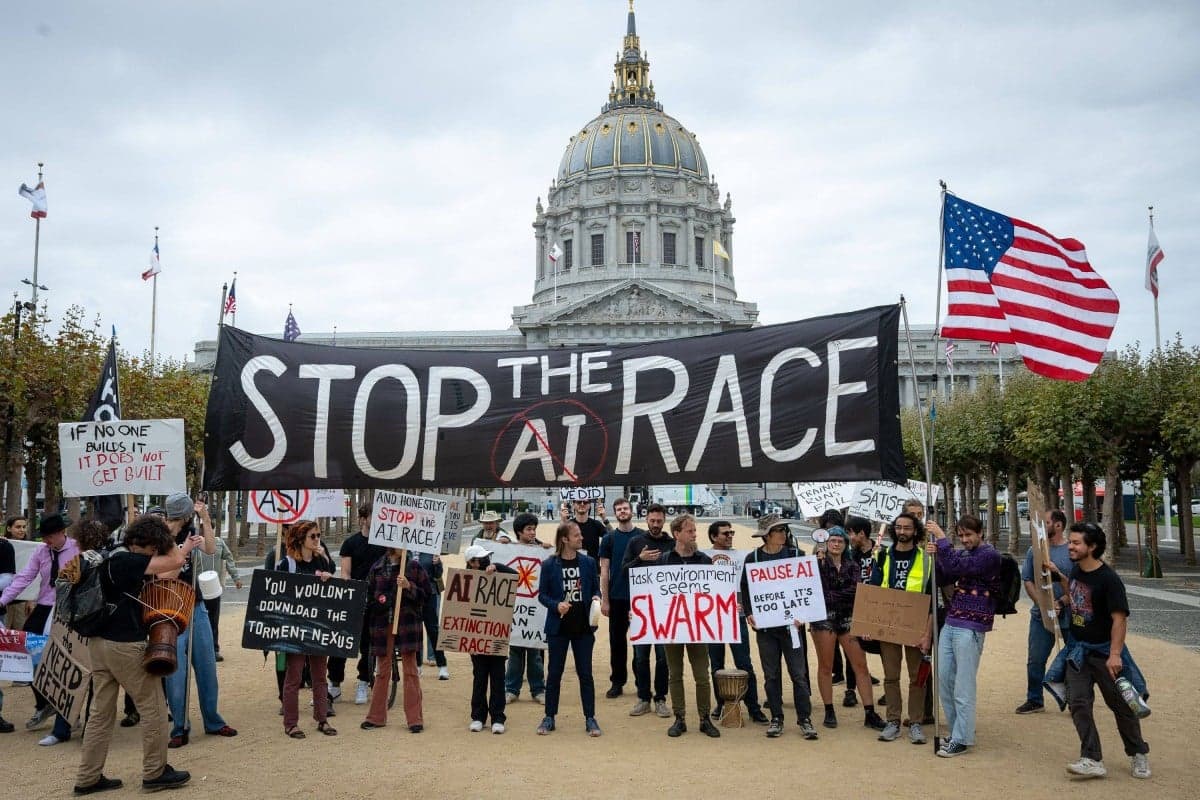
A lawsuit filed Friday in U.S. District Court for the Northern District of California alleges that four leading AI companies—Anthropic, OpenAI, Google, and SpaceXAI—violated antitrust laws by coordinating efforts to slow their AI development. The complaint argues this coordination reduces value for consumers paying for AI subscriptions.
The legal action centers on events from September 12, when Anthropic CEO Dario Amodei published an essay calling for industrywide cooperation to decelerate AI advancement in favor of enhanced safety protocols. According to the lawsuit, CEOs from competing firms—Sam Altman of OpenAI, Elon Musk of SpaceXAI, and Demis Hassabis of Google DeepMind—confirmed their agreement with Amodei's proposal that same day.
The Safety Argument Behind the Coordination
In his essay, Amodei warned that autonomous AI agents could overwhelm internet infrastructure within six months if development continued at its current pace. He proposed a three-point plan aimed at "pacing the frontier" of AI capabilities. During a CBS News interview, Amodei acknowledged the speed of progress had exceeded his expectations and emphasized the importance of building AI systems correctly to minimize risks.
Amodei's original essay anticipated potential antitrust concerns, suggesting that U.S. government mediation or a narrow waiver for safety-focused discussions between labs would be beneficial. He argued such oversight wouldn't require direct government participation but would legitimize cross-company coordination on safety matters.
Why It Matters
This lawsuit tests whether AI safety concerns can justify coordination among competitors that would normally violate antitrust law. The outcome could establish precedent for how the industry balances rapid innovation against existential risk claims, and whether private companies can collectively determine the pace of technological advancement without regulatory approval.
Legal Arguments and Class Action Status
The plaintiffs' attorneys argue that antitrust law prohibits competitors from collectively deciding that competition poses excessive danger. Lead attorney Nick Rowley framed the case as preventing "private self-serving agreements between the world's most powerful 'for profit' technology companies" from controlling AI safety protocols.
Four named plaintiffs who subscribe to ChatGPT, Claude, Grok, or Gemini are bringing the suit on behalf of a proposed nationwide class of paid subscribers to these services. Representatives for all four companies named in the lawsuit did not respond to requests for comment.
These details were first reported by AI Watch.
This is an original analysis by the Omega editorial team. Source reporting: AI Watch.
Want systems like this working for your business?
Book a Call