Japan Turns to AI and Drones as Military Faces Recruitment Crisis
With defense forces projected to shrink up to 15% this decade, Tokyo is betting on autonomous systems to compensate for demographic decline.
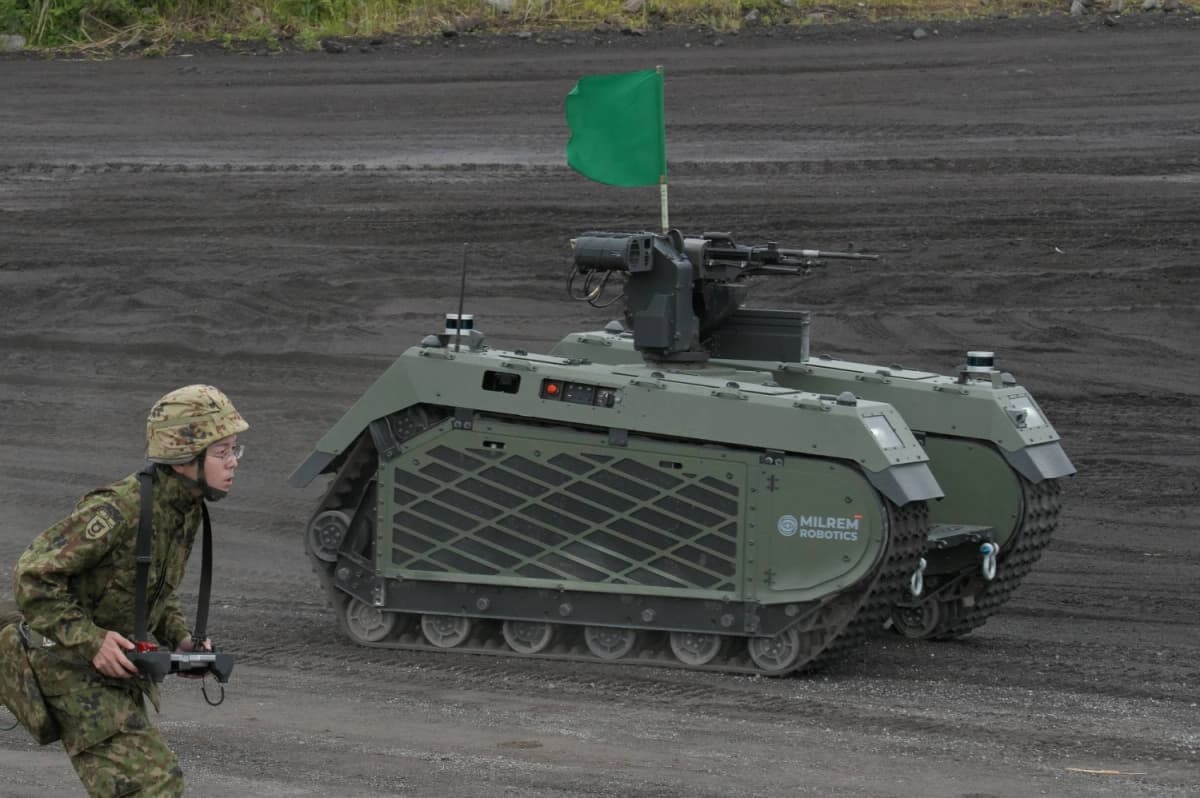
Japan's military modernization faces an obstacle no amount of defense spending can easily solve: a shrinking pool of citizens to serve in uniform.
The Self-Defense Forces confronts a demographic reality that could reduce its ranks by 10% to 15% over the next decade, according to analyst estimates first reported by The Japan Times. This manpower crunch comes as Tokyo increases defense spending to nearly 2% of GDP and confronts security pressures from China, North Korea, and deepening military ties between Russia and Pyongyang.
Defense Minister Shinjiro Koizumi announced that the SDF recruited over 11,000 personnel in fiscal 2025, a 14.9% increase from the prior year. Officer candidate recruitment jumped roughly 35%. But experts warn that one year of improved recruitment cannot offset long-term demographic decline, particularly as private sector employers compete for the same shrinking candidate pool.
Why it matters
Japan's personnel shortage illustrates a challenge facing multiple advanced economies: maintaining military capability as working-age populations contract. The country's response — heavy investment in autonomous systems — offers a test case for whether technology can truly substitute for human operators, or simply creates new dependencies on networks, maintenance infrastructure, and supply chains that themselves require skilled personnel.
Autonomous systems as force multipliers
Tokyo is channeling resources into artificial intelligence and uncrewed platforms across air, surface, and underwater domains. Systems like the MQ-9B SeaGuardian surveillance drone and the SHIELD coastal defense network are expected to anchor future force structure.
Hirohito Ogi, a defense strategy expert at the International House of Japan, told The Japan Times that the primary driver behind acquiring uncrewed systems is troop survivability rather than simple manpower savings. In a potential conflict along the first island chain — the arc of islands stretching from Japan to Borneo — autonomous platforms can absorb risks that would otherwise fall on highly trained personnel who are difficult to replace.
Defense planners envision scenarios where long-endurance drones monitor vast ocean expanses during a Taiwan contingency or crisis in Japan's southwestern islands, while uncrewed surface and underwater vessels track submarines and secure sea lanes. The goal is enabling a smaller force to generate greater combat power.
The automation tradeoff
Yet the shift raises strategic questions about whether automation resolves vulnerabilities or merely relocates them. Autonomous systems depend on robust communications networks, sophisticated maintenance capabilities, and resilient supply chains — all of which require their own skilled workforce. As Japan integrates more uncrewed platforms, the military's dependency on technical specialists, cyber defense personnel, and logistics experts may grow even as frontline troop requirements decline.
The Japan Times first reported these details on Japan's military recruitment challenges and automation strategy.
This is an original analysis by the Omega editorial team. Source reporting: Automation Watch.
Want systems like this working for your business?
Book a Call