Japan Launches Contest to Build AI Baggage Loading Algorithms
Ministry seeks mathematical optimization and machine learning experts to automate airport operations that currently depend on skilled human workers.
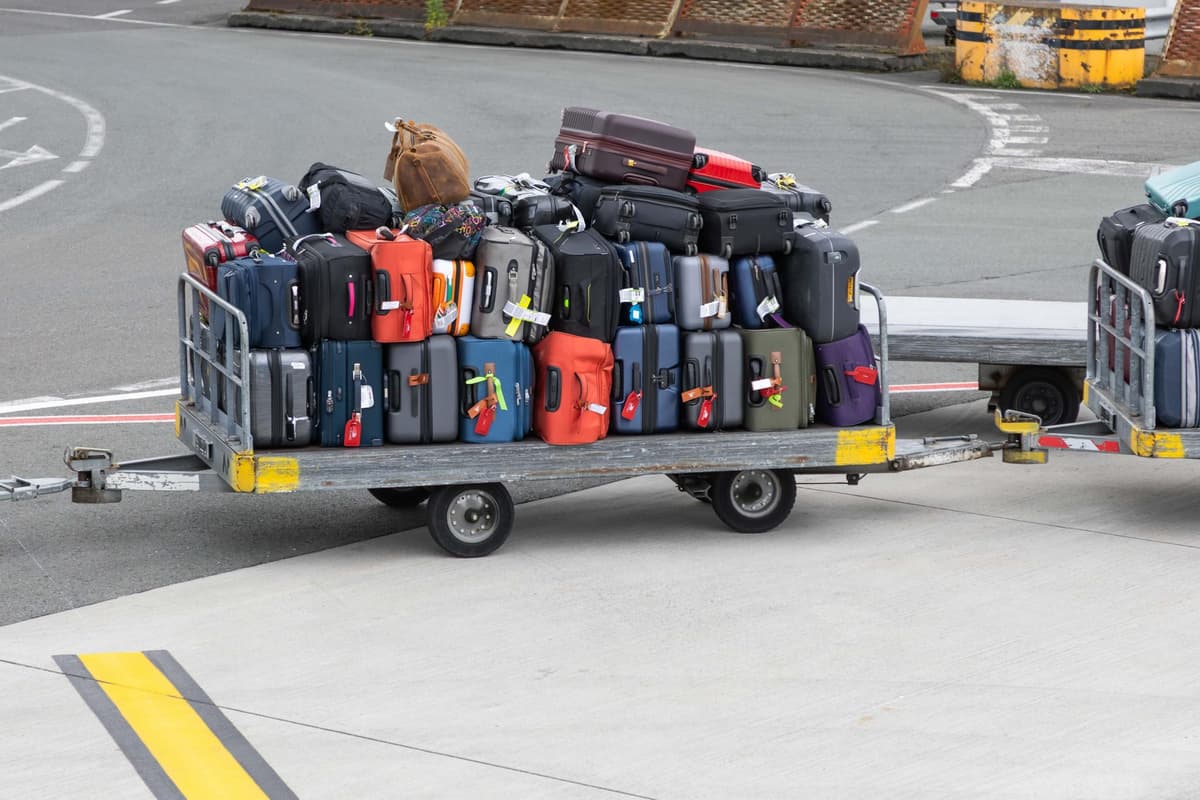
Japan targets airport automation with algorithm challenge
Japan's New Energy and Industrial Technology Development Organization (NEDO) and the Ministry of Land, Infrastructure, Transport and Tourism have opened a competition to develop intelligent algorithms capable of directing automated baggage loading systems at airports.
The contest, which runs from July 7 through October 19, 2025, seeks proposals from experts in mathematical optimization, metaheuristics, reinforcement learning, and physical simulation. Students and professionals working in AI and data science are also invited to participate.
According to NEDO, the core technical challenge stems from the variability of luggage itself. Each piece differs in shape, weight, and material composition, making it difficult to calculate optimal loading sequences that prevent cargo from shifting during transport. Without algorithmic solutions to this problem, loading operations have remained dependent on the judgment and experience of skilled workers, creating a significant barrier to automation.
Why it matters
Airport ground operations face mounting pressure from labor shortages and rising passenger volumes. Automating baggage handling requires more than mechanical systems—it demands intelligent decision-making software that can match human expertise in real-time cargo arrangement. Success in this domain could accelerate broader automation efforts across aviation logistics while addressing workforce constraints that affect operational efficiency and costs.
Part of broader automation initiative
The algorithm contest represents one component of a multi-phase effort to modernize baggage handling. NEDO has already launched separate competitions focused on baggage identification technology and the development of physical loading robots.
The organization plans to announce the algorithm contest winner in early 2027, alongside results from the baggage identification challenge. The loading robot competition will conclude later, with winners expected in early 2028. An online information session for prospective participants is scheduled for July 14.
By structuring the initiative as a series of contests targeting specific technical challenges, Japanese authorities aim to draw expertise from diverse fields and accelerate development timelines for integrated automation systems.
These details were first reported by Passenger Terminal Today.
This is an original analysis by the Omega editorial team. Source reporting: Automation Watch.
Want systems like this working for your business?
Book a Call
