Israeli AI Cuts Building Data Retrieval for Rescuers to 30 Seconds
Technion and University of Haifa researchers built a system that mines public architectural records to help first responders navigate collapsed structures during missile strikes.
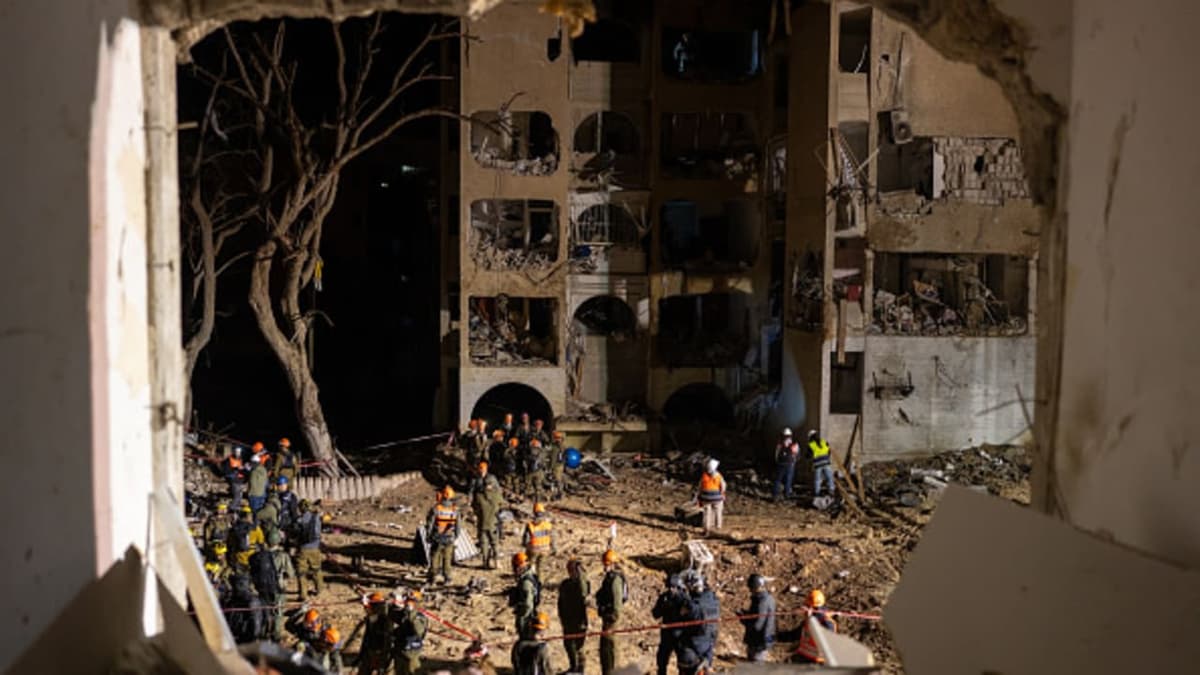
Researchers accelerate rescue response with AI-powered building intelligence
A collaborative project between the Technion–Israel Institute of Technology and the University of Haifa has produced an artificial intelligence system that delivers structural building information to first responders in under 30 seconds—a dramatic improvement over the 30-minute manual process previously required during emergency operations.
The web-based platform mines public architectural records, building permits, and master plans to provide rescue teams with floor layouts, shelter locations, and critical structural details when buildings collapse. The system was developed by Prof. Yael Allweil, Dr. Yiftach Ashkenazi, and architect Tal Sadeh from the Technion's Housing Lab, working with Prof. Moshe Lavee and Liat Bonen from the University of Haifa's Elijah Lab.
According to The Jerusalem Post, which first reported the details, the project gained urgency after Iranian missile strikes exposed serious gaps in how rescue units accessed building data at strike sites.
From academic research to operational necessity
Allweil, a professor of architecture at the Technion, told the Post her team had spent years analyzing building permits and urban datasets as historians. The shift to wartime application came unexpectedly when colleagues abroad sought guidance on locating survivors in damaged buildings during Operation Roaring Lion.
"It was a surprise for us, as historians, to be relevant right now," Allweil said.
The existing process required emergency teams to retrieve printed building permits from municipal archives and courier them to strike sites—a delay that could cost lives when survivors remain trapped. "The first responders needed those printouts before they could even go in, and that took around 30 minutes," Allweil explained. "Why not know within 30 seconds and be able to assess the situation quicker, especially if there's more than one site?"
The Tax Authority recorded 39,715 claims for homes struck by Iranian missiles during Operation Rising Lion in June 2025 alone. Thousands more missiles were fired during Operation Roaring Lion in March 2026.
How the system works
The platform operates as a web application accessible via link, built entirely from public data sources. Rescue teams can view building maps, identify apartments with shelters, and examine structural plans with key details needed for safe entry. The system supports multiple languages and was designed for disaster response globally, not just Israeli operations.
Allweil noted that information fragmentation between the IDF's Home Front Command and municipal authorities had created a "chaotic" system. The new AI tools the team developed can interrogate complex building datasets and surface relevant information rapidly.
Why it matters
The 30-second retrieval time represents more than technical efficiency—it directly impacts survival rates in collapsed structures where minutes determine outcomes. As urban warfare and missile strikes increasingly target civilian infrastructure, the ability to quickly understand building layouts gives rescue teams a critical advantage. The platform's reliance on public data also means it can scale to other cities and countries facing similar challenges without requiring proprietary information.
Testing and expansion
The system is currently being tested with Nahariya Municipality, where the city engineer is verifying the platform's accuracy. Allweil told the Post that buildings in Nahariya "are hit constantly," making it an ideal testing ground. Despite a current ceasefire with Iran, researchers aim to refine the system and expand deployment to additional cities.
"Saving lives makes me super motivated," Allweil said.
The Jerusalem Post first reported these details.
This is an original analysis by the Omega editorial team. Source reporting: AI Watch.
Want systems like this working for your business?
Book a Call