Island Supply Chains Drive Real-World Robotics Adoption
Limited fallback options and high stakes make island routes the proving ground for maritime automation technology.
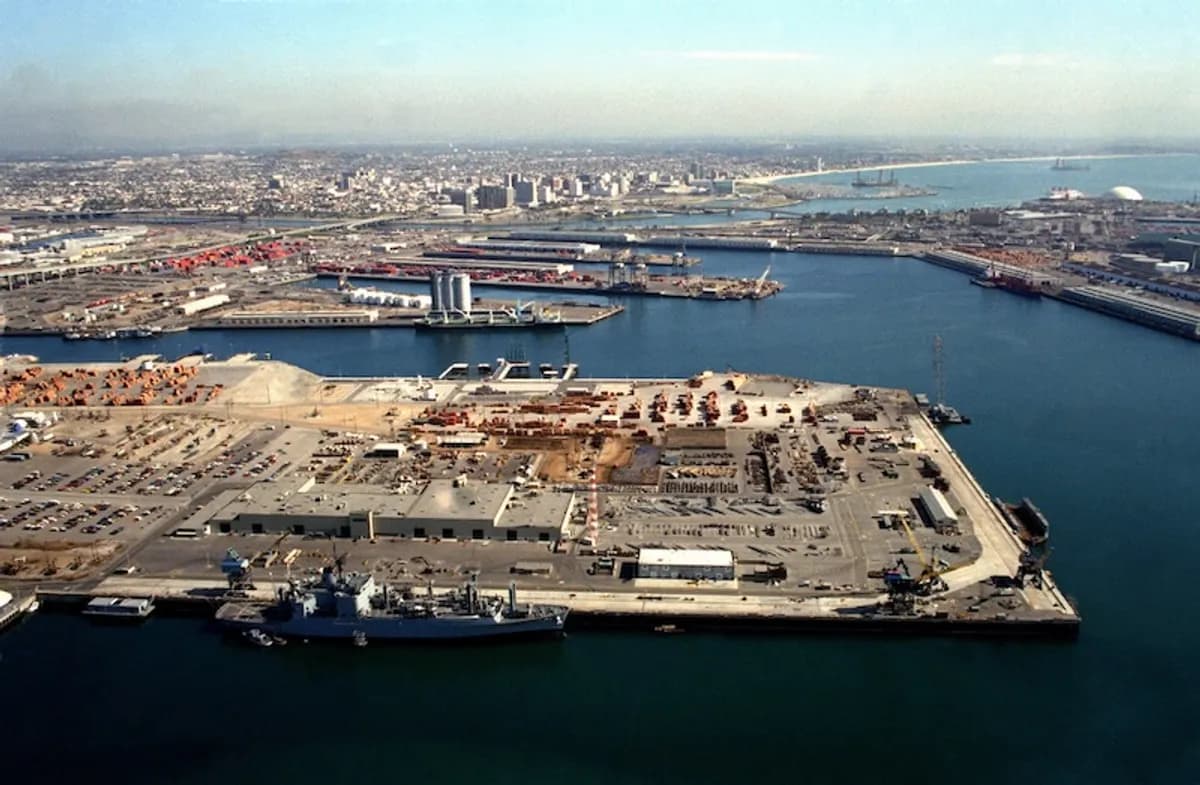
Island Supply Chains Drive Real-World Robotics Adoption
Most maritime automation coverage focuses on Rotterdam or Singapore. But the technology's real proving ground sits elsewhere: tight island supply chains where a single missed shipment can empty grocery shelves or halt construction for days.
Island-bound cargo faces a structural disadvantage. Every supply chain node is separated by water, eliminating the fallback truck routes mainland shippers take for granted. In this environment, automation delivers something more valuable than speed—it delivers predictability.
Why it matters
Island routes reveal whether logistics technology actually works under pressure. When there's no alternative supplier next door and vessels sail weekly instead of daily, automation shifts from operational nice-to-have to business necessity. The lessons learned here will shape how the broader maritime industry deploys robotics and AI.
The Three-Layer Automation Gap
Island supply chains face what can be called the Island Automation Gap—the distance between available technology and what operators have actually deployed. This gap operates on three levels.
First, port-side throughput. Automated cranes and guided vehicles at origin terminals directly affect container dwell times, which ripple into vessel departure schedules. When a container misses a weekly sailing to the Bahamas or St. Lucia, the island customer waits seven more days, not the one or two a mainland customer would absorb.
Second, in-transit visibility. Real-time IoT tracking across a container's full journey—from consolidation warehouse through truck, port, vessel, and destination pier—has become baseline. Shippers using Caribbean services with integrated digital platforms can now trace cargo as accurately as a domestic parcel.
Third, cold-chain integrity. Produce, pharmaceuticals, and refrigerated goods represent significant island import volume. Between 7% and 15% of all foods spoil during transit globally, according to Telenor IoT. On island routes, that spoilage doesn't just hurt margins—it directly affects what reaches store shelves.
Technology in Operation Today
Automated guided vehicles and cranes at South Florida ports mean vessels depart on time, and Nassau or St. Lucia deliveries hit their windows. Miss that window, and knock-on effects multiply fast.
Below the waterline, autonomous underwater vehicles now perform hull inspections traditionally done by divers or during costly dry-dock cycles. For regional carriers running tight island schedules, cutting inspection frequency directly impacts vessel availability and freight pricing.
A 2024 U.S. Government Accountability Office report confirmed all 10 largest U.S. container ports have adopted some automation technology, creating a data trail that connects mainland legs to final ocean segments.
A Nassau Produce Run
Consider a Florida produce shipper routing tomatoes and peppers to Nassau. The cargo gets consolidated, tagged with an IoT temperature sensor, and moved through an automated port gate. An AGV slots the reefer container into the terminal stack.
During crossing, the sensor logs temperature every 15 minutes. A brief spike triggers an alert when the reefer unit cycles off for 40 minutes. The carrier's operations team sees the alert in real time, confirms self-recovery, and documents the event. When cargo lands in Nassau, the produce is in spec with a complete digital temperature record. No dispute, no rejected load.
That scenario would have been logistics fiction in 2010. Today it's standard for carriers who've invested in sensor and tracking infrastructure.
What Shippers Should Demand
Before committing freight to a regional route, shippers should verify: digital tracking with container-level visibility at every transfer point; continuous reefer monitoring with exception alerts; electronic documentation and customs filing integration; published sailing schedules with vessel tracking; and clear less-than-container-load consolidation procedures.
The automation gap between major hubs and regional island routes will keep narrowing, but capital allocation and regulatory frameworks remain limiting factors. What's already clear: shippers who treat carrier technology as a deciding factor avoid the seven-day wait when shipments miss vessels.
These details were first reported by Robotics and Automation News. For cargo moving across open water to island destinations, automation doesn't eliminate risk—it makes risk visible and manageable, which is the next best thing.
This is an original analysis by the Omega editorial team. Source reporting: Automation Watch.
Want systems like this working for your business?
Book a Call