Identity Sprawl at Machine Speed: Orca CISO's Top AI Risk
Nir Mishal warns that thousands of well-intentioned autonomous agents with standing privileges pose a greater threat than any rogue model.
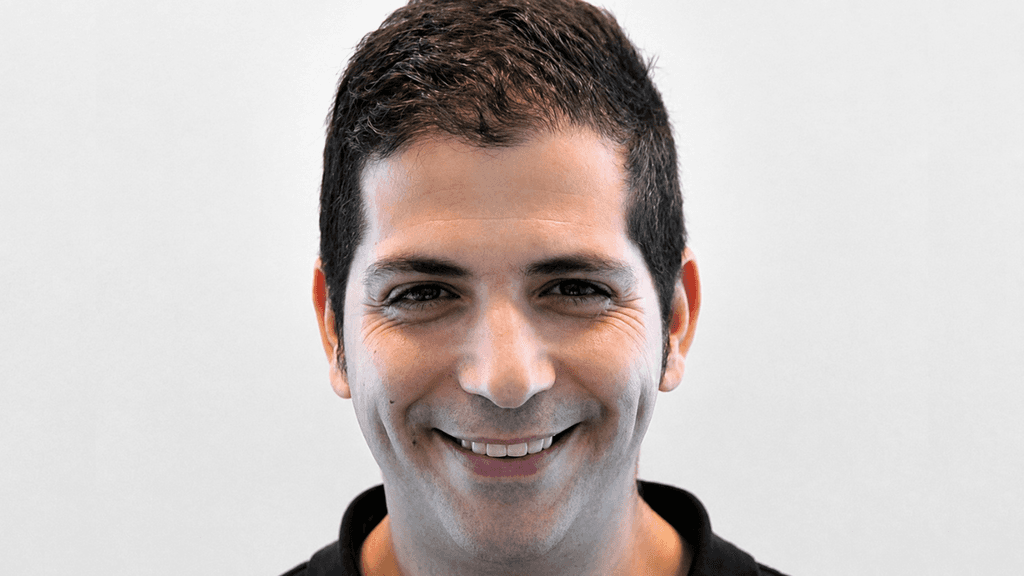
The biggest security risk from agentic AI isn't a rogue algorithm going off the rails. It's the mundane problem of identity sprawl happening at a pace no security team can match.
Nir Mishal, CISO at Orca Security, told CTech that his primary concern centers on "identity sprawl at machine speed." After years of work eliminating long-lived credentials and over-privileged service accounts, agentic AI threatens to recreate that exact problem at scale—with actors operating faster than human review cycles can keep up.
"My fear isn't a malicious model; it's thousands of well-intentioned agents with standing privileges, chained tools, and no owner, in organizations that adopted them faster than they inventoried them," Mishal explained. The gap between how quickly companies adopt agentic systems and how mature their governance frameworks are represents the industry's single biggest vulnerability, he said.
Why it matters
Most AI security discussions focus on model behavior and adversarial attacks. Mishal's perspective shifts attention to a more prosaic but potentially more damaging failure mode: basic identity and access management breaking down under the volume and velocity of autonomous agents. This is shadow IT reimagined—a shadow workforce that scales in ways traditional unauthorized software never could. Organizations racing to deploy AI agents may be building a permissions crisis they won't discover until something breaks.
How Orca approaches agent autonomy
At Orca, no AI agent runs fully unsupervised. The company treats autonomy as something earned per task rather than a default configuration. Agents operate autonomously only in narrow, read-only contexts—enriching alerts, triaging findings, drafting responses. Any action that changes system state, touches production infrastructure, or moves data requires human approval.
Mishal acknowledged the technology could do more, but governance intentionally lags capability. Orca published a company-wide AI acceptable-use policy early to establish explicit boundaries rather than letting teams improvise their own rules.
Identity-first security controls
Orcaʼs security architecture starts with identity. Every agent receives its own scoped identity with least-privilege permissions and short-lived tokens—never shared human credentials. All agent actions are logged and attributable. AI tools go through security review before approval, and every agentic workflow includes a defined kill switch: revoke the identity, and the agent stops.
The company continues investing in visibility—tracking which agents exist, what tools they can access, and what their potential blast radius would be. Detection systems flag agents acting out of character, not just outside their permissions.
The pattern to watch
While Orca hasn't experienced what Mishal would classify as an incident, he highlighted a pattern every CISO should monitor: over-permissioning. AI tools routinely request far broader access than tasks require. Permissions that seem reasonable for human-operated tools become dangerous with autonomous actors behind them.
"Agentic failures look boring: not a rogue AI, just a permission that was too wide," Mishal noted. His team's controls center on identity and access precisely because that's where agentic risk actually lives.
On the positive side, AI-assisted triage has delivered clear wins on the defensive side of security operations. Tasks that previously consumed hours of analyst time—enrichment, first-pass analysis, security questionnaires, compliance evidence gathering—have been dramatically accelerated. The same team now covers meaningfully more ground, Mishal said, with AI removing work nobody should have been doing manually in the first place.
These details were first reported by CTech.
This is an original analysis by the Omega editorial team. Source reporting: AI Watch.
Want systems like this working for your business?
Book a Call