Hyatt's AI Sales Tools Save Employees One Full Day Per Week
The hotel chain is using AI to process 1.5 million RFPs annually while growing its market share in group bookings.
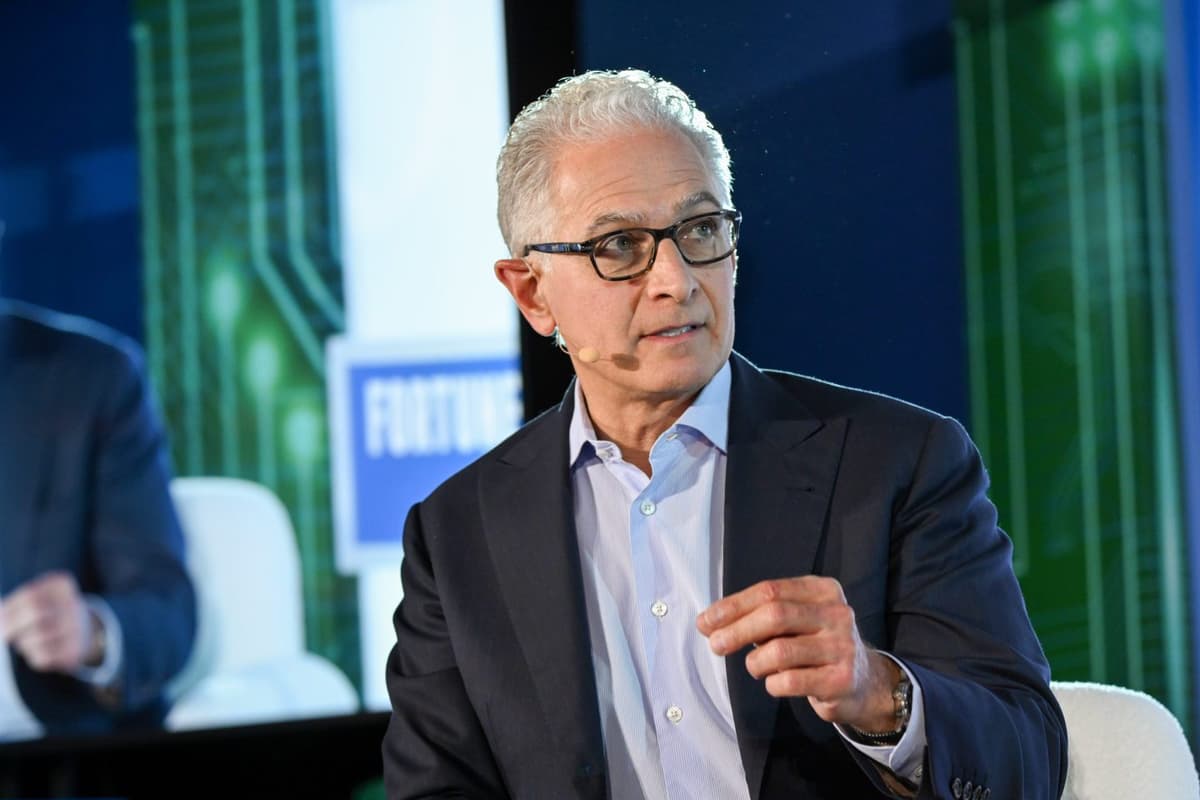
Hyatt Hotels has deployed AI-powered sales tools that are saving employees approximately one full workday each week while simultaneously increasing the company's market share in group bookings, according to CEO Mark Hoplamazian.
Speaking at Fortune's Brainstorm Tech conference, Hoplamazian detailed how the hospitality company is using artificial intelligence to handle the massive volume of requests for proposals it receives from corporate customers—more than 1.5 million annually. The technology allows Hyatt's sales team to respond more efficiently to these inquiries while freeing up time to optimize other revenue streams for individual properties.
From pilots to production
Hoplamazian's comments, made during a session with Snowflake CEO Sridhar Ramaswamy, illustrate how enterprises are moving beyond experimental AI projects toward operational deployments with measurable productivity gains. The conversation focused on real-world applications across productivity enhancement, customer service, and data analysis.
Beyond sales automation, Hyatt has introduced a conversational search interface that enables travelers to describe their trips using natural language. The company is also leveraging AI to extract operational insights by combining internal hotel performance data with external customer feedback from multiple sources.
Why it matters
Hyatt's experience demonstrates that AI's business value isn't theoretical—it's delivering concrete time savings and revenue growth in a labor-intensive industry. The one-day-per-week productivity gain per salesperson represents a significant operational efficiency that directly impacts the bottom line. More importantly, the CEO's emphasis on "absorption" over adoption signals a critical shift: successful AI implementation depends on whether employees actually integrate the technology into their workflows and produce better outcomes, not just whether the tools are deployed.
Connecting fragmented data
Through its partnership with Snowflake, Hyatt is analyzing diverse information sources including hotel operating metrics, customer data, reviews from TripAdvisor and Yelp, blog feedback, and local market conditions. This analysis generates actionable recommendations for hotel teams designed to identify operational friction points and help employees prioritize high-impact tasks.
Ramaswamy argued that AI is fundamentally changing how companies approach data integration. Models can now connect information across different systems without the lengthy integration projects that previously took years, he said. Tasks that once required extensive manual data stitching can now be completed in months because AI provides what he called "built-in glue" for connecting disparate data sources.
This capability allows AI to move beyond the limitations of traditional business software, Ramaswamy noted. While systems like CRM and HR platforms excel at capturing individual transactions, they struggle to identify broader organizational patterns. AI agents can now surface insights from multiple systems and help employees act on them directly.
Measuring real results
Hoplamazian emphasized that technology adoption alone isn't the right metric for success. Instead, he's focused on whether employees genuinely incorporate AI into their work and deliver measurable improvements.
"I'm looking for actual results at the end of the day," he said. "So I'm looking for people who are really taking it in and understanding it."
The details were first reported by Fortune from the company's 25th Brainstorm Tech conference.
This is an original analysis by the Omega editorial team. Source reporting: AI Watch.
Want systems like this working for your business?
Book a Call
