Hasbro Contracts Ask Child Voice Actors to Surrender AI Rights
U.K. agents say Peppa Pig owner requires minors to grant indefinite voice cloning permissions, sparking industry backlash.
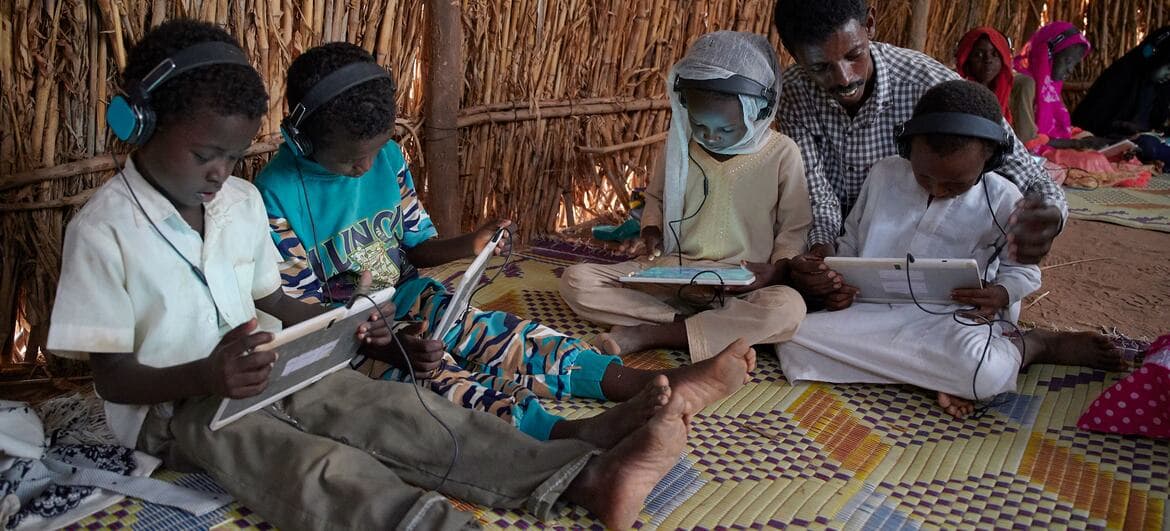
A major entertainment company is requiring child voice actors to sign away their rights to AI voice cloning as a condition of employment, according to agents who represent young performers in the United Kingdom.
The Agents of Young Performers Association published an open letter Monday alleging that contracts for an animated children's television series demand child actors "agree to the use of AI thus allowing them to use the child's voice in all commercial assets within their franchise." When representatives requested removal of the AI clause, the studio adopted a "take it or leave it" stance, the letter states.
Deadline identified the series as Peppa Pig, which airs on Nick Jr. in the United States. Hasbro, which owns the Peppa Pig brand, did not deny the identification in its response. "We are not able to comment on specific negotiations or contractual arrangements," the company said in a statement, adding that "the protection of child performers is core to who Hasbro is."
Why it matters
The dispute highlights a legal gray area as generative AI collides with child labor protections. Unlike adult performers who can negotiate AI provisions through unions like SAG-AFTRA, child actors often lack institutional representation—in the U.K., performers cannot join Equity until age 10. Parents signing these contracts may not fully understand the long-term implications of granting indefinite voice cloning rights that could affect their children's professional options for decades.
The agents' position
The AYPA argues that any contract for a child performer should categorically exclude AI use. "Children cannot provide fully informed legal consent and a parent or guardian's approval should never be used as a blanket licence to capture, clone, train, or reuse a child's voice indefinitely," the letter states.
The organization contends that AI voice replication could shape a child's professional future before they reach legal adulthood or comprehend the potential consequences. More than 1,000 representatives and actors have signed the letter, which calls on the industry to "reject all contracts that require child performers to surrender voice rights indefinitely and without limits."
Broader industry pattern
The AYPA board told The Hollywood Reporter the issue extends beyond a single production. "Our letter addresses the universal issue of companies supporting the use of AI in contracts for minors," the board said. The group reports that parents of child actors across the U.K. are increasingly encountering generative AI language in performance contracts.
Hasbro stated that "as industry standards around AI continue to evolve, we are committed to engaging with this issue in a responsible and transparent manner," but did not indicate whether it would modify its contract language.
The Hollywood Reporter first reported these details.
This is an original analysis by the Omega editorial team. Source reporting: AI Watch.
Want systems like this working for your business?
Book a Call