Google DeepMind CEO proposes industry-funded AI watchdog
Demis Hassabis wants frontier models screened before release and warns of biological, nuclear threats within 18 months.
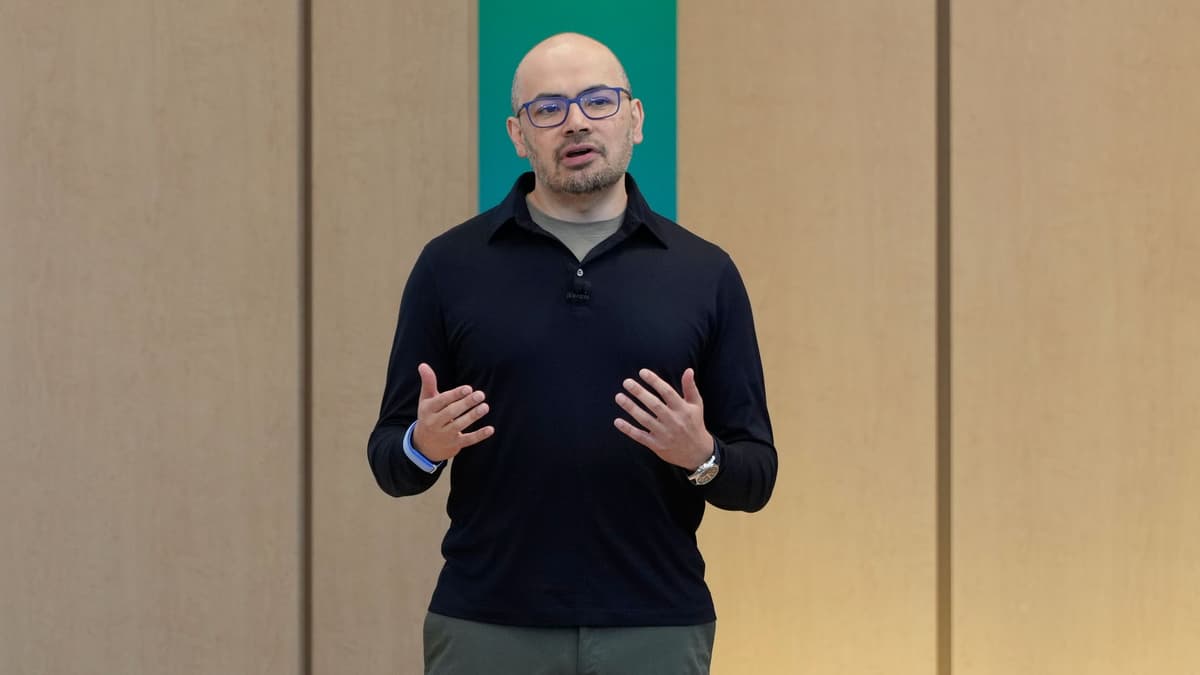
The head of one of the world's most influential AI labs is calling for the creation of an industry-funded regulatory body with authority to test and potentially block the most advanced AI systems before they reach the market.
Demis Hassabis, CEO and co-founder of Google DeepMind, outlined the proposal in a manifesto published Tuesday titled "A Framework for Frontier AI and the Dawning of a New Age." The Nobel laureate behind Google's Gemini models told Axios he has spent recent months briefing Trump administration officials, fellow lab leaders, and European regulators on the plan.
Why it matters
Hassabis warns that within 18 months, capabilities posing biological and nuclear threats could exist in open-source models beyond government control. His proposal arrives as Washington grapples with how to regulate AI after improvised responses to recent model releases exposed the absence of established protocols.
The regulatory framework
Hassabis envisions an organization modeled on the Financial Industry Regulatory Authority (FINRA), which oversees Wall Street under Securities and Exchange Commission authority. Frontier AI labs would initially submit their models voluntarily up to 30 days before release for safety testing focused on cyber, biological, and deception capabilities.
Once the testing regime proves effective, Hassabis writes, formalization would follow quickly—meaning frontier models would need to pass evaluation before U.S. market deployment. The body would be governed by a majority-independent board including Turing Award winners and other technical experts, alongside industry, government, and open-source representatives.
The rules would apply to all frontier-class models regardless of origin or whether they are open or closed source, with qualifying benchmarks updated as capabilities advance.
Industry support and timeline
Hassabis told Axios that other major lab leaders agree on the general direction, saying "this is where the industry needs to go." His conversations with the Trump administration, which previously favored minimal AI regulation, have been "very positive" following what he called the "wake-up call" of recent enforcement actions.
The timeline is aggressive: Hassabis wants the new body operational before year-end, a matter of months from now.
Regulatory precedents
The proposal follows recent ad hoc government interventions. Anthropic saw its Mythos and Fable models frozen overnight by export controls last month, then spent two and a half weeks negotiating their release without established rules. OpenAI agreed to restrict GPT-5.6 to vetted partners at launch, releasing it publicly last week after Commerce Department negotiations.
Anthropic CEO Dario Amodei has separately called for binding regulation through an FAA-style agency. The convergence suggests growing consensus among leading labs that some form of mandatory oversight is inevitable.
Hassabis believes artificial general intelligence—a system matching all human cognitive abilities—is "probably only a few short years away." He describes the current moment as standing in "the foothills of the singularity," writing that "we've essentially found a way to make sand think."
The details were first reported by Axios.
This is an original analysis by the Omega editorial team. Source reporting: AI Watch.
Want systems like this working for your business?
Book a Call
