Australia Creates National AI Office to Fast-Track Data Centers
Prime Minister Anthony Albanese announces unified framework covering economic, security, and environmental aspects of artificial intelligence development.
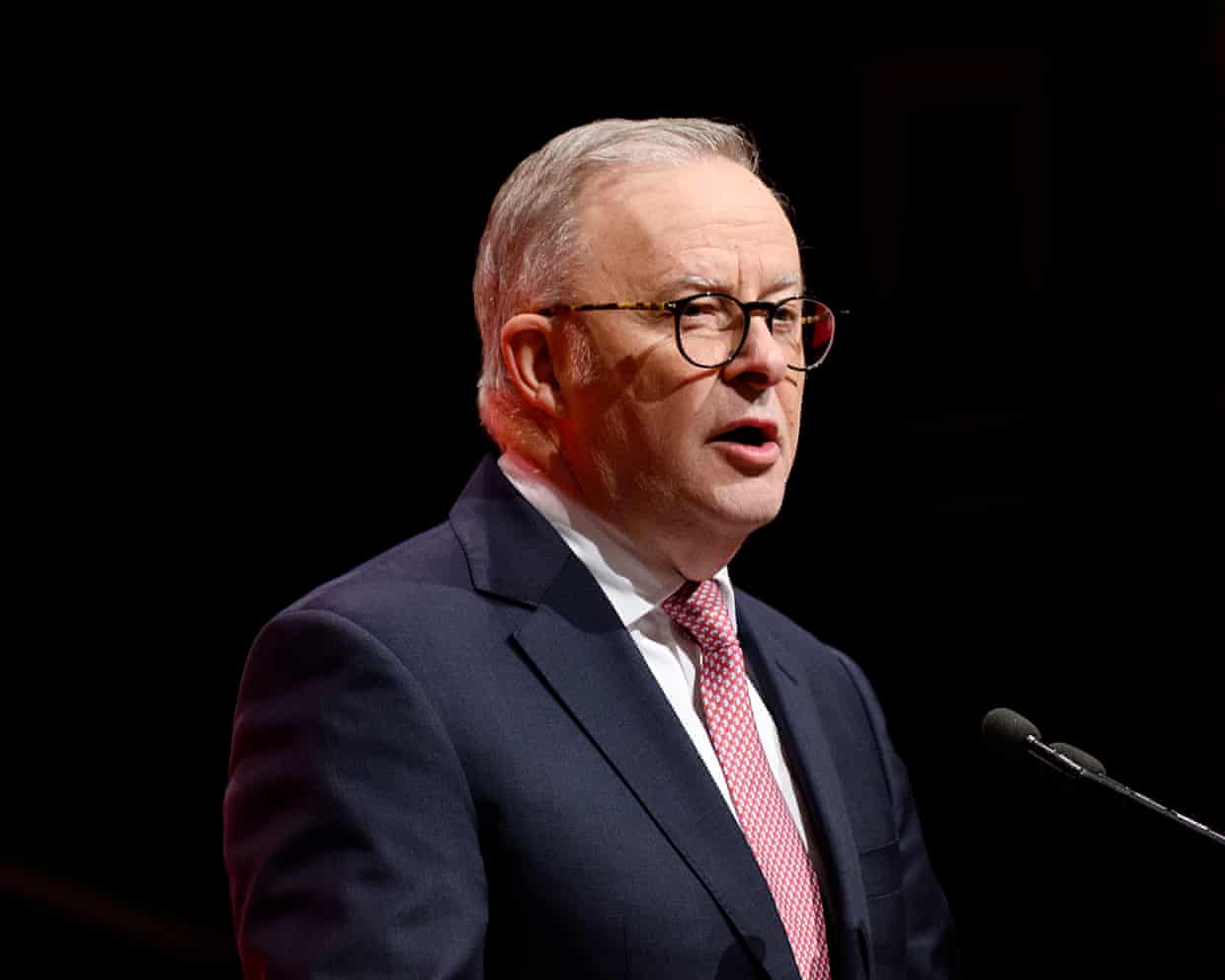
Australia Consolidates AI Governance Under Single Authority
Australia is establishing a dedicated Office of AI within the Prime Minister's department, positioning itself as the first nation to coordinate economic, social, national security, and environmental aspects of artificial intelligence under a unified framework.
Prime Minister Anthony Albanese announced the initiative in a Wednesday speech, emphasizing that the government will introduce expedited approval processes for AI infrastructure projects, including data centers. The move aims to attract international investment while maintaining public confidence in AI development.
"Getting this right will enhance our appeal to international investors, by delivering greater clarity and speed for approvals, and a streamlined process for verifying compliance," Albanese stated, according to excerpts provided to Guardian Australia.
Addressing Multiple Stakeholder Concerns
The new office will operate immediately within the Department of the Prime Minister and Cabinet, working alongside Industry and Innovation Minister Tim Ayres and Assistant Science and Technology Minister Andrew Charlton. Its mandate includes designing Australian AI standards and coordinating cross-government initiatives.
The announcement comes as Australia grapples with competing pressures: AI companies seeking regulatory clarity for investments, concerns about massive energy demands from data center infrastructure, and protection for intellectual property rights of Australian creative professionals and journalists.
Notably, the speech excerpts did not address copyright law specifics, despite intense lobbying from AI companies seeking exemptions to train large language models on Australian content. Ayres confirmed Tuesday that the government will not introduce a text and data mining exception, though officials continue working to secure AI investments.
National Security and Defense Implications
Albanese framed AI governance as requiring coordination comparable to civil aviation development in the 1920s or genetics regulation in the 1990s. The government's recently released national defense strategy identified AI and machine learning as holding "the most significant potential for technological disruption" facing Australia.
Defense Minister Richard Marles and Home Affairs Minister Tony Burke are collaborating with national security agencies and Five Eyes intelligence partners on potential threats. Albanese highlighted concerns about extremists and state actors using AI to create propaganda targeting young people and spread disinformation aimed at democracies.
Energy and Climate Considerations
Climate Council Chief Executive Amanda McKenzie urged the government to ensure data center expansion aligns with climate commitments. "Datacentres are hungry for energy," she noted. "Governments must proactively manage the surging demand, making sure that they are powered with clean renewable power."
The government is simultaneously expanding its internal AI capabilities. The Finance Department recently launched a procurement process for new tools to enhance its GovAI service, which promotes secure and ethical AI adoption across Australian public service departments.
Why It Matters
Australia's centralized approach to AI governance represents a significant policy experiment in balancing innovation incentives with security, environmental, and social concerns. As nations worldwide struggle to regulate AI development, this unified framework could serve as a model—or cautionary tale—for other governments attempting to attract investment while managing risks. The success or failure of fast-tracked approvals in maintaining both investor confidence and community trust will likely influence international AI policy debates.
These details were first reported by Guardian Australia.
This is an original analysis by the Omega editorial team. Source reporting: AI Watch.
Want systems like this working for your business?
Book a Call
