Automation
GM Plans 20% Robotics Increase by 2028 Amid Rising Labor Costs
The automaker is building autonomous mobile robots in-house and requiring suppliers to submit automation plans as part of contract bids.
Key takeaways
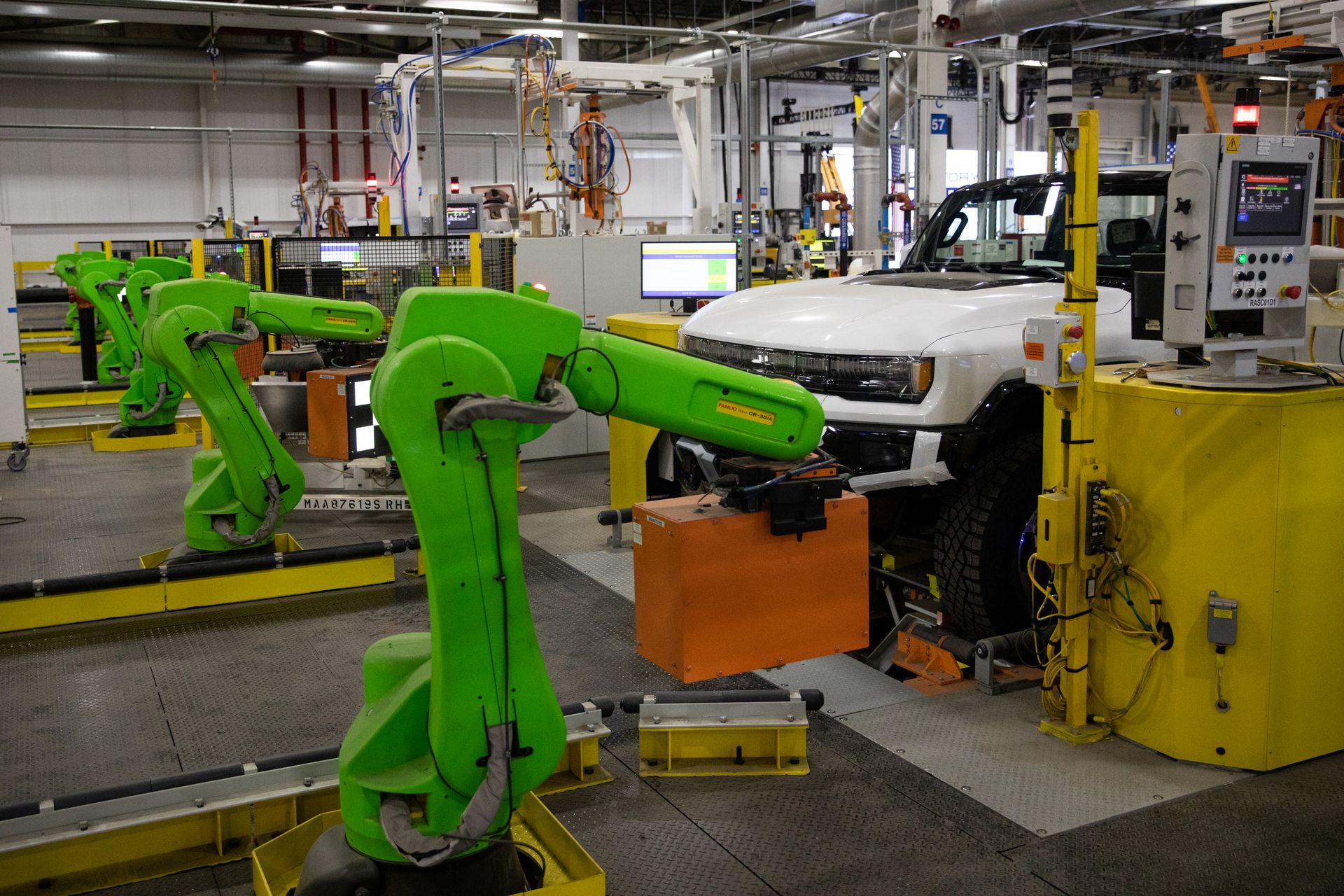
- General Motors plans a 20% increase in factory automation across North American plants by 2028, building robots in-house at its Kokomo, Indiana facility.
- The 2023 UAW contract will add $575 per vehicle to GM's labor costs, with Ford facing a $900-per-vehicle increase under similar terms.
- GM now requires suppliers competing for contracts to submit automation plans, which are scored and factored into contract decisions.
- Current UAW contracts expire in 2028—the same year GM targets completion of its automation expansion—as union leadership warns of job displacement.
- GM faces an additional $2 billion in commodity-related inflation driven by logistics and memory chip costs.
GM accelerates factory automation strategy
General Motors is planning to increase its use of robots and automated systems across North American manufacturing facilities by 20% before 2028, according to Reuters. The Detroit automaker has begun producing its own robotic equipment at a facility in Kokomo, Indiana, focusing primarily on autonomous mobile robots that transport components between different production areas.
While GM continues to source some robotic hardware from external vendors during its in-house development phase, the company is also embedding automation requirements into its supplier relationships. Vendors competing for new parts contracts must now submit detailed plans outlining how they will automate their own operations. GM evaluates these proposals using a scorecard system, and the automation scores factor into contract award decisions.
Why it matters
The push toward greater automation comes at a critical inflection point for U.S. auto manufacturing. Automakers face simultaneous pressure from record labor contract gains and political demands to reshore production—forces that are fundamentally reshaping how they balance workforce costs against manufacturing efficiency. GM's 20% automation target by 2028 is particularly significant because that's when current UAW contracts expire, setting up a potential collision between technological advancement and labor protections.
Cost pressures driving the shift
The timing of GM's automation expansion directly follows the 2023 United Auto Workers contract negotiations, which delivered historic gains for union members but substantially increased automaker expenses. GM estimates the 2023 agreement will add approximately $575 to the labor cost of each vehicle produced. Ford faces an even steeper increase of roughly $900 per vehicle under its corresponding contract.
These labor agreements with GM, Ford, and Stellantis are all scheduled to expire in 2028—the same year GM aims to complete its 20% automation increase. The company stated that automation efforts are designed to enhance production safety, efficiency, and quality. "As competition intensifies globally, we continue to put these technologies to work in ways that support our manufacturing teams," GM said in a statement.
Beyond labor costs, GM is confronting approximately $2 billion in commodity-related inflation, driven partly by higher expenses for logistics and memory chips, according to the company's third-quarter earnings report.
Labor tensions over automation
At a UAW convention in June, union President Shawn Fain warned that workers' jobs face threats from artificial intelligence and expanding automation. "And if AI continues to be used as an accessory to that crime, it has to be stopped," Fain stated.
Mikell Taylor, GM's director of robotics strategy, offered a different perspective on the "Automated" podcast in February, suggesting that manufacturers should design workflows around the respective strengths of human workers and robotic systems.
These details were first reported by Reuters.