GM Adds 50 Cobots at Factory Zero as Union Cites Job Losses
UAW Local 22 president says collaborative robots at Detroit electric vehicle plant are displacing workers amid falling EV sales and recent layoffs.
Union leader challenges GM's automation expansion
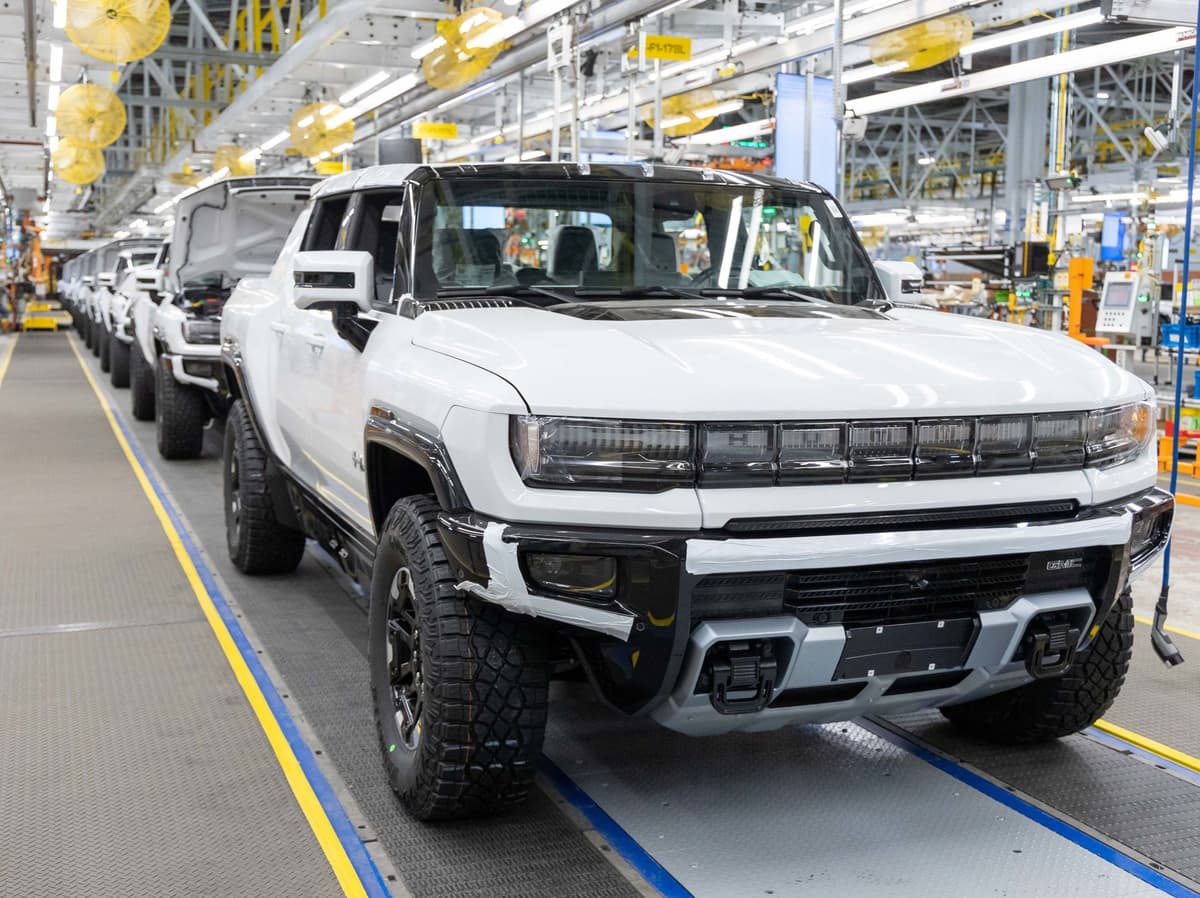
General Motors has deployed approximately 50 new collaborative robots at its Factory Zero plant in Detroit, a move that has drawn sharp criticism from the local union representing workers at the facility. James Cotton, president of UAW Local 22, estimates the Fanuc cobots are now installing various vehicle parts on assembly lines where union members previously performed the work.
"They're taking our jobs away," Cotton said after a recent visit to the complex, which produces electric versions of the Chevrolet Silverado, GMC Sierra, GMC Hummer, and Cadillac Escalade IQ.
GM spokesperson Kevin Kelly confirmed the automaker has installed cobots—robots designed to work directly alongside human operators—at all of its production facilities as part of a broader technology integration effort. The company maintains the robots are essential for maintaining competitiveness and improving workplace ergonomics for employees.
Why it matters
The tension at Factory Zero illustrates a fundamental challenge facing automotive manufacturers: balancing automation investments with workforce stability during the uncertain transition to electric vehicles. With EV sales declining after the elimination of federal tax incentives and 1,200 workers already laid off from a shift reduction, the introduction of additional automation raises questions about the future composition of manufacturing jobs in the electric vehicle era.
Historic plant faces modern pressures
Factory Zero occupies a site with deep automotive roots. Originally opened in 1910 by John and Horace Dodge as an auto parts manufacturing center for Ford, the facility later became the first assembly plant for Dodge and Chrysler vehicles. GM acquired the dormant property in the early 1980s.
In late 2020, GM renamed the facility Factory Zero and announced more than $2.2 billion in investments to convert it into a dedicated zero-emission vehicle production site. The plant now represents GM's flagship electric vehicle manufacturing operation.
However, sales of the electric trucks and SUVs produced at the plant have declined considerably since federal tax incentives for these vehicles were eliminated. The weakened demand led GM to eliminate one of two work shifts at Factory Zero at the end of last year, resulting in the layoff of nearly 1,200 workers.
Company defends automation strategy
GM's Kelly emphasized that cobots at Factory Zero are being "implemented alongside our team, which helps improve safety and ergonomics while keeping our operations flexible and competitive." The company frames the technology as a complement to human workers rather than a replacement, though union leadership disputes this characterization based on observed job displacement.
The deployment represents part of GM's company-wide push to integrate advanced automation technology across all production plants, according to the automaker's statement.
These details were first reported by Crain's Detroit Business.
This is an original analysis by the Omega editorial team. Source reporting: Automation Watch.
Want systems like this working for your business?
Book a Call