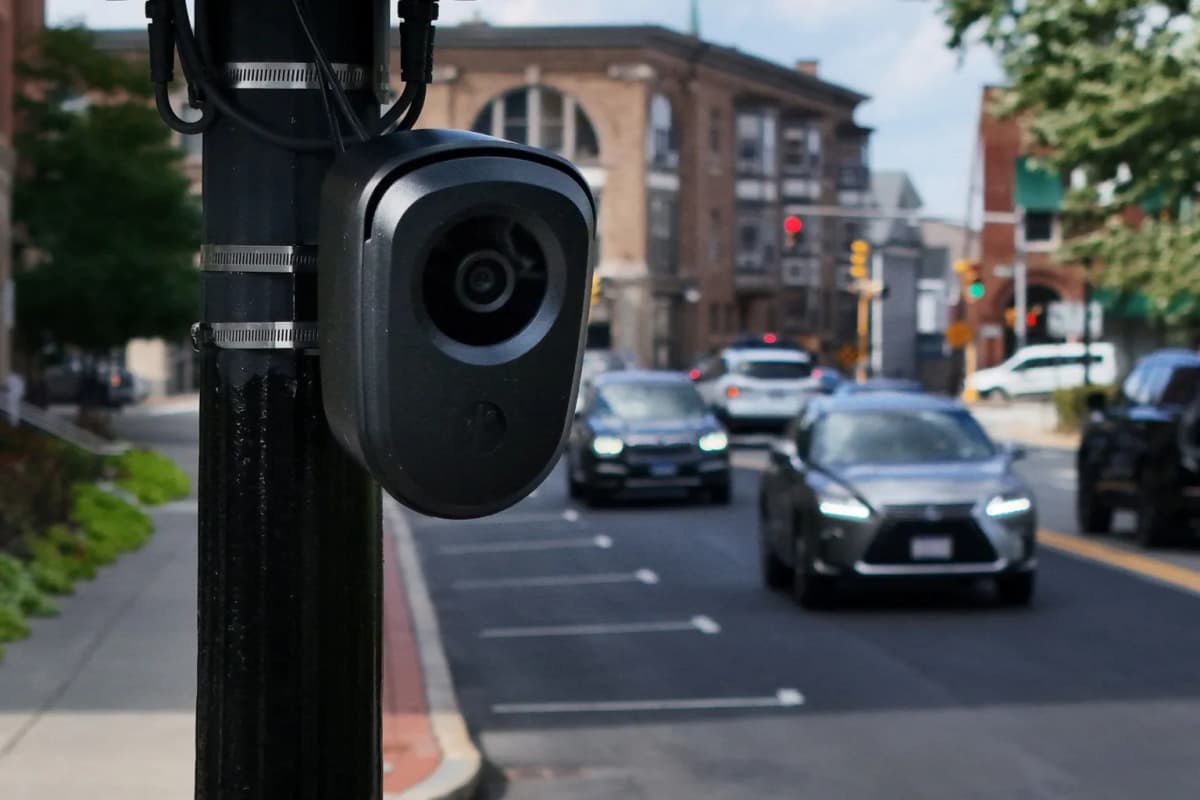
Gig Workers Demand Transparency as AI Algorithms Cut Delivery Pay
Food delivery riders in the UK report earnings down 50% over four years as platforms increase automation and adopt dynamic pricing systems.
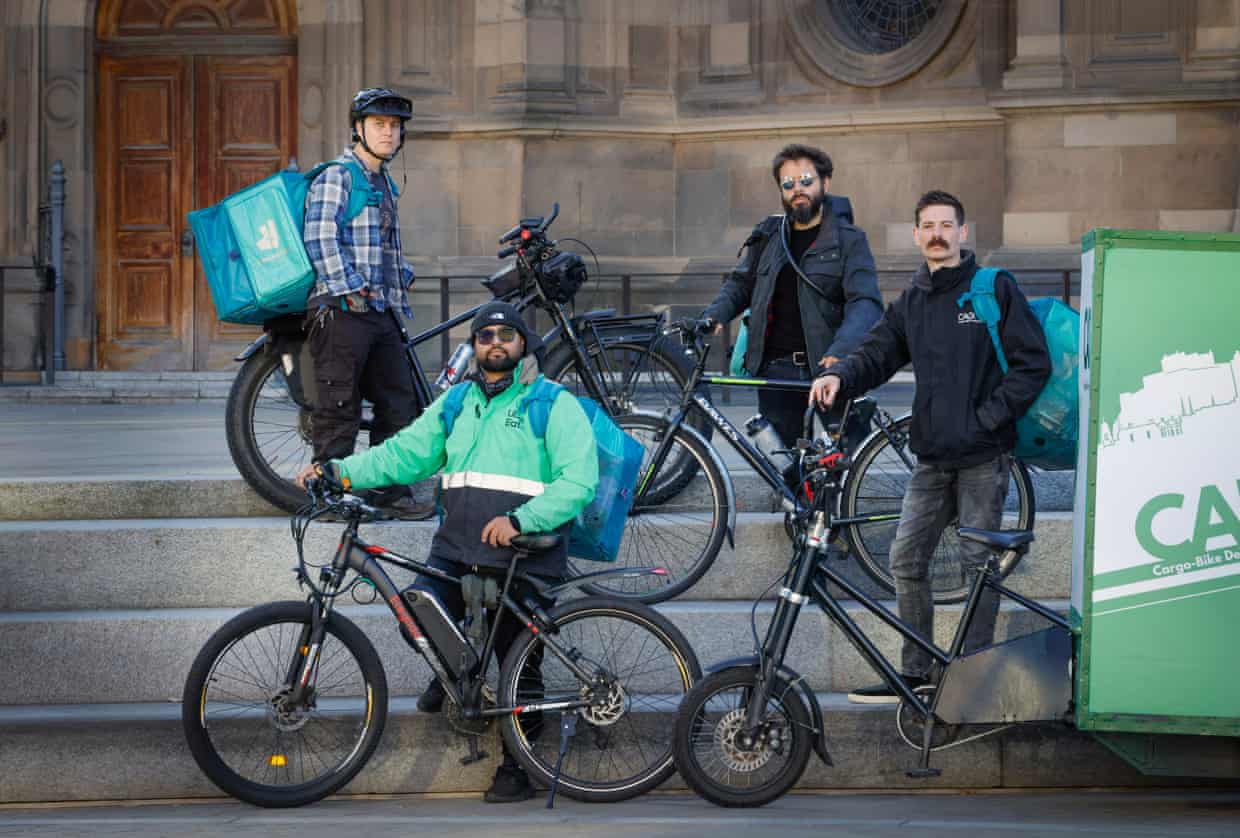
Food delivery workers in Edinburgh are demanding that major gig economy platforms reveal how their AI-driven algorithms determine job assignments and pay rates, citing dramatic wage declines they attribute to increased automation.
A group of riders working for Deliveroo, Uber Eats, and Just Eat report their earnings have fallen substantially even as they deliver similar numbers of orders. One Edinburgh rider who has worked for seven years says he now makes half what he earned four years ago for the same hours worked.
Documenting the decline
The Workers' Observatory, a charity founded by gig workers alongside academics at St Andrews and Edinburgh universities, is helping riders research the opaque systems that govern their work. The organization recently secured a decade of research funding to investigate platform algorithms.
One rider, Dylan, has maintained detailed records since mid-2023 showing his average fee per order dropped from £3.67 in 2023 to £3.42 in the first half of 2026, while his delivery rate per hour remained constant at 3.6 to 3.8 orders. The Guardian first reported these findings.
Xabier Villares, the observatory's lead organizer and an eight-year veteran rider, describes a "dramatic change in the last three years." He previously supported himself working four to five days weekly but says that's no longer viable.
Dynamic pricing under scrutiny
The observatory has conducted experiments revealing how dynamic pricing algorithms offer different pay rates to different workers. In one test in Dunfermline, riders who rejected low-paying offers saw temporary rate increases, while others faced penalties—one was deactivated from the platform shortly after, though the reason remained unclear.
Research from Oxford and Columbia universities found that Uber's introduction of dynamic pricing in 2023 resulted in drivers earning "substantially less" per hour. This week, drivers from multiple countries launched a class action lawsuit in Amsterdam alleging Uber's AI system violates data protection laws and suppresses earnings.
Platform responses
Deliveroo has named its algorithm "Frank" and describes it as machine-learning technology that predicts order timing for efficient delivery. The company says riders earn above the national living wage while on orders and that fees increased 3.8% this year, above inflation.
However, this calculation excludes time spent waiting for job offers. Riders also report difficulties with automated systems, including facial recognition technology that prevented one worker from logging in after a facial injury, with no immediate human support available.
Uber and Just Eat representatives say their systems balance multiple factors and are overseen by human teams. All three platforms deny penalizing workers for rejecting orders.
Why it matters
The opacity of algorithmic management systems represents a fundamental power imbalance in the gig economy. As platforms increasingly rely on AI to set wages and allocate work, workers lack visibility into how decisions affecting their livelihoods are made. The Workers' Observatory's research could provide the empirical foundation needed for regulatory intervention or collective bargaining, particularly as trades unions campaign to ban dynamic pricing practices that leave workers unable to predict their earnings.
The Guardian reported these details as part of ongoing coverage of gig economy working conditions.
This is an original analysis by the Omega editorial team. Source reporting: AI Watch.
Want systems like this working for your business?
Book a Call