Flock Safety's AI Camera Network Sparks Nationwide Backlash
Over 200 U.S. communities have canceled contracts with the surveillance firm amid privacy concerns and misuse incidents.
Flock Safety's AI Camera Network Sparks Nationwide Backlash
A growing number of American communities are rejecting AI-powered surveillance cameras from Flock Safety, even as law enforcement credits the technology with solving crimes at unprecedented rates. The tension reflects a broader unease about automated monitoring systems that track vehicle movements without warrants or public oversight.
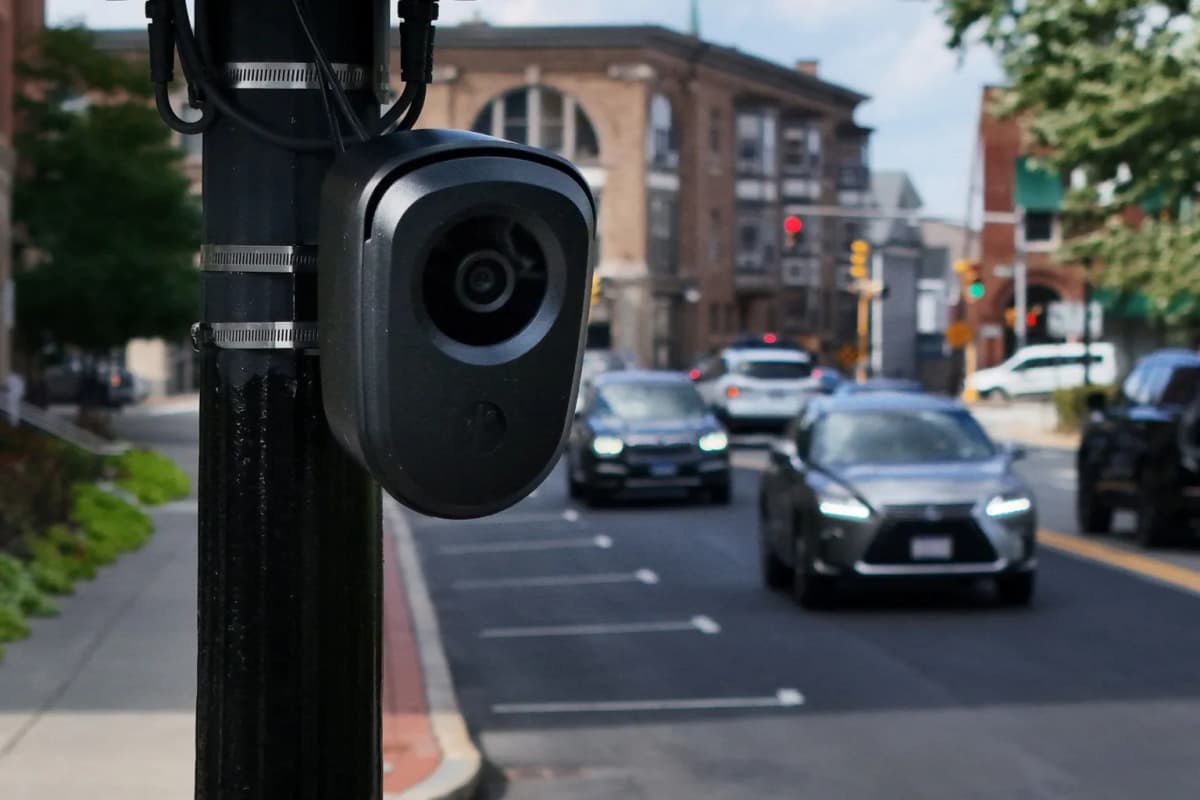
Flock Safety, founded in 2017, has deployed an estimated 100,000 automated license plate readers across more than 7,000 U.S. communities. The cameras photograph every passing vehicle and feed data into a searchable national database. What distinguishes Flock from older systems is scale: a single police department can query footage from thousands of camera networks nationwide, sometimes spanning multiple states.
Why it matters
The debate over Flock crystallizes tensions between public safety and civil liberties in the age of AI. Unlike traditional surveillance requiring targeted warrants, these systems create permanent records of everyday movements for entire populations. As artificial intelligence makes it easier to search and correlate this data, the gap between what technology enables and what legal frameworks permit continues to widen.
Privacy breaches fuel opposition
Recent incidents have amplified concerns. A Kentucky police officer was charged last week after using Flock to track his ex-girlfriend more than 2,000 times. In Johnson County, Texas, a detective searched over 80,000 images to locate a woman suspected of having an abortion—without obtaining a warrant.
Documents obtained by the BBC reveal that Houston's METRO Transit Authority, which owns just 35 cameras, can access approximately 20,000 devices across the Flock network, including cameras as far away as Albany County, New York. In the Cypress-Fairbanks school district near Houston, the typical license plate search expanded from 270 camera networks in April 2024 to around 500 networks by April 2025.
The BBC also uncovered that Harris County Sheriff's Office uses Clearview AI facial recognition software, which maintains a database of over 70 billion images scraped from social media and public internet sources. This marks the first public reporting of the county's use of this controversial technology.
Communities cancel contracts
More than 200 jurisdictions have canceled or declined to renew Flock contracts since 2021, including 90 in August alone, according to advocacy group Secure Justice. Major cities abandoning the technology include Los Angeles, Seattle, and Austin. Vandals have targeted cameras in Houston, Minnesota, California, and Georgia.
Immigrant communities express particular alarm. While Immigration and Customs Enforcement cannot directly access Flock data, some police departments maintain information-sharing agreements with federal immigration authorities. A proposed Harris County contract amendment initially authorized sharing camera data with federal law enforcement but was removed after public pressure.
The company's defense
Flock CEO Garrett Langley told the BBC the technology has helped solve approximately one million crimes and locate over 10,000 missing people. Chief Ray Schultz of Houston's Memorial Villages Police Department reports his stolen vehicle recoveries jumped from three annually to 45 after adopting Flock cameras.
The company has implemented mandatory AI-powered audits to flag suspicious searches and reduced default data retention from 30 to 7 days. However, individual agencies can extend retention periods indefinitely for investigations.
Langley maintains that technology companies should not dictate law enforcement policy. "As long as it's a lawful investigation, we are not going to tell cities what laws they should or should not enforce," he said.
These details were first reported by the BBC, which obtained internal documents through public records requests revealing the scope of surveillance technology deployment in Houston and surrounding areas.
This is an original analysis by the Omega editorial team. Source reporting: AI Watch.
Want systems like this working for your business?
Book a Call