GE Appliances Deploys 800 AI Agents Across Factory Operations
The manufacturer's Gemini-powered platform cuts back orders 25% and lets workers query production data without data scientists.
GE Appliances has integrated more than 800 artificial intelligence agents into its manufacturing, logistics and supply chain operations using Google Cloud's Gemini Enterprise platform, the company announced.
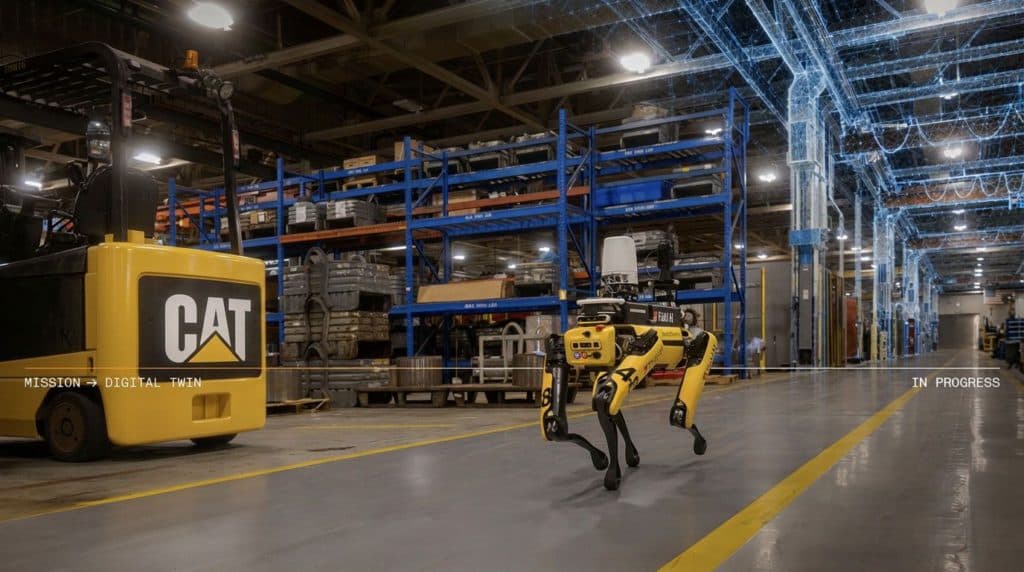
The agents operate within a data platform GE Appliances calls Brilliant Factory, which tracks production, parts inventory and worker activity across every production line and shift. The system allows employees to review an entire shift's data in minutes rather than hours and query the system directly without requiring data science support.
Why it matters
This deployment demonstrates how AI agents are moving beyond quality control into core operational decisions — production volumes, staffing allocation and inventory management. For manufacturers investing billions in automation, the ability to make these decisions in real time rather than relying on manager judgment and static reports represents a fundamental shift in how factories respond to demand signals.
Measurable returns on supplier communication
In 2025, GE Appliances built an AI agent to manage communication with more than 600 suppliers. The agent automated routine order-status inquiries and reduced back orders by 25%, according to the company. This freed staff to focus on higher-value work while the parts team continues shipping approximately 27 million parts annually to more than 700 suppliers.
The company maintains parts support for older appliance models for at least seven years. A separate AI tool analyzes customer feedback and photos to identify product defects earlier in the production cycle.
"At our scale, that means we can catch defects sooner and improve product quality," said Marcia Brey, vice president of logistics at GE Appliances.
$3.5 billion manufacturing investment amplifies efficiency gains
GE Appliances has invested more than $3.5 billion in U.S. manufacturing since 2016, exceeding any competitor in its category. This scale means even incremental efficiency improvements translate to significant financial impact.
The company's Roper Corporation plant in LaFayette, Georgia illustrates the investment scope. GE Appliances completed a $180 million expansion there — $60 million above the original plan — adding more than 600 jobs and more than tripling robotics deployment. The facility now operates production lines capable of building gas, electric or induction ranges on the same line, adjusting to demand shifts in real time.
New robots at the Georgia plant assemble glass cooktops and rotate units into position for final assembly. "By combining advanced automation with the skills and dedication of our local team, we're creating high-quality jobs, launching breakthrough products, and ensuring that 'Georgia Made' ranges are being shipped to homes across the country," said Luther Ingram, the plant's manager.
From defect detection to production planning
What distinguishes this AI deployment is its reach beyond traditional quality control. The same system flagging defects also informs decisions about production volumes, shift staffing and inventory levels — decisions previously based on plant manager experience and periodic reports.
A production line that can switch between gas, electric and induction ranges only delivers value if the plant knows in real time which product demand is shifting toward. These AI agents are designed to answer precisely that type of operational question.
"AI is now integral to the way work gets done at GE Appliances," said Mandar Deo, the company's chief digital officer.
The details were first reported by PYMNTS.
This is an original analysis by the Omega editorial team. Source reporting: AI Watch.
Want systems like this working for your business?
Book a Call