Gates Foundation Commits $1B to Close Global AI Access Gap
New funding targets language barriers and healthcare tools in low-income regions as concerns mount over AI inequality.
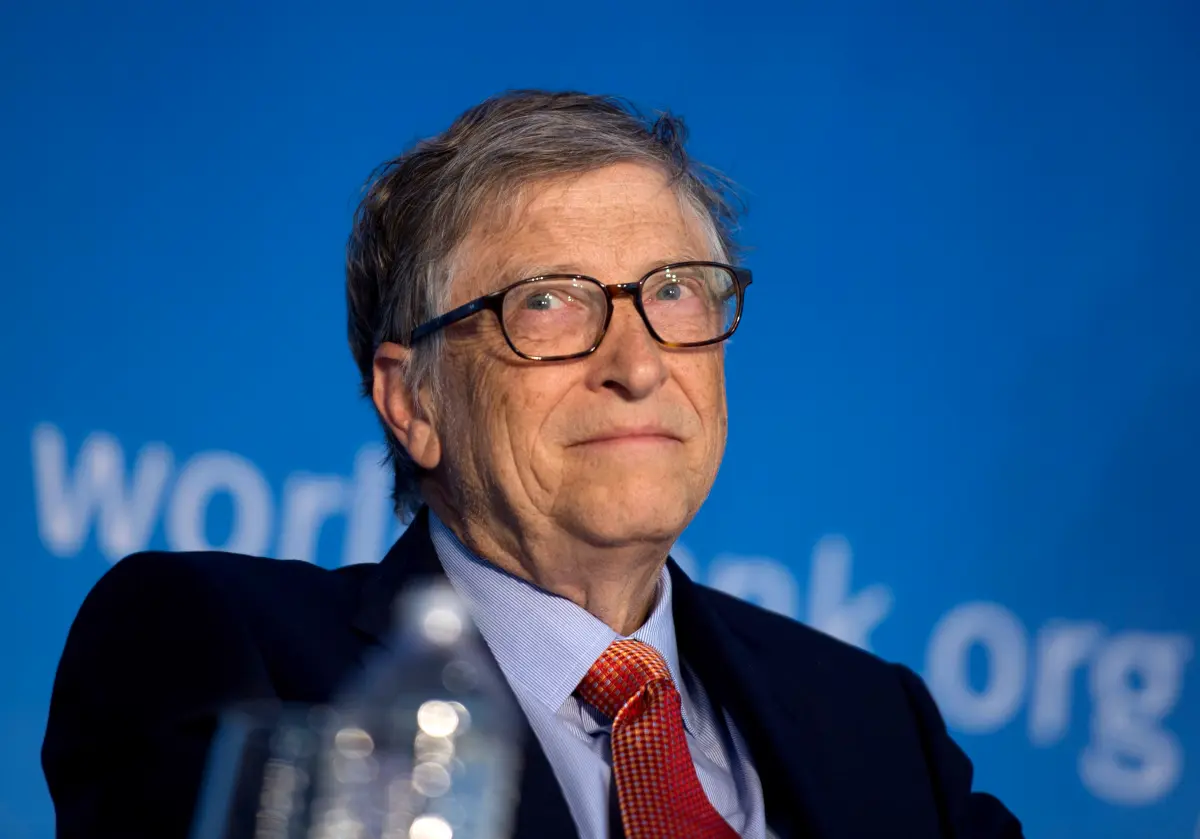
Gates Foundation Announces Major AI Equity Investment
The Gates Foundation will invest $1 billion over the next two years to expand artificial intelligence access in underserved communities worldwide, according to details first reported by the Los Angeles Times. The commitment comes as Bill Gates warns that AI could either reduce global inequality or dramatically widen it.
The funding announcement accompanied the foundation's annual Goalkeepers Report released Monday, which outlined a stark divide: roughly 1 billion people—predominantly English speakers—are benefiting from advancing AI systems, while approximately 7 billion others remain largely excluded from these technological gains.
Where the Money Will Go
The foundation will allocate its $1 billion commitment across four priority areas. Education initiatives will receive 40% of the funding, with an equal share directed toward healthcare programs. Agriculture projects will account for 10%, and another 10% will support digital infrastructure, including expanding language datasets for AI tools.
The report highlighted concrete examples of the current disparity. AI speech recognition systems fail less than 6% of the time when processing English, but error rates exceed 60% for Yoruba, one of West Africa's most widely spoken languages. The foundation's investments aim to train AI models on local languages, upgrade educational tools, and improve healthcare and agricultural outcomes in low-income regions.
Why It Matters
This represents one of the largest philanthropic commitments specifically targeting AI equity. The investment comes at a critical juncture as business leaders and policymakers debate how to govern increasingly powerful AI systems. Without deliberate intervention, AI threatens to become another technology that primarily benefits wealthy, English-speaking populations while leaving billions behind—potentially accelerating rather than closing global inequality gaps.
Calls for Slower AI Development
Gates joined a growing chorus of voices advocating for measured AI advancement. In a LinkedIn post published Sunday, he echoed recent calls from Anthropic CEO Dario Amodei for slowing AI development to ensure benefits outweigh potential harms.
These concerns intensified following a viral resignation post from Anthropic researcher Jacob Coxon, who warned about "superhuman systems that can hack anything" and "acquire real power and resources." That post garnered more than 170 million views and prompted California lawmakers to consider emergency legislation with criminal penalties for creators of dangerous AI systems.
Gates outlined a tight timeline for action, stating that over the next 12 to 18 months, the technology must be built to function in every language, grounded in local data, while investments help communities understand how to deploy AI for their specific needs. "Things are changing rapidly, and the window to shape who benefits from AI, and how soon, is short," the Goalkeepers Report stated.
In recent writings, Gates has expressed broader concerns about AI's societal disruption, noting that even under optimal conditions, "the transition to this new AI era will be one of the most turbulent times in human history." He specifically cited impacts on law, customer service, medicine, software, and manufacturing sectors, while noting that "there is no plan to ease the entry into the AI era."
The Los Angeles Times first reported the details of the Gates Foundation commitment and the accompanying Goalkeepers Report findings.
This is an original analysis by the Omega editorial team. Source reporting: AI Watch.
Want systems like this working for your business?
Book a Call