Gas Stations Sued for AI-Driven Price Collusion in California
A federal class action claims Kalibrate software helped Marathon, BP, and others coordinate fuel prices instead of competing.
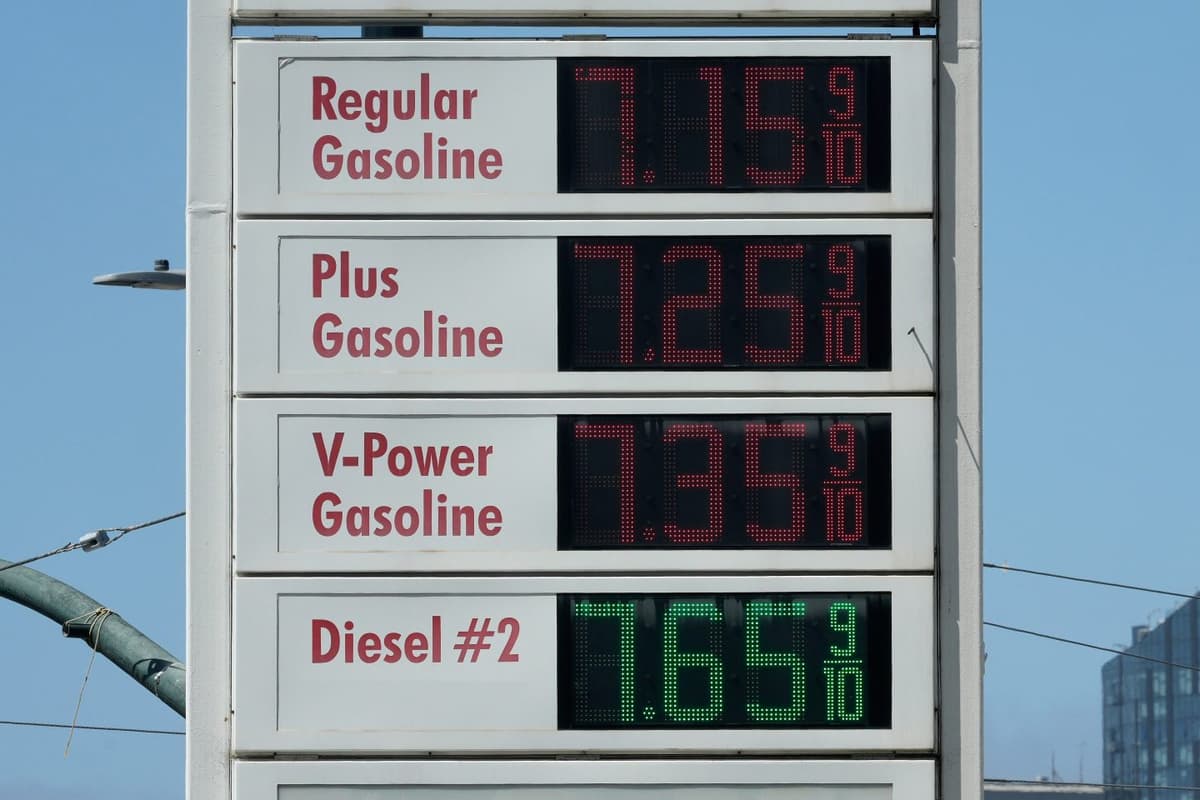
Major fuel retailers face allegations of algorithmic price-fixing
A federal class action lawsuit filed this week alleges that gas station operators across California used AI-powered pricing software to illegally coordinate fuel prices, effectively eliminating competition at the pump. The complaint targets major chains including Marathon, BP, Circle K, Speedway, EG America, Walmart, and Albertsons—collectively operating more than 1,700 California stations.
At the center of the lawsuit is Kalibrate, a Manchester-based fuel-pricing platform used globally. The plaintiffs describe the software as functioning like a "central nervous system for a conspiracy to extinguish retail price competition among gas stations."
How the software allegedly works
According to the complaint, Kalibrate collects competitively sensitive data including costs and sales volumes from participating stations, then uses that information to recommend pricing strategies that keep fuel prices elevated across a region. The lawsuit claims the system actively discourages operators from undercutting competitors, warning that lower prices would trigger a "downward spiral."
One feature highlighted in the complaint is a "restoration" tool that allegedly helps stations across an area raise prices simultaneously and substantially. Research cited in the lawsuit found that algorithmic fuel-pricing software correlates with average price increases of roughly 6 cents per gallon, with some markets seeing jumps as high as 30 cents per gallon where adoption is widespread.
Why it matters
This case represents a critical test of whether existing antitrust frameworks can address collusion facilitated by algorithms rather than explicit human agreements. California already passed legislation in 2024 clarifying that state antitrust law applies to pricing algorithms, and this lawsuit is among the first to invoke that standard. For businesses deploying AI in pricing decisions, the outcome could establish new boundaries around data sharing and algorithmic coordination. The financial stakes are substantial: the lawsuit notes that each penny of price increase extracts $134 million annually from California drivers.
Part of a broader enforcement pattern
The California case follows similar federal actions against algorithmic pricing platforms. The Department of Justice recently settled lawsuits against RealPage, accused of enabling rent collusion among landlords, and Agri Stats, which allegedly helped meatpackers coordinate to inflate grocery prices. State attorneys general continue pursuing related cases.
The lawsuit seeks to represent all California drivers who purchased fuel at stations using Kalibrate software since June 2022. Kalibrate, which operates in more than 70 countries, did not respond to requests for comment. None of the named defendants have issued public statements on the allegations.
The complaint frames the issue as a modern evolution of cartel behavior: "As technology has advanced, so too have the mechanisms available to competitors to fix prices without the cigars, the smoke, or even the room."
These details were first reported by Fortune.
This is an original analysis by the Omega editorial team. Source reporting: AI Watch.
Want systems like this working for your business?
Book a Call