Former Red Bull F1 Engineer Raises $55M to Deploy Factory Robots
Munich startup microagi collects human task data through viral cleaning service to train AI models for manufacturing automation.
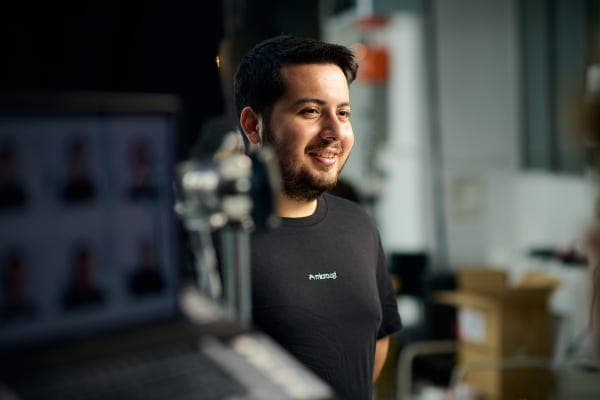
A former Red Bull Racing aerodynamics engineer has secured Germany's largest seed funding round to address what he sees as manufacturing's existential challenge: deploying robots at scale before workforce shortages cripple Western factories.
Bercan Kilic left Formula One in 2023 after less than a year to launch microagi, a Munich-based startup that trains robots for factory work. The company announced a $55 million seed round led by Hummingbird, with participation from Northzone, LocalGlobe, Village Global, and redalpine. The startup declined to disclose its valuation.
The training data problem
microagi doesn't build robots or foundational AI models. Instead, it solves a critical bottleneck: teaching existing robotics systems to perform specific manufacturing tasks. The company uses cameras and sensor-equipped gloves to record human workers, then uses that footage to adapt robotics models for deployment in customer factories.
Five manufacturers are currently collecting data through microagi's platform, with one preparing to deploy robots in production, Kilic told Business Insider, which first reported the funding.
The challenge mirrors what UC Berkeley roboticist Ken Goldberg calls the "100,000-year data gap" — the vast disparity between training data available for language models versus physical robots. Large language models learned from billions of text and image examples scraped from the internet. No comparable dataset exists for robotic manipulation.
Viral cleaning service fuels AI ambitions
microagi's consumer-facing arm, shift, went viral this year by offering free apartment cleanings in New York. The catch: cleaners wear recording equipment that captures first-person footage of dishwashing, mopping, and laundry folding. This week, shift expanded to offer free private chefs in San Francisco.
shift now operates in 15 countries and pays more than 20,000 people to record themselves performing physical tasks. The company sells this footage to AI labs and robotics companies developing robot "brains," then adapts those models using proprietary factory data from manufacturing customers spanning automotive, logistics, and food industries.
Kilic said the dual approach emerged from necessity. The team initially planned to deploy existing robots and models directly, but found most robotics systems weren't capable enough to serve as useful starting points — like trying to train a child rather than an adult for factory work.
Why it matters
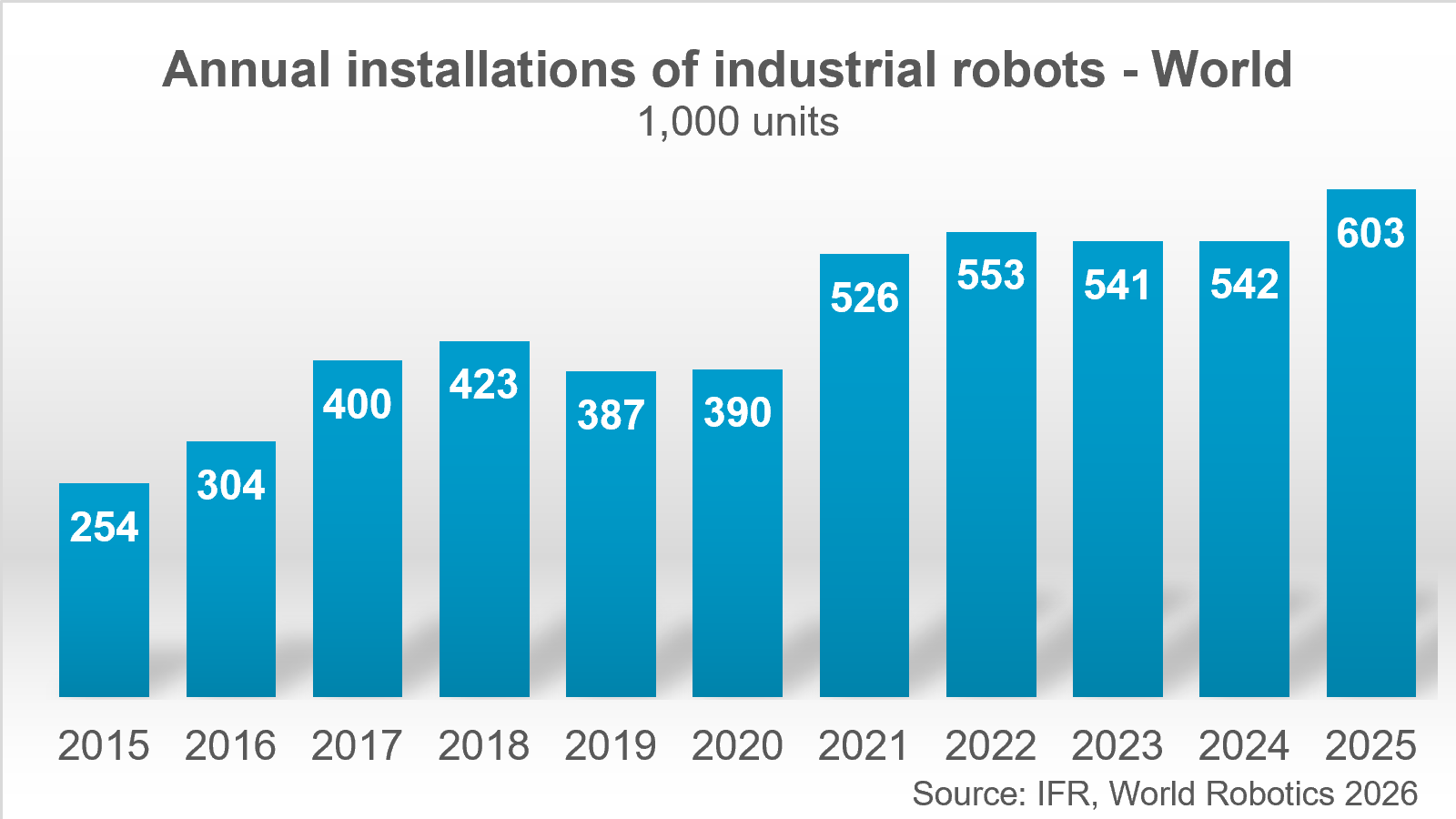
The urgency behind microagi's mission reflects a demographic reality reshaping global manufacturing. China installed 295,000 factory robots in 2024 — 54% of the global total — compared with just 34,200 in the United States, according to the International Federation of Robotics. Meanwhile, the European Union's median age reached 44.9 in 2025, and the European Commission projects the bloc's workforce could shrink by up to 18.8 million people by 2050.
"Your most experienced people retire this decade, and their replacements were never born," Kilic said. "Reshoring only works if the robots do."
Audacious targets
Kilic and his four cofounders — including former Mercedes F1 engineer Yoan Iliev and former Alan Turing Institute researcher Anton Poletaev — have set an aggressive goal: becoming the world's largest company within five years by deploying tens of millions of robots.
"In five years, if we haven't deployed more than 20 million or 30 million robots, it's a big failure," Kilic said.
The company will use the new capital to pay for computing power needed to train robotics models, expand shift's data collection network, and grow its U.S. presence from New York. microagi currently employs 37 people globally, while shift has approximately 75 employees.
Hummingbird managing partner Firat Ileri, who led the investment, cited the founding team's intensity and focus on European factory automation as key factors in the decision. Hummingbird previously backed AI coding startup Lovable, crypto exchange Kraken, and AI-chip startup Etched.
Details of the funding round and company strategy were first reported by Business Insider.
This is an original analysis by the Omega editorial team. Source reporting: Automation Watch.
Want systems like this working for your business?
Book a Call