Florida Man Sues Police After Wrongful Arrest by AI Facial Recognition
Robert Dillon was arrested 300 miles from the crime scene after algorithm returned 93% match probability, despite evidence he was never there.
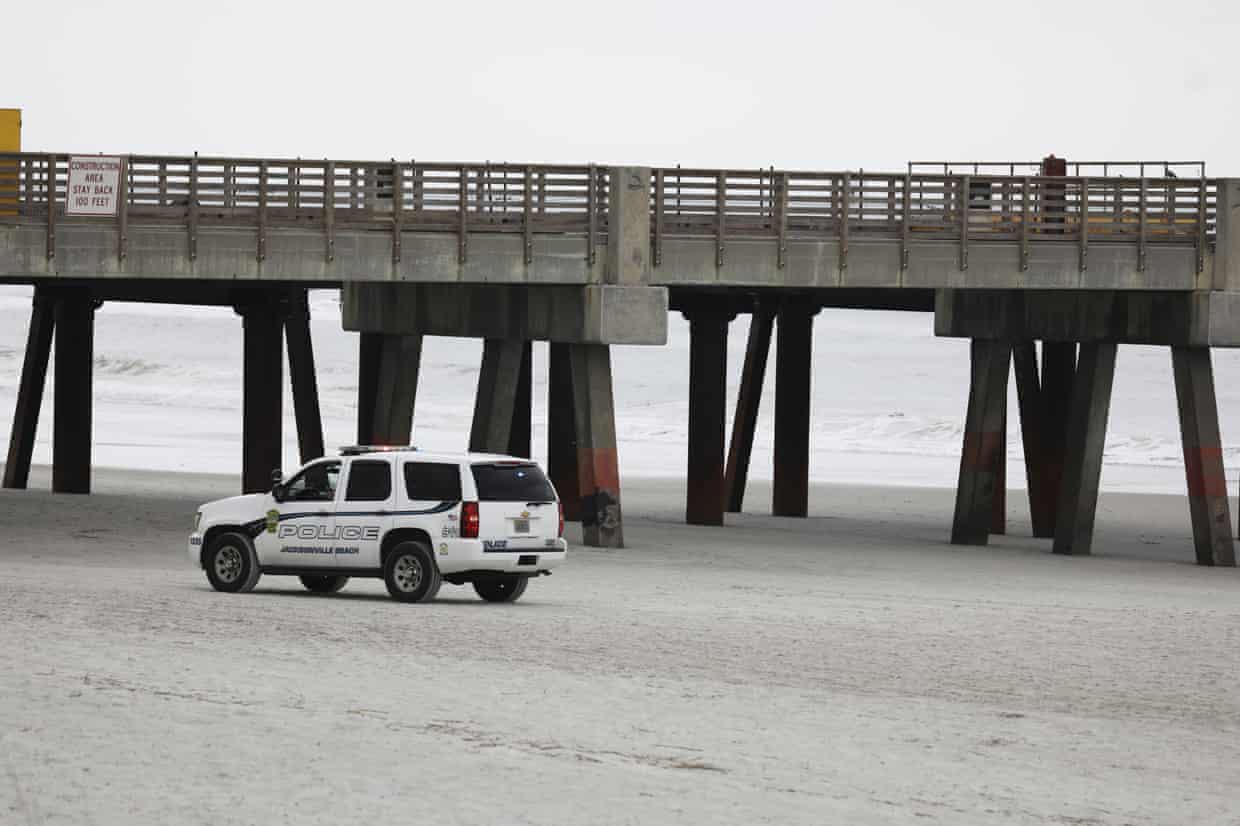
A Florida man has filed a federal lawsuit against multiple law enforcement agencies after being wrongfully arrested based on faulty AI facial recognition technology, according to a complaint filed by the American Civil Liberties Union.
Robert Dillon, 52, was arrested at his Fort Myers home in August 2024 after Jacksonville Beach police used facial recognition software that returned a 93% probability match connecting him to a man seen on McDonald's security cameras attempting to lure a child under 12 years old.
The problem: Dillon lives more than 300 miles away from Jacksonville Beach and told investigators he had never been to the town. Charges were eventually dismissed, but not before Dillon endured months of prosecution for a crime carrying severe social stigma.
The Investigation's Flaws
The lawsuit, filed Tuesday in Fort Myers district court, alleges that lead investigator Scott O'Connell of the Jacksonville Beach Police Department ignored multiple pieces of exculpatory evidence that would have cleared Dillon.
License plate readers showed none of Dillon's vehicles were ever near the restaurant. The photograph analyzed by the Faces facial recognition system—maintained by the Pinellas County Sheriff's Office and leased to other agencies—was a low-quality screen grab taken on an officer's cellphone rather than a proper digital upload from the security footage.
Additionally, a McDonald's employee who identified Dillon from a photo lineup claimed the suspect was a "regular customer" who had visited multiple times in recent weeks. O'Connell knew Dillon lived hundreds of miles away, making such regular visits impossible, yet did not challenge this assertion in the arrest warrant, according to the complaint.
A Pattern of Failures
The lawsuit identifies Dillon's case as at least the 15th nationally involving false identification through facial recognition technology leading to charges or arrest. In a similar recent case, Jalil Richardson of Charlotte, North Carolina, spent nearly three months in jail after being extradited to Jacksonville based on automated facial recognition, despite timecards showing he was at work 400 miles away when a car theft occurred.
"Over a year later, I'm still picking up the pieces of my life, all because the police relied on this dangerous technology instead of doing their jobs and actually investigating," Dillon said.
The ACLU lawsuit names the Jacksonville Beach Police Department, the Jacksonville Sheriff's Office, and Pinellas County Sheriff Bob Gualtieri, whose agency operates the Faces system.
Why It Matters
This case underscores the urgent need for regulatory frameworks governing law enforcement's use of AI facial recognition. A Guardian investigation last month found that oversight of these systems remains inadequate both in the United States and internationally, with technology advances far outpacing regulatory capacity. When investigators treat algorithmic outputs as definitive rather than investigative leads requiring corroboration, innocent people face arrest, prosecution, and permanent reputational harm—consequences that persist even after charges are dropped.
"Police across the country are on notice: Unreliable face recognition technology is hurting people, and we will keep fighting to hold them accountable for these abuses," said Nate Freed Wessler, deputy director of the ACLU's speech, privacy, and technology project.
No law enforcement agency involved has apologized or acknowledged the error, according to the lawsuit. The details were first reported by The Guardian.
This is an original analysis by the Omega editorial team. Source reporting: AI Watch.
Want systems like this working for your business?
Book a Call
