AI Companies Are Bulk-Buying and Destroying Rare Physical Books
Book resellers report surging orders from suspected AI labs seeking pre-2022 texts free from synthetic content contamination.
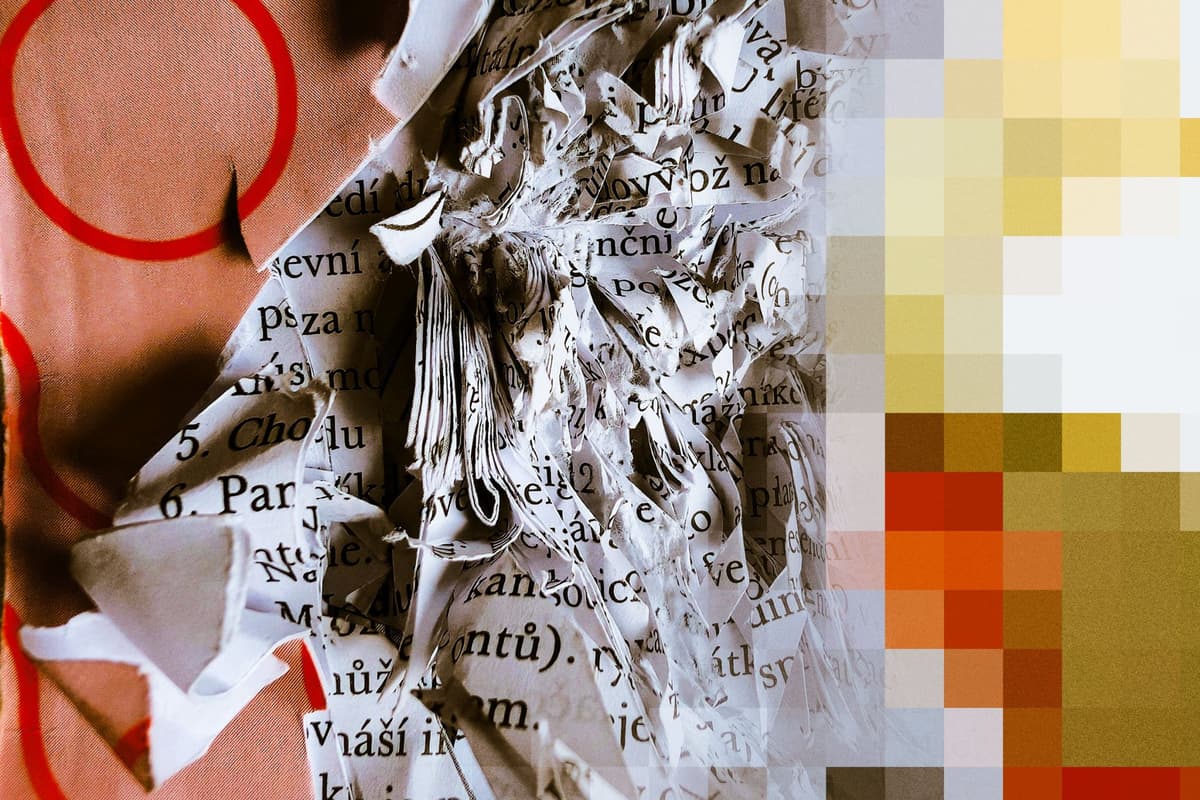
AI labs turn to physical books for training data
Artificial intelligence companies are purchasing physical books by the thousands—and destroying them in the process. The practice has become widespread enough that established book database services are now actively facilitating bulk orders, with some AI companies buying between 1,000 and one million books at a time.
According to details first reported by 404 Media, companies like Anthropic have used hydraulic cutting machines to remove pages from purchased books before scanning them with industrial imaging equipment. The approach exploits first-sale doctrine, a legal principle allowing buyers to modify purchases without copyright holder permission. When Anthropic faced a lawsuit over this practice, a judge ruled the transformation from physical to digital format qualified as "transformative" use protected under fair use provisions. The company ultimately paid a $1.5 billion settlement to authors.
Why it matters
This trend threatens rare and out-of-print books while creating a new revenue stream that incentivizes the destruction of physical volumes. As AI-generated content floods the internet, pre-2022 physical books represent an increasingly valuable source of "clean" training data untainted by synthetic text—making older and rarer volumes particularly attractive targets for destruction.
Book resellers pivot to serve AI market
ISBNdb, which maintains what it calls the "world's largest book database," now markets physical books as premium AI training material. The service emphasizes that print books from before the large language model era are "structurally guaranteed to be free" of AI-generated contamination that has compromised much online text and newer publications.
The company openly acknowledges the controversial nature of the business, stating on its website: "The optics problem is real. 'AI company destroys two million books' is not a headline that generates sympathy." ISBNdb promises to keep AI company purchases confidential, helping labs avoid the public scrutiny faced by Meta and Anthropic.
Rare volumes at risk
One small bookseller reported his weekly sales suddenly jumped from 20 books to hundreds in April. The orders showed telltale signs of AI lab purchases: random selections unified only by having ISBNs. His inventory includes rare and out-of-print titles, meaning AI companies may be destroying some of the last remaining copies of certain books.
"I personally have mixed feelings about all of this," the bookseller told 404 Media. "It benefits me financially as well as by clearing out old inventory that is otherwise unlikely to sell... On the other hand, I don't like the end-use, and I don't like that uncommon books are being pulped."
Rare booksellers in the Netherlands have reported similar patterns of bulk purchases they suspect originate from AI companies, though the anonymous nature of transactions makes confirmation difficult. Services like ISBNdb maintain buyer confidentiality, leaving sellers to speculate about their customers' intentions based on order patterns alone.
These details were first reported by 404 Media.
This is an original analysis by the Omega editorial team. Source reporting: AI Watch.
Want systems like this working for your business?
Book a Call
