FDA Grants Breakthrough Status to Generative AI Radiology Tools
Two systems that draft full X-ray reports mark a shift from earlier AI that only flagged potential problems for human review.
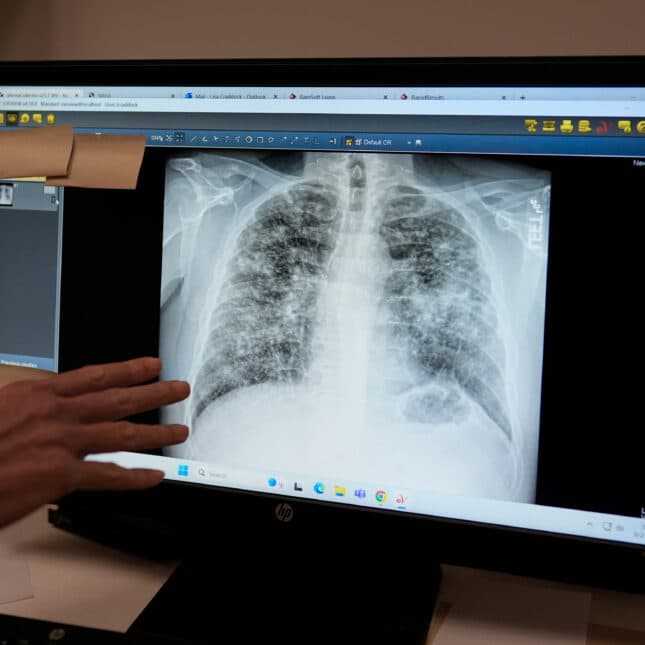
FDA recognizes new category of AI-powered radiology systems
The Food and Drug Administration has awarded breakthrough device designation to two generative AI systems that interpret chest X-rays and produce draft radiology reports — a significant departure from earlier machine learning tools that simply highlighted areas of concern for radiologists to investigate.
Cognita, developed by a Stanford researcher-founded startup that Radiology Partners acquired in late 2024, received its breakthrough designation in March. Aidoc, an established radiology AI company, announced Thursday that its First Read tool earned the same status when used to detect and describe four life-threatening conditions.
Why it matters
This regulatory milestone signals the FDA's recognition that large vision language models represent a fundamentally different technology than previous radiology AI. Rather than augmenting human work by flagging suspicious regions, these systems can process entire images and generate comprehensive findings — potentially accelerating workflow but also raising new questions about validation, liability, and the evolving role of radiologists. The breakthrough designation typically expedites the review process for technologies addressing unmet medical needs.
How generative AI differs from earlier radiology tools
Machine learning has analyzed medical images like X-rays and CT scans for years. Traditional AI systems in radiology functioned as pattern-recognition tools, identifying potential abnormalities and directing a radiologist's attention to specific areas requiring expert interpretation.
Large vision language models introduce a qualitatively different capability. These generative AI systems can examine an entire chest X-ray and produce written descriptions of multiple findings — effectively drafting much of what a radiologist would traditionally write from scratch. The radiologist's role shifts toward reviewing and validating AI-generated content rather than creating it.
This technological leap presents challenges for existing regulatory and validation frameworks, which were designed around AI as a diagnostic aid rather than as a report-generation tool. The breakthrough designations suggest regulators are adapting their approach to this emerging category.
Two companies leading the regulatory path
Cognita emerged from Stanford research before Radiology Partners, one of the nation's largest radiology practices, acquired the company in late 2024. The acquisition positioned the technology within an organization that reads millions of studies annually.
Aidoc's First Read tool received its breakthrough designation specifically for detecting and describing four life-threatening findings on chest X-rays. Aidoc has established itself in the radiology AI market with tools that prioritize critical cases, and First Read represents the company's entry into generative report drafting.
Neither company has yet received full FDA clearance for commercial use — the breakthrough designation accelerates the review process but does not constitute approval.
These details were first reported by STAT News.
This is an original analysis by the Omega editorial team. Source reporting: AI Watch.
Want systems like this working for your business?
Book a Call