FDA Clears BD Blood Culture System That Cuts Sepsis Detection by 3 Hours
The automated BD BACTEC FXI system reduces bloodstream infection detection time from 20 to 17 hours, enabling faster treatment decisions in critical care.
Faster Detection in Critical Window
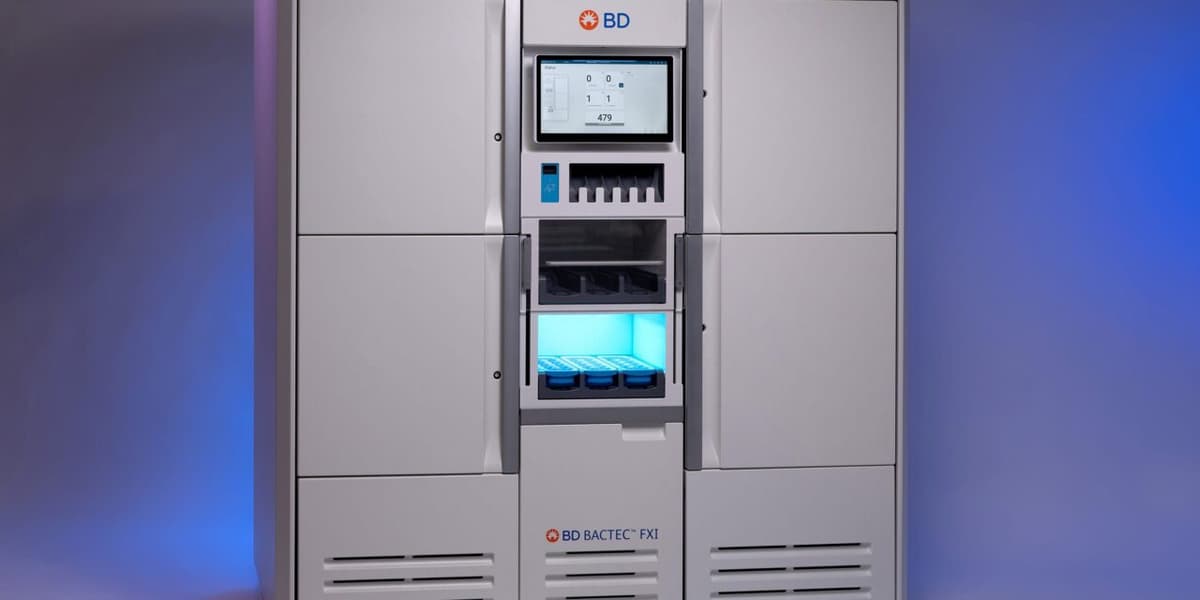
The FDA has granted 510(k) clearance to the BD BACTEC FXI Culture System, a fully automated blood culture platform that detects bloodstream infections approximately three hours faster than its predecessor. Waters Corp, which announced the clearance, can now commercialize the system across US microbiology laboratories.
Clinical study data showed the new system reduced mean time to detection from 20 hours to 17 hours—a 15% improvement over the previous-generation BD BACTEC FX Blood Culture System. This acceleration directly impacts patient outcomes in sepsis cases, where each hour of delayed treatment increases mortality by 3.6% to 9.9%, according to the company.
Why It Matters
Sepsis remains one of the leading causes of hospital deaths, and diagnostic speed determines whether clinicians can administer targeted antimicrobial therapy before organ damage becomes irreversible. Shaving three hours off detection time means pathogen identification and Gram stain results become available sooner, fundamentally changing the treatment timeline in acute care settings where every hour carries measurable mortality risk.
Reducing Pre-Analytical Variability
Beyond speed, the BD BACTEC FXI introduces automated gravimetric measurement to verify blood volume in each culture vial. This objective confirmation addresses a persistent source of diagnostic error—inadequate blood collection—which can lead to false negatives and delayed detection. By automating volume verification, the system aims to enforce adherence to recommended collection practices and reduce pre-analytical variability that undermines test accuracy.
"Recent evidence-based laboratory guidelines document the beneficial clinical impact of rapid laboratory results for the detection of bloodstream infections," said Donna M. Wolk, PhD, division chief of molecular and microbial diagnostics at Geisinger Medical Laboratories. "Reducing the time to detection for positive results is key to improving the availability of Gram stain and other tests, on which treatment decisions are based."
High-Throughput Automation
Designed for laboratories processing large volumes of blood cultures, the system fully automates vial loading, unloading, incubation, and detection alerts. It can load up to 60 vials simultaneously and is available in configurations supporting 480 or 960 total vials. This automation increases staff walk-away time and reduces manual intervention in high-volume settings.
Jianqing Bennett, senior vice president of Waters Advanced Diagnostics, noted the system "helps laboratories support earlier clinical decisions for patients with suspected sepsis and bloodstream infections when every hour matters."
The BD BACTEC FXI previously received CE marking under the European Union In Vitro Diagnostic Regulation and licensing from the Japan Pharmaceuticals and Medical Devices Agency, making it available in Europe and Japan before the US clearance.
These details were first reported by Automation Watch.
This is an original analysis by the Omega editorial team. Source reporting: Automation Watch.
Want systems like this working for your business?
Book a Call
