Fairfax County faces pushback on AI license plate cameras
Privacy advocates demand removal of Flock surveillance system despite police claims of solving 1,700+ felonies.
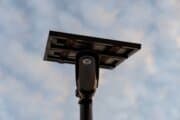
Privacy concerns mount over surveillance technology
Fairfax County police are defending their use of AI-powered license plate readers after a newly formed watchdog organization called for their immediate removal, citing privacy violations and potential misuse of driver data collected without warrants.
DeFlock Fairfax, the advocacy group leading the challenge, argues the cameras create a mass surveillance infrastructure that tracks residents' movements and shares information with federal agencies. The organization plans to host a public forum next week examining what it calls civil liberties violations inherent in the technology.
Why it matters
The debate in Fairfax County reflects a national reckoning over how law enforcement agencies balance investigative tools with privacy protections. As police departments adopt AI-enhanced surveillance at scale, the lack of transparency around data retention and sharing practices raises questions about oversight that extend beyond traditional partisan divides. Recent suspensions of similar programs in Los Angeles and Denver signal growing scrutiny of these systems.
Federal access and tracking concerns
Matthew Lofgren, a lead organizer with DeFlock Fairfax, pointed to specific concerns about Immigration and Customs Enforcement gaining access to over 80,000 cameras nationally. He told WTOP that the technology has been used to monitor protesters exercising First Amendment rights and to track attendees at gun shows, issues that resonate across the political spectrum.
"While ICE might be perceived as a left-wing concern, I've found broadly that people on the right and the left really have a lot of concerns with these cameras," Lofgren said.
Data retention and transparency gaps
Virginia passed legislation last year requiring a 21-day retention limit for license plate reader data. Fairfax County police stated they voluntarily adopted this practice before the law took effect last summer.
However, Lofgren questioned the department's compliance, noting that the law exempts Flock data from Virginia's Freedom of Information Act. "It's impossible to tell if FCPD is violating the law or not," he said.
Police defend program's effectiveness
The Fairfax County Police Department responded with data demonstrating the technology's investigative value. According to the department, the license plate readers have helped recover more than 549 stolen vehicles valued at nearly $10 million, supported over 1,700 felony charges, recovered 65 firearms, and located 57 missing people.
In a written statement, the department emphasized its proactive approach to safeguards: "Many of the safeguards now being discussed or recommended nationally, were incorporated into FCPD's program proactively."
Fairfax County expanded its license plate reader program in 2022 using cameras from Flock, a vendor whose systems DeFlock Fairfax has identified at more than 100 locations across the county.
Lofgren acknowledged the cameras have aided investigations but maintained that potential abuses outweigh the benefits. "I often say that if the Founding Fathers knew that the government was keeping track of everybody's horse and buggy, they would have added that to their list of grievances against the king," he said.
These details were first reported by WTOP.
This is an original analysis by the Omega editorial team. Source reporting: AI Watch.
Want systems like this working for your business?
Book a Call
