Automation
Factory automation must serve operators, not replace them
JTEKT's digital transformation lead explains why understanding worker needs beats technology selection when introducing robots to existing plants.
Key takeaways
- An operator's feedback on an AMR pilot taught JTEKT that walking across the factory was valuable to her, not wasted time to eliminate.
- Collins advocates for automation designed around operator needs rather than trying to make workers conform to technology.
- Technology pilots should run four to eight weeks with clear objectives and predetermined decision points to avoid endless testing.
- Speech-to-text and digital tools can help capture retiring technicians' practical knowledge before it leaves the workforce.
- Scaling from pilot to full deployment requires different planning than initial trials, especially for consistent training across facilities.
Operators know what they need
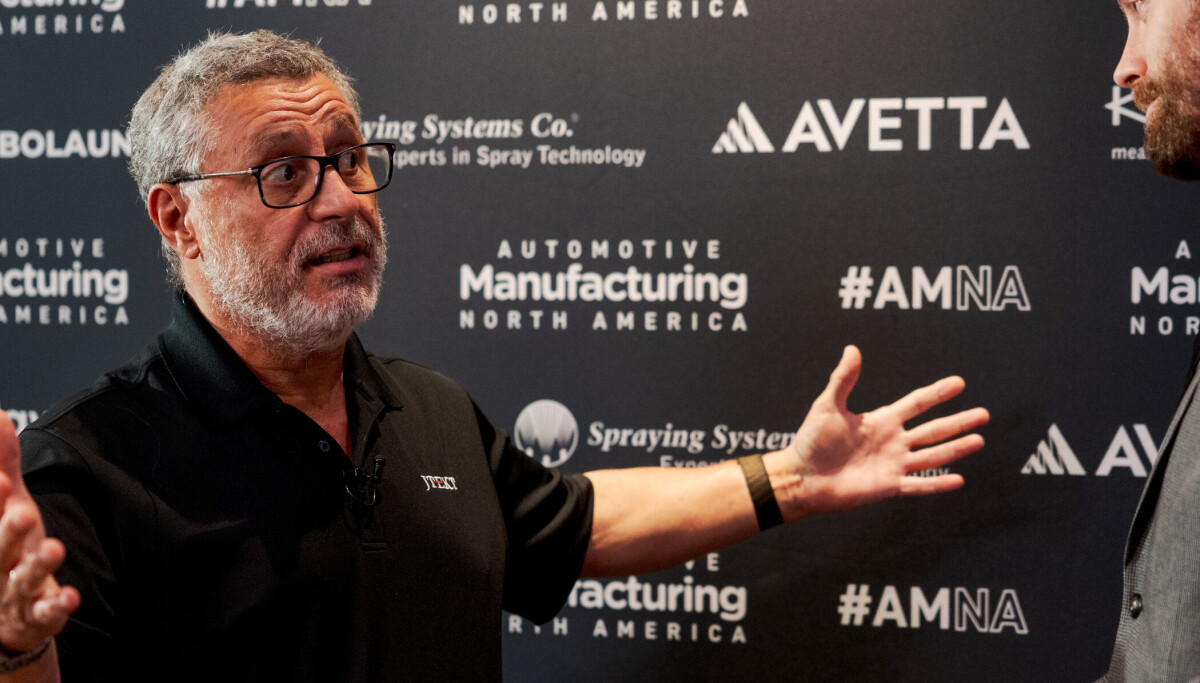
When JTEKT North America piloted autonomous mobile robots on its factory floor, the technology promised to eliminate unnecessary walking for operators. But one worker pushed back, explaining that walking across the plant was actually the best part of her day. That moment reshaped how Gus Collins, Senior Manager of Manufacturing Digital Transformation at JTEKT, thinks about automation.
Speaking at Automotive Manufacturing North America 2026, Collins outlined a principle that challenges conventional automation thinking: manufacturers should not try to turn people into robots. Instead, automation must be designed around operator needs, especially in brownfield facilities where space constraints and established workflows limit what can change.
Why it matters
As manufacturers rush to deploy robotics and digital tools, many focus on technical capabilities rather than human impact. JTEKT's experience shows that automation projects fail when they ignore how people actually work—and that operators often understand their own needs better than engineers designing solutions from a distance.
Capturing knowledge before it walks out the door
Beyond robotics, Collins addressed a pressing challenge: preserving manufacturing knowledge as experienced workers retire. He pointed to digital tools, including speech-to-text technology, as potential solutions for capturing the practical expertise of maintenance technicians. Making this knowledge accessible to colleagues could improve repair speed and effectiveness across facilities.
The approach reflects a broader shift from viewing workers as problems to solve toward treating them as knowledge assets worth preserving.
Shorter pilots, clearer decisions
Collins warned against allowing technology pilots to drag on without focus. He advocates for trials lasting four to eight weeks, with dedicated resources, clear objectives, and predetermined decision points. This discipline prevents pilots from becoming permanent experiments that never reach production scale.
Moving from successful pilot to full deployment presents distinct challenges, particularly when plants need consistent processes and training across their workforces. Collins emphasized that scaling requires different planning than initial testing.
Building internal expertise without vendor lock-in
The interview also covered JTEKT's strategy for developing internal capabilities in emerging technologies while avoiding dependence on individual vendors. Collins discussed approaches to measuring digital transformation value and maintaining flexibility as technology options evolve.
For brownfield manufacturers facing similar constraints, the message is clear: successful automation starts with understanding people, not just technology specifications. The most sophisticated robot delivers no value if it solves a problem operators do not actually have.
These details were first reported by Automotive Manufacturing Solutions, which conducted the interview at AMNA 2026.