FAA deploys $875M AI system to manage U.S. airspace
SMART platform launches at three Washington-area airports as part of broader modernization effort, despite union skepticism and staffing concerns.
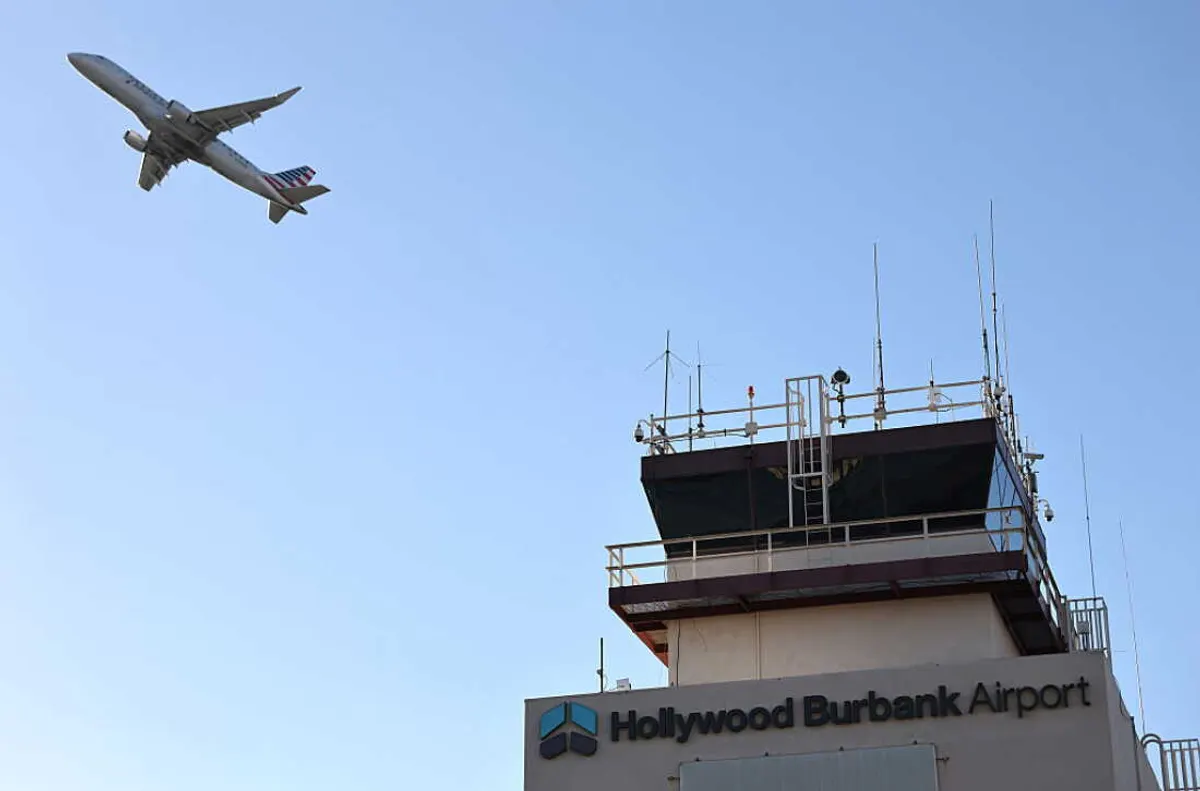
The Federal Aviation Administration has officially deployed an artificial intelligence system designed to optimize how the nation's airspace is managed, beginning with a rollout at three major airports serving the Washington, D.C. region.
The $875 million software platform, called Strategic Management of Airspace, Routes and Trajectories (SMART), went live Monday as part of a broader $12.5 billion modernization of U.S. air traffic control infrastructure.
How the system works
SMART analyzes all scheduled airline flights alongside real-time data on weather, wind patterns, and other variables to adjust flight schedules and reduce airspace congestion before conflicts arise. The system aims to prevent bottlenecks rather than simply react to them.
"By fundamentally reshaping how we manage our airspace and preventing problems before they happen, SMART will slash those frustrating delays, reduce stress on air traffic controllers, and lower travel prices," Transportation Secretary Sean Duffy said in a statement.
FAA administrator Bryan Bedford told a Senate hearing earlier this year that current traffic management is "chaotic" and that the agency needs better tools rather than allowing airlines to schedule flights without coordination.
The FAA contracted Air Space Intelligence, a relatively small firm that has built AI-enhanced software for airline dispatchers at carriers including Alaska Airlines, to develop the system. This marks the company's largest and most visible project to date.
Why it matters
The SMART deployment represents one of the most significant technology investments in U.S. aviation infrastructure in decades, but it arrives amid persistent staffing shortages that critics say no software can solve. The FAA remains thousands of certified controllers short of full capacity, forcing mandatory overtime and difficult schedules. Whether AI optimization can deliver meaningful improvements without addressing the human workforce crisis will test the limits of technology-driven solutions in safety-critical systems.
Controllers and unions express caution
FAA and Transportation Department officials emphasized that SMART is designed to assist human air traffic controllers, not replace them. Controllers will retain final authority over aircraft separation and safety decisions.
Dave Riley, a former air traffic controller who retired in 2020 after more than two decades with the FAA, characterized the system as "another tool in the toolbox" rather than a transformative breakthrough. He dismissed concerns about the AI system malfunctioning, noting that human controllers maintain ultimate control.
However, Riley questioned whether SMART would address the air traffic control system's fundamental challenge: a severe staffing shortage that forces controllers to work extended overtime.
The National Air Traffic Controllers Association, the union representing controllers, issued a cautious statement noting it "has not been involved in the design, testing, or implementation of SMART and therefore cannot speak to its effect on the air traffic control workforce at this time."
Airlines for America, the trade group representing major U.S. carriers, offered praise for the initiative, calling it "one of the most exciting and bold initiatives taken on by the FAA in decades" with potential to strengthen safety, increase capacity, and improve efficiency.
These details were first reported by NPR.
This is an original analysis by the Omega editorial team. Source reporting: AI Watch.
Want systems like this working for your business?
Book a Call