Startups
Ex-UW AI Researchers Raise $110M for Noeri's Multi-Model Platform
Yejin Choi and Carlos Guestrin's startup helps companies optimize AI workflows across multiple models rather than relying on a single provider.
Key takeaways
- Noeri raised $110 million led by Menlo Ventures to build AI systems that optimize workflows across multiple models rather than relying on a single provider.
- The platform analyzes company data and proposes changes to instructions, tools, and model selection, with each change requiring human approval.
- A smaller model Noeri built for Stanford researchers unexpectedly outperformed GPT-5 on specific research tasks while using older, cheaper OpenAI models.
- Co-CEOs Yejin Choi and Carlos Guestrin argue against AI centralization, comparing single-model dependence to relying on a consultant who also advises competitors.
- Guestrin previously founded Turi (acquired by Apple) and developed XGBoost; Choi is a MacArthur Fellow who led AI2's common-sense reasoning research.
Former UW AI leaders launch Noeri with major backing
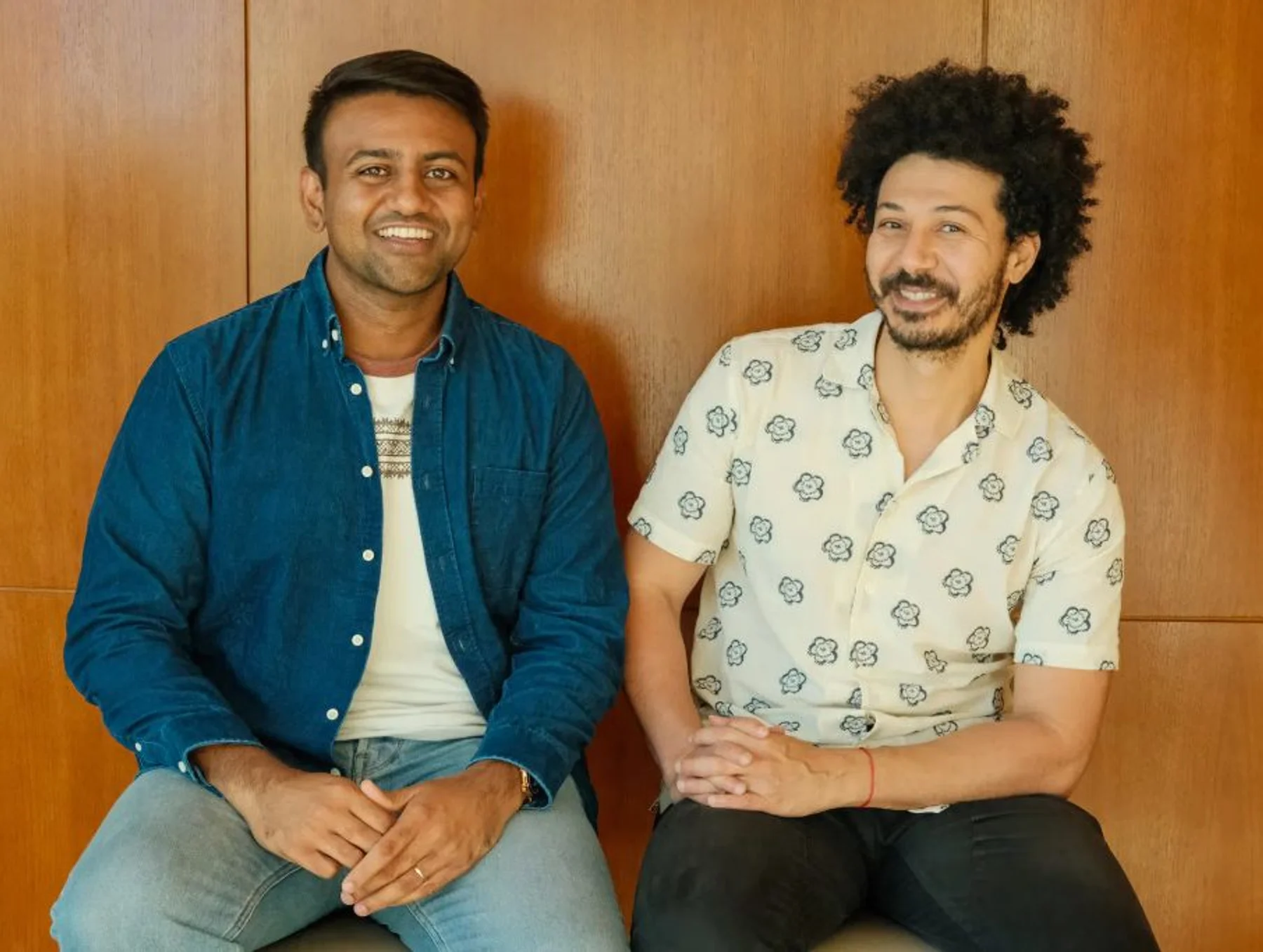
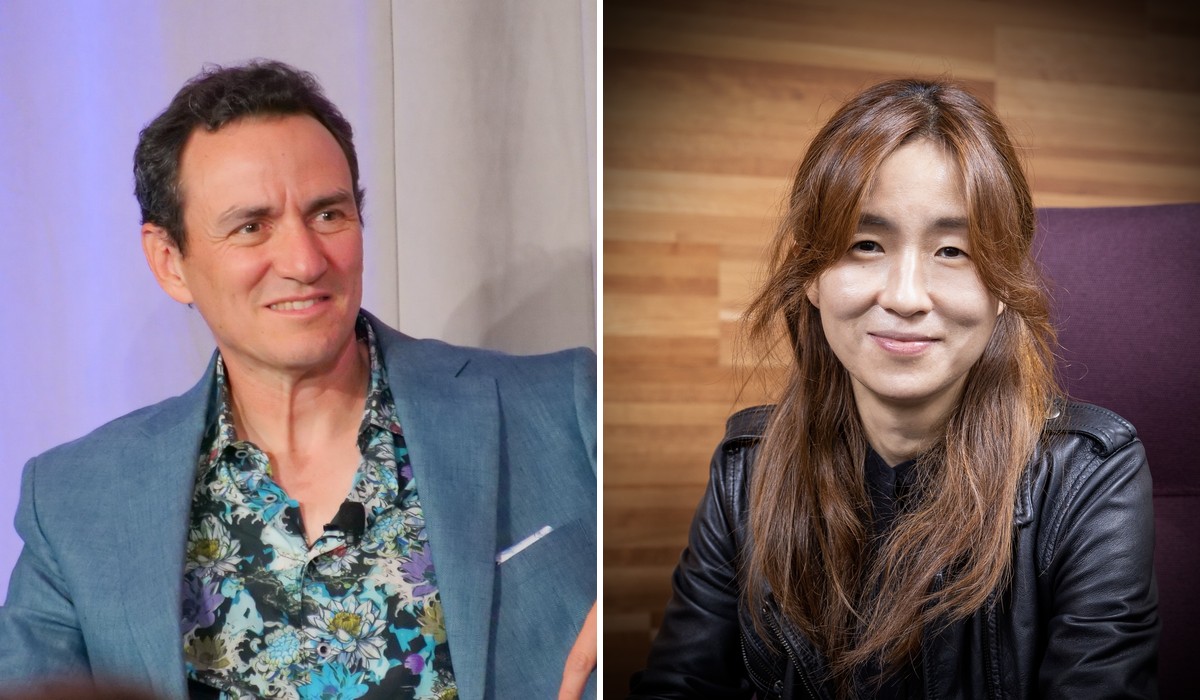
Yejin Choi and Carlos Guestrin, two AI researchers who built their reputations at the University of Washington before moving to Stanford, have secured $110 million in funding for Noeri, a startup focused on helping companies optimize AI systems across multiple models.
Menlo Ventures led the round, joined by Seattle-based Madrona, Kindred Ventures, Wing Venture Capital, and NEA. Strategic investors include Cisco Investments, Nvidia, and Snowflake. Bloomberg first reported the funding on Monday, though the company's valuation was not disclosed.
How Noeri's platform works
Noeri's software analyzes a company's existing data and workflows, then recommends specific improvements: adjusting instructions, selecting appropriate tools, determining which model should handle each step, and in some cases modifying the models themselves. Each proposed change includes an explanation and requires human approval, similar to a code review process.
The platform works with both closed and open-weight models. Companies retain ownership of the workflows and models they develop, subject to any third-party model licenses.
The concept emerged from work helping a Stanford microbiology and immunology team reduce costs when using OpenAI's models. The smaller model they built learned to leverage older OpenAI models and unexpectedly outperformed GPT-5 for that team's specific research requirements, Choi told Bloomberg.
Why it matters
Noeri addresses a practical tension many companies face: paying premium prices for the most capable AI models versus accepting weaker performance from cheaper alternatives. By optimizing workflows across multiple models, the startup offers a third path that could reduce vendor lock-in and give companies more control over their AI infrastructure. The approach challenges the assumption that businesses need to rely on a single, increasingly powerful model from one provider.
The case against AI centralization
The company's name means "intelligence, in the plural," reflecting the founders' opposition to a future dominated by one powerful model. Guestrin argued at Madrona's IA40 Summit in late September that intelligence shouldn't be controlled by one or two companies that own the models.
"Few companies would build their core operations on a single consultant who also advises every competitor, can change its terms at will, and can never be brought in-house," Choi and Guestrin wrote in an essay accompanying the launch. "A single, centralized AI offers exactly that arrangement."
Founders bring deep AI credentials
Guestrin developed XGBoost, a widely adopted machine learning tool, and co-founded Turi (previously known as GraphLab and Dato), a Seattle startup that Apple acquired in 2016. He later led Apple's central machine learning and AI organization.
Choi, a 2022 MacArthur Fellow, directed common-sense reasoning research at the Allen Institute for AI before leaving UW and AI2 in 2024 to join Nvidia as a distinguished scientist. She started Noeri in May and joined Stanford's faculty in early 2025. The two serve as co-CEOs.
Noeri operates from Palo Alto with an office in Zurich. The company faces competition from other model-tailoring services, including Thinking Machines Lab's Tinker and Applied Compute, according to a July report in The Information.
Details were first reported by Bloomberg.