EPA Proposes Eliminating Public Comment on Data Center Projects
A regulatory change would let states approve new AI infrastructure without mandatory community input periods.
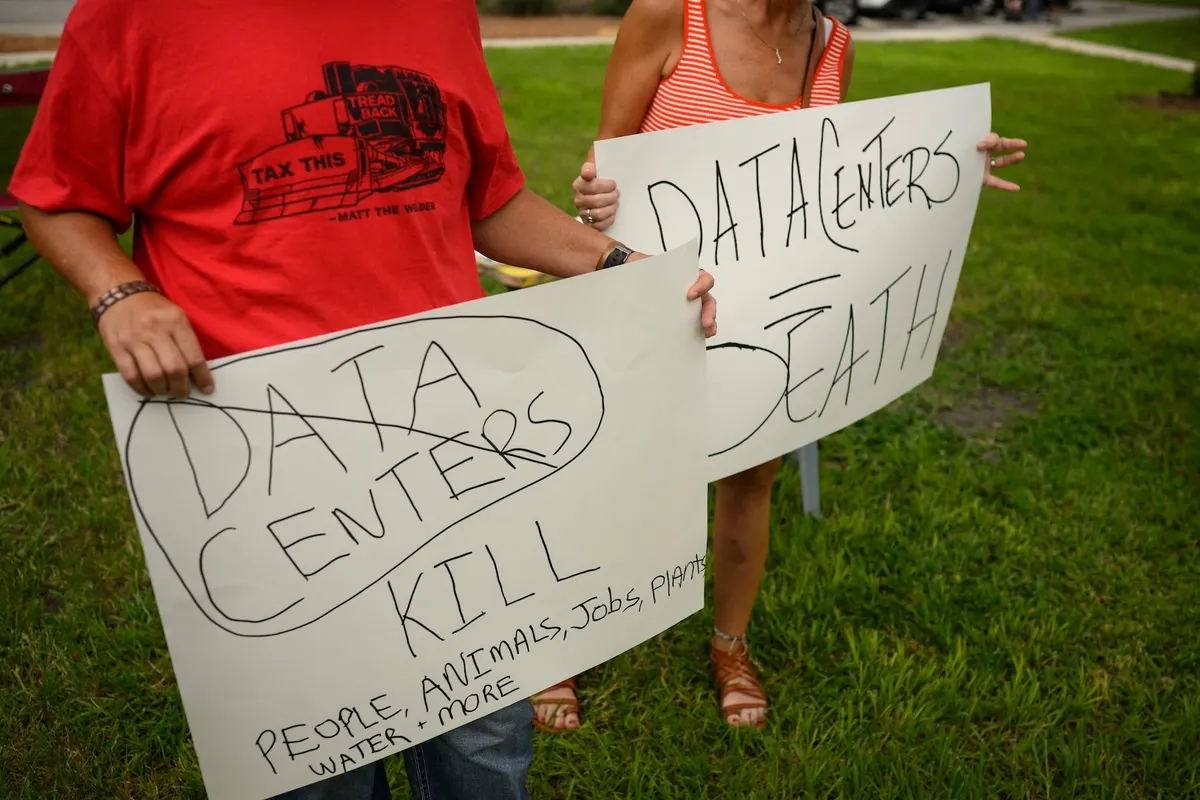
The Environmental Protection Agency has proposed eliminating a longstanding requirement that communities receive advance notice and comment opportunities before new data centers receive construction permits. The change would remove a mandatory 30-day public feedback window that has been standard practice under the Clean Air Act since 1970.
The proposal applies to facilities the EPA classifies as "minor sources" of air pollution—those emitting less than ten tons of hazardous air pollutants annually. This category includes data centers and steel mills, despite their cumulative environmental impact. According to Financial Times analysis cited in the original reporting, the sixty largest data centers currently under construction will collectively emit approximately 101.5 million tons of carbon dioxide per year once operational.
Why it matters
This regulatory shift arrives as communities nationwide push back against data center development in their regions, citing concerns about energy consumption, rising utility costs, and environmental degradation. The proposal effectively prioritizes speed of AI infrastructure deployment over local input, reflecting the administration's framing of AI development as a national security imperative in competition with China. The change could fundamentally alter how industrial projects interface with the communities they affect.
Opposition from states and advocacy groups
Attorneys general from more than a dozen states, plus Washington D.C., New York City, and Chicago, submitted a letter opposing the proposal on Monday. Nearly two hundred advocacy organizations have also registered opposition.
The Southern Environmental Law Center argued in its public comment that the existing requirement "reflects the reality that public review improves permitting decisions by identifying underestimated emissions, inadequate pollution limits, insufficient air-quality-impacts analyses, and other errors before construction begins."
The administration's rationale
The EPA framed the change as reducing administrative burden and empowering local decision-making. The agency stated the approach would "responsibly speed up permitting, supporting American economic development and energy dominance" while putting "state and local agencies most familiar with local issues in the driver's seat."
President Trump has characterized community opposition to data centers as misinformation, claiming "smart communities" would welcome the facilities for job creation. He and some Republican lawmakers have suggested foreign adversaries are orchestrating public resistance, though no evidence for this claim has been presented. While some data centers do create jobs, research indicates the employment growth is modest and may be offset by increased energy costs and housing prices in affected areas.
These details were first reported by Gizmodo.
This is an original analysis by the Omega editorial team. Source reporting: AI Watch.
Want systems like this working for your business?
Book a Call
