Emerald AI Raises $150M to Solve Data Center Power Grid Strain
NVIDIA and Digital Realty back startup's plan to coordinate AI workloads with electricity demand, with Virginia facility expected later this year.
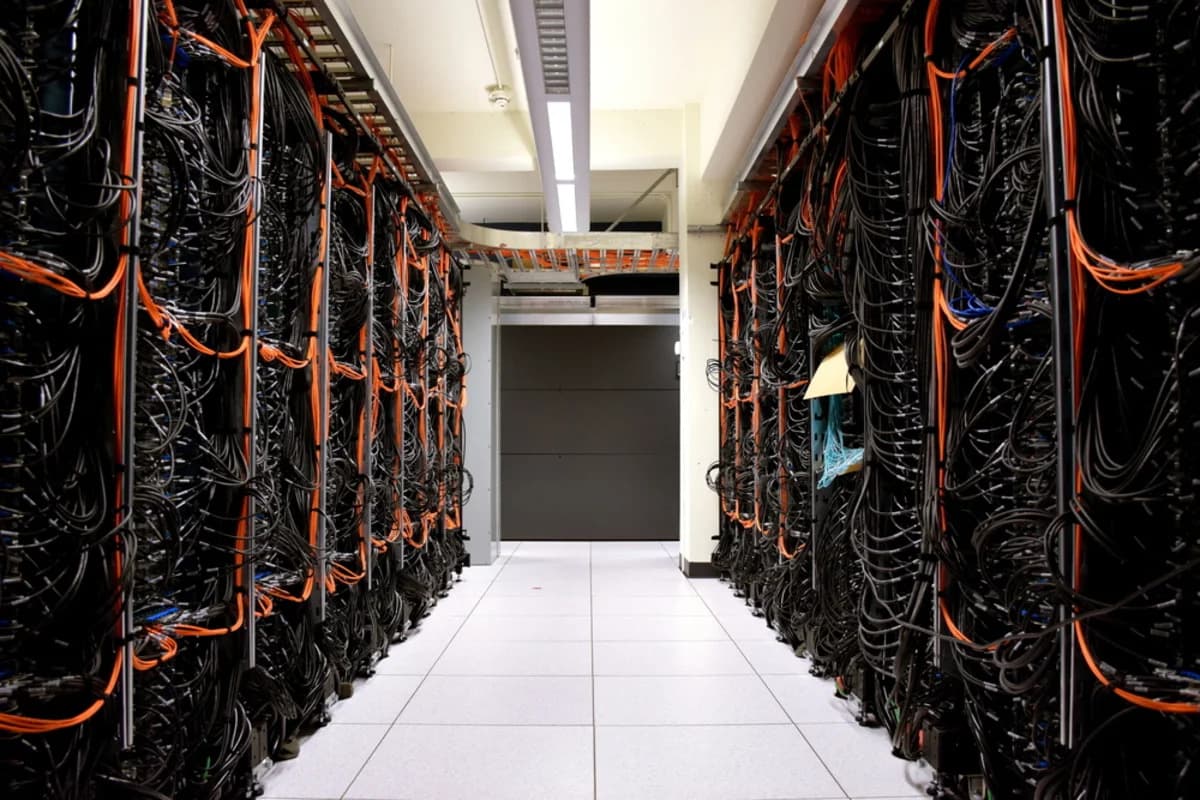
Emerald AI targets power constraints with flexible infrastructure
Emerald AI announced $150 million in financing on August 25 to address a challenge facing AI infrastructure operators: running compute-intensive workloads within the limits of existing power grids. NVIDIA Corporation and Digital Realty Trust are among the investors backing the startup's approach to coordinating data center electricity consumption with grid availability.
The funding will support commercial expansion of technology that adjusts computing workloads and onsite energy resources when electrical grids face strain. Emerald is developing a nearly 100-megawatt research facility in Manassas, Virginia, with NVIDIA and Digital Realty, now expected to come online later this year. An earlier October 2025 announcement had targeted the first half of 2026 for the facility's launch.
Technical approach combines orchestration with NVIDIA infrastructure
Emerald's system uses orchestration technology alongside NVIDIA's software and infrastructure controls to modulate a facility's electricity draw during periods of grid stress. For NVIDIA, successful deployments could remove a practical barrier to customers installing and operating its systems at scale, supporting demand through improved infrastructure availability rather than through capital deployment alone.
The company reports it has already achieved commercial deployment at an entire California data center, demonstrating the concept works in practice. However, that deployment does not establish the economics of the Virginia project or prove the approach scales broadly.
Why it matters
Power availability has emerged as a binding constraint on AI infrastructure expansion. Data centers running advanced AI models require substantial electricity, and grid capacity in many regions cannot accommodate rapid buildout. Solutions that allow facilities to flex their consumption without disrupting critical workloads could unlock stranded computing capacity and accelerate deployment timelines. The test is whether demand response preserves the performance customers require—a system that cuts power draw by interrupting valuable work offers limited commercial appeal.
Different value propositions for each participant
Digital Realty's interest centers on helping customers access power and operate reliably, potentially strengthening the competitive position of its facilities. For a data center REIT, faster or more effective infrastructure utilization can improve returns on deployed capital. The project announcement, however, provides no quantified earnings impact for Digital Realty.
Similarly, Emerald's financing does not represent a new order value for NVIDIA. The companies participate in a shared technical effort but receive distinct financial benefits depending on how the technology scales and where value accrues.
Historical ownership data shows 285 hedge funds held NVIDIA in Q2 2026 compared to 275 in Q1, while Digital Realty holders increased from 46 to 73. Ken Fisher's firm held NVIDIA positions, and Andreas Halvorsen's Viking Global held Digital Realty before the August financing round.
Details of the financing and facility timeline were first reported by AI Watch.
This is an original analysis by the Omega editorial team. Source reporting: AI Watch.
Want systems like this working for your business?
Book a Call