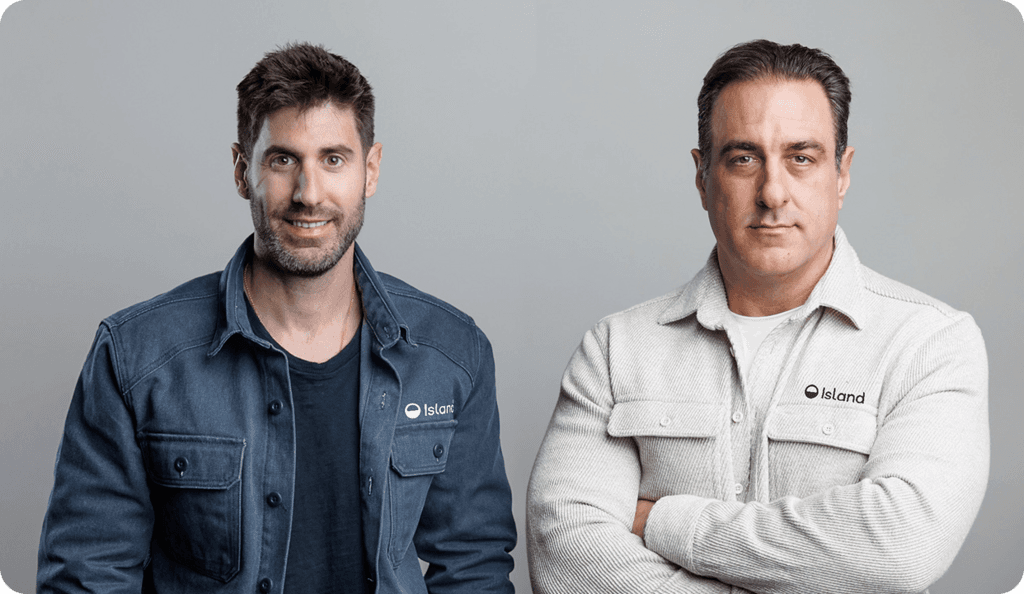
Developer Builds Open-Source Tool to Strip AI Watermarks in Hours
Paris-based founder Guillaume Meyer created a viral watermark removal project to challenge Anthropic's invisible detection system, sparking debate about AI content labeling.

Developer challenges AI watermark approach with rapid open-source response
A Paris-based tech entrepreneur has ignited controversy by building and releasing an open-source tool that removes invisible AI watermarks in just hours after Anthropic announced its watermarking system. Guillaume Meyer, who has over 20 years in the tech industry, published the first version of "Watermarks Remover" on GitHub following his research into how AI watermarking technology functions.
Meyer's second post about the project on X (formerly Twitter) on August 11 generated more than 2 million impressions, with the tool gaining additional viral traction on LinkedIn and other platforms. The unexpected attention forced Meyer to create new social media accounts simply to track the conversation surrounding his work.
How the removal tool works
The watermark removal system exploits a fundamental characteristic of statistical watermarking. Text watermarks rely on patterns in word selection, so Meyer's tool checks for watermark presence, generates slight text variations that preserve meaning, rechecks for the watermark, and iterates until the statistical pattern is disrupted. The same logic applies to image watermarks, but operates on pixels instead of words.
Meyer assembled the initial version in approximately five hours, drawing on his previous experience working with open-source AI models at a former startup. While the architecture served a different purpose in that venture, the underlying logic translated directly to the watermark removal challenge.
Why it matters
Meyer's project exposes a critical tension in AI regulation: watermarking systems designed to identify AI-generated content may create more problems than they solve. Statistical detection methods can produce false positives that affect human creators who use AI assistance tools. A researcher who uses AI to revise a single line in a 10-page paper could see the entire document flagged as AI-generated. Non-native English speakers who rely on AI-powered tools like Grammarly for grammar checking face the prospect of having all their work labeled as artificial, regardless of actual authorship. The viral reception suggests widespread concern about these unintended consequences among technology users and creators.
Technical limitations and ongoing development
Meyer emphasizes the tool remains imperfect and requires continued development. He anticipates months of work ahead, particularly as Anthropic and other companies release updated detection systems. Since going viral, contributors from around the world have joined the project, though Meyer handled the intense initial days largely alone.
The project's GitHub repository explicitly states the tool is intended for users' own content and educational purposes, not for impersonation or content theft. Meyer reports that 99.9% of responses have been positive, though a small fraction criticize his work. He stresses his opposition targets the watermarking technique itself, not the goal of content attribution.
Meyer is now exploring whether he can legally transform the open-source project into a commercial product. The current tool requires technical expertise to use correctly, creating an opportunity for a simplified commercial version. As an entrepreneur, he views business development as a natural evolution, though timing and approach remain uncertain.
This account is based on an as-told-to essay with Guillaume Meyer, first reported by Business Insider.
This is an original analysis by the Omega editorial team. Source reporting: AI Watch.
Want systems like this working for your business?
Book a Call