Enterprise
Dell's Agentic Data Gateway targets enterprise AI accuracy gap
New semantic layer and knowledge graph features aim to lift agent performance from 60% to 94% by controlling data context and lineage.
Key takeaways
- Dell's Agentic Data Gateway sits between AI agents and enterprise data, providing a single control point that improved accuracy from 60% to 94% in internal testing.
- The platform uses metadata rather than requiring full data consolidation, allowing enterprises to keep data distributed across edge, cloud, and on-premises environments.
- Dell OpenManage Rack Scale extends management to network fabric, power, and cooling, reducing deployment time from months to six hours.
- More than 6,500 customers now use the Dell AI Factory, with growing demand from core enterprises moving AI into production.
- Data intelligence features track lineage and provenance while maintaining security boundaries and human oversight requirements.
Dell addresses the enterprise AI context problem
Dell Technologies has extended its AI Data Platform with semantic and knowledge graph capabilities designed to solve a critical problem facing enterprise AI deployments: agents that lack trusted, governed access to the data context they need to deliver accurate results.
The centerpiece is the Agentic Data Gateway, which sits in the orchestration layer as a single control point between AI agents and enterprise data systems. According to Srinath Alapati, senior director of product marketing for AI Data Platform at Dell, the company's internal testing shows that providing proper context can lift accuracy from roughly 60% to 94%.
"The bottom line is if you feed the wrong data, you get the wrong outcomes," Alapati said during an interview at SC26, details of which were first reported by SiliconANGLE.
How the gateway enforces data intelligence
The gateway is backed by a Model Context Protocol server and works by maintaining metadata rather than requiring full data consolidation. Storage intelligence tracks what data exists, who owns it, and its size, while the new data intelligence layer adds lineage and provenance tracking.
This architecture allows enterprises to keep data distributed across edge locations, cloud environments, and on-premises data centers rather than moving everything to a central platform. "They want you to bring all the data to wherever the platform is. That's not always possible," Alapati explained. "What we do is we only send metadata. That way your data stays where you want to be."
The approach addresses both cost and operational constraints. Data generation is continuous, making full consolidation an expensive and never-ending process for most organizations.
Infrastructure management extends to the full rack
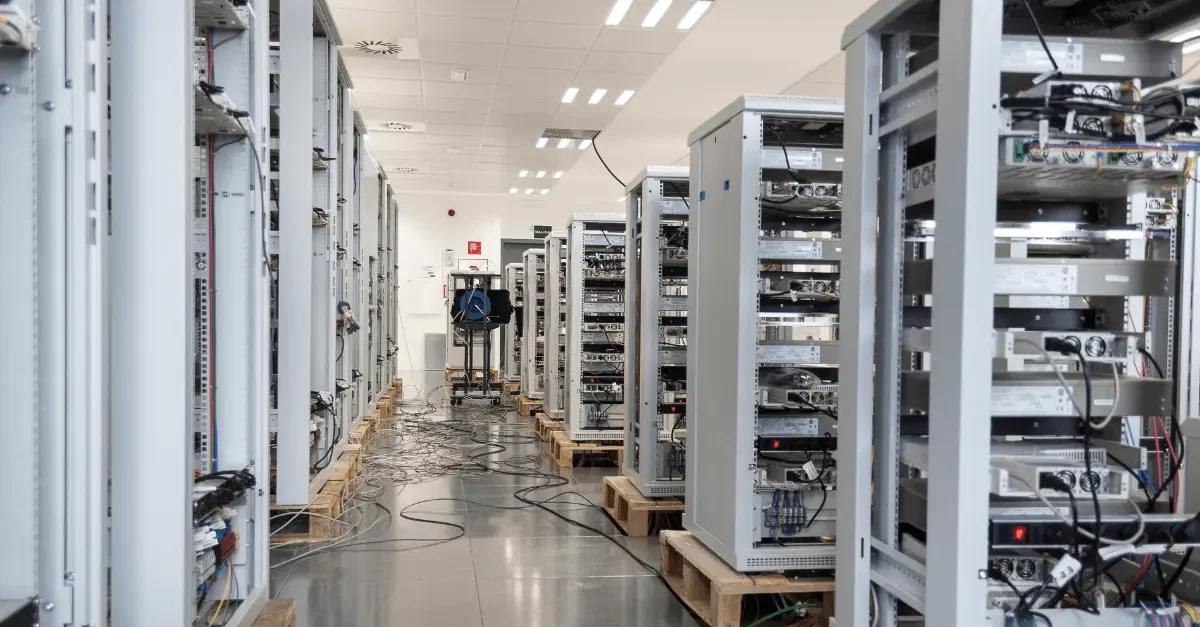
Dell also announced OpenManage Rack Scale, which extends management beyond compute endpoints to include network fabric, power, and cooling. Alison Biers, senior director of product marketing for compute, networking and global industries at Dell, said the system provides a single operational plane from initial deployment through ongoing operations.
A rebuilt, intent-based Dell Fabric Manager replaces the company's SmartFabric Manager, and PowerRack systems treat the entire rack as the deployment unit. "It is literally six hours from the time it hits your loading dock to full production," Biers said. "Something that used to take maybe months and months [is] now cut in half, maybe even less."
Why it matters
Enterprise AI deployments are shifting from proof-of-concept to production, and organizations are discovering that GPU infrastructure alone doesn't deliver value without proper data governance and context management. Dell's approach recognizes that most enterprises can't or won't consolidate all their data into a single platform, making metadata-based orchestration a practical path to giving agents the information they need while maintaining security boundaries and human oversight. With more than 6,500 customers now using the Dell AI Factory, the company is positioning data intelligence as the layer that determines whether AI infrastructure investments actually produce business outcomes.
Adam Glick, senior director of AI solutions product marketing for compute at Dell, noted that validated designs built with partners like Nvidia cover both hardware and the full software stack. "If you've got a factory, compute is your assembly line," Glick said. "But that assembly line doesn't run if you don't have a warehouse that's feeding it the raw materials — that's the data that goes into it."
The details were first reported by SiliconANGLE during coverage of SC26.