Data Centers Turn to PFAS Cooling as AI Demand Soars
Major chemical producers are ramping up 'forever chemicals' production to meet cooling needs from AI infrastructure, raising new environmental concerns.
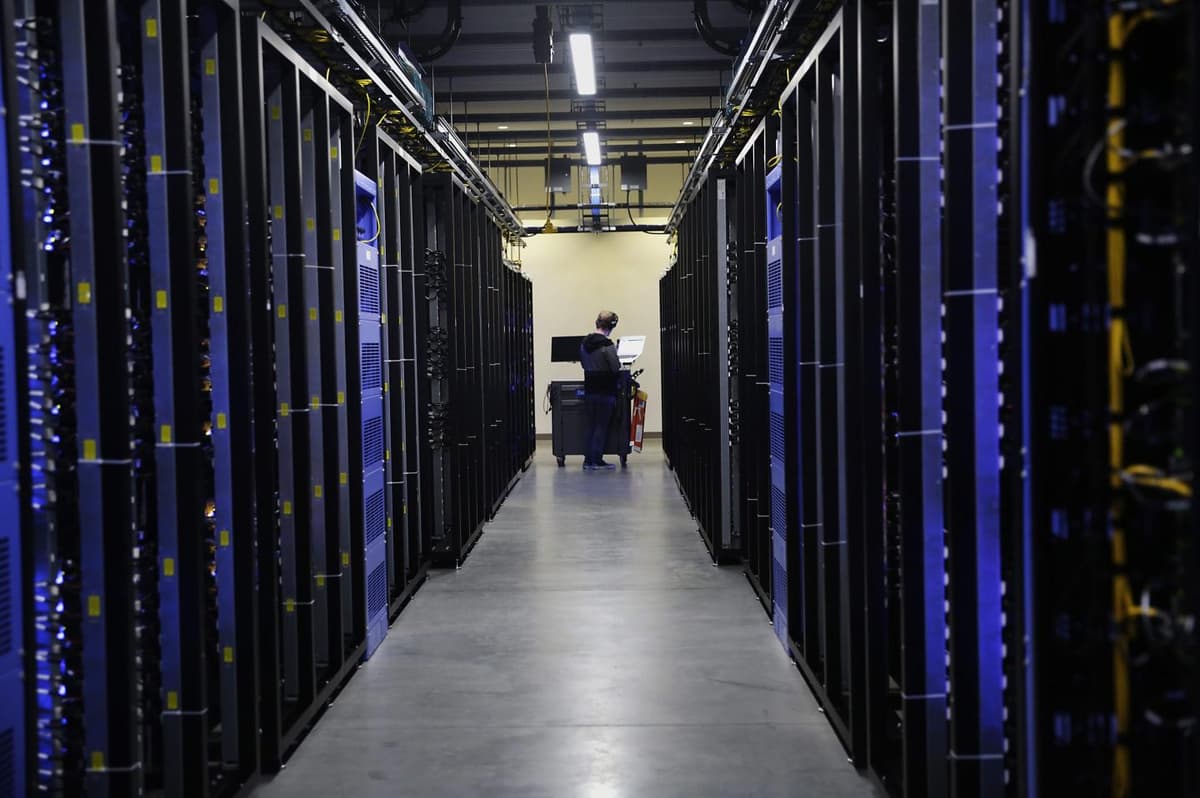
PFAS Production Surges to Cool AI Infrastructure
The artificial intelligence boom is creating an unexpected environmental consequence: surging demand for PFAS, the notorious "forever chemicals" that persist in the environment and human bodies for decades. According to a new report from chemical watchdog ChemSec, the world's largest PFAS manufacturers are expanding production capacity specifically to serve semiconductor and data center industries.
Three major producers—Chemours, Daikin, and Arkema—are leading the expansion. ChemSec's analysis found that demand stems from three primary sources: data center cooling systems, semiconductor manufacturing, and lithium-ion battery materials. The report estimates these companies collectively earned approximately $4 billion in profit during 2022, while PFAS imposes an estimated $17.5 trillion annually in societal costs including healthcare expenses, environmental cleanup, and water contamination.
The Water-to-Chemical Trade-Off
Data centers face mounting criticism over water consumption, prompting operators to adopt alternative cooling technologies. Newer systems increasingly rely on fluorinated chemicals containing PFAS rather than traditional water-based approaches. These substances excel at managing the extreme heat generated by AI computing equipment due to their exceptional thermal resistance.
Chemours produces or uses more PFAS substances than any company tracked in ChemSec's SIN Producers database. The firm is actively developing products for data center cooling while expanding PFAS refrigerant production. ChemSec estimates that between half and two-thirds of Chemours' $5.8 billion revenue derives from PFAS-related activities. Meanwhile, Daikin plans to triple its PFAS capacity responding to semiconductor demand, and Arkema is expanding operations in North America and Asia.
Regulatory Pushback and Industry Response
In July, seventeen environmental organizations petitioned the EPA to reject Chemours' application for expedited approval of Opteon 2P50, a new PFAS compound intended for data center cooling. The groups argued that Chemours underestimated health and climate risks, noting that a single hyperscale data center can contain hundreds of tanks holding tens of thousands of liters of dielectric fluid.
Chemours has defended its approach, stating the system operates as a "closed loop" with minimal gas escape during operation. The company launched new refrigerants in August, with executives emphasizing the need for cooling solutions that match AI's evolving infrastructure demands.
Legal challenges are mounting internationally. French citizens filed a lawsuit in January against Arkema and Daikin involving 192 individuals and four environmental organizations, citing PFAS pollution concerns. Both companies have pledged to defend themselves in court.
Why it matters
Data center construction now represents 46% of private construction activity, up from under 5% a decade ago, with spending jumping from $1.8 billion in 2014 to $41.1 billion last year. As AI drives this expansion, the industry's shift from water cooling to PFAS-based systems creates a troubling trade-off: reducing one environmental impact while potentially amplifying another. National Health and Nutrition Examination Survey data shows PFAS already present in 97% of Americans' blood, and increased production for AI infrastructure could worsen this exposure.
These details were first reported by Fortune, which noted the political dimension as Republicans navigate constituent opposition to data center growth while supporting presidential advocacy for the facilities.
This is an original analysis by the Omega editorial team. Source reporting: AI Watch.
Want systems like this working for your business?
Book a Call