Data Center Projects Face Community Pushback in Southeast Asia
Residents in Malaysia and the Philippines are blocking AI infrastructure plans over concerns about noise, water, and land use.
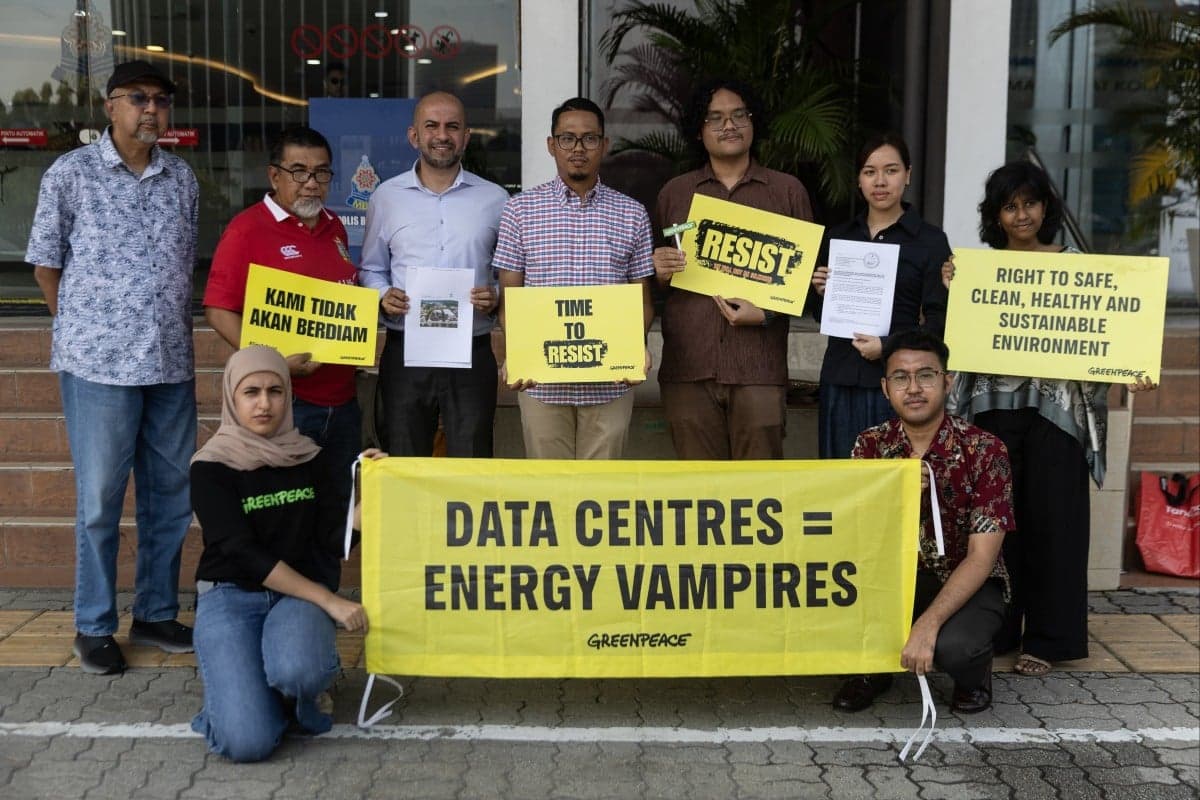
Local opposition halts AI infrastructure plans
Two data center projects designed to support artificial intelligence operations have been withdrawn in Southeast Asia after facing strong community resistance, highlighting a growing tension between regional AI ambitions and local quality-of-life concerns.
In Kota Damansara, Malaysia, residents of Section 9 discovered that vacant land they expected to become retail space would instead house two three-story data center blocks. The Petaling Jaya City Council received approximately 290 objections by July 21, according to AI Watch. Nine days later, the developer's consultant withdrew the application to reassess the site's feasibility.
A similar confrontation unfolded in Oton, a municipality in the Philippine province of Iloilo, where residents and farmers challenged a proposed 50-megawatt AI data center during a public hearing this month. The proponent left the hearing, and local media reported the proposal was withdrawn two days later.
Why it matters
Southeast Asian governments view data centers as gateways to foreign investment and participation in the global AI economy. But these facilities require enormous amounts of electricity and water for cooling, often generating noise and heavy traffic. As nations race to build AI infrastructure, the Malaysian and Philippine cases demonstrate that community acceptance cannot be assumed—particularly when projects arrive in residential areas without adequate consultation. The withdrawals suggest developers may need to prioritize transparency and site selection to avoid costly delays.
The infrastructure-community divide
The objections reflect practical concerns about how data centers affect daily life. Residents question the facilities' impact on noise levels, water consumption, traffic patterns, and whether the land is suitable for such intensive industrial use. These worries stand in sharp contrast to government messaging about digital jobs and economic opportunity.
Data centers supporting cloud computing and AI require substantial power infrastructure and cooling systems, making them fundamentally different neighbors than the retail or office developments communities often expect. The Malaysian case is particularly striking: residents believed they understood the site's future use, only to learn of a completely different plan.
Regional AI expansion meets local reality
Southeast Asia has emerged as a competitive region for data center development as companies seek to expand AI capabilities. Governments across the region have welcomed these projects as symbols of technological progress and economic modernization.
However, the rapid pace of development appears to be outstripping community engagement processes. In both the Malaysian and Philippine cases, residents learned of projects through formal applications rather than early consultation, creating immediate opposition rather than collaborative planning.
The withdrawals in Malaysia and the Philippines may signal a need for developers to reconsider their approach to site selection and community relations. While governments continue to promote data center investment, the projects themselves must navigate local concerns that can halt development regardless of high-level support.
These details were first reported by AI Watch.
This is an original analysis by the Omega editorial team. Source reporting: AI Watch.
Want systems like this working for your business?
Book a Call
