China's Heavy AI Regulation Didn't Stop Its Tech Catch-Up
Beijing imposed far stricter AI rules than Washington is considering, yet Chinese companies still closed the gap with U.S. rivals.
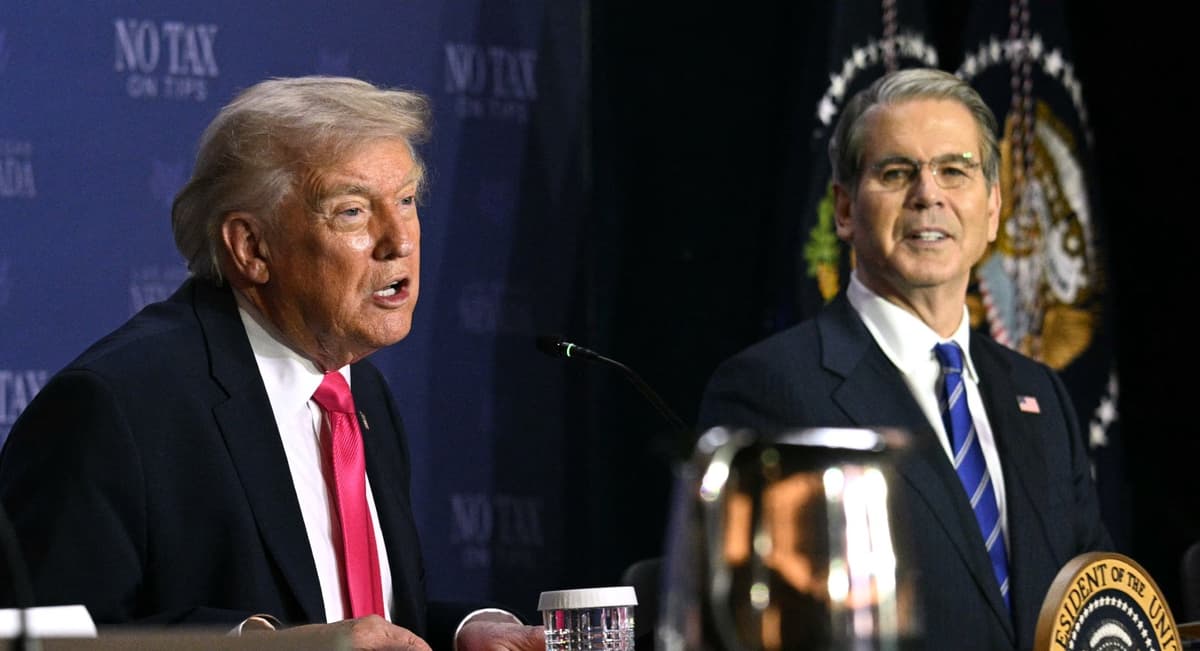
President Donald Trump signed a new executive order on AI Tuesday that establishes voluntary government testing of powerful models thirty days before public release. The order aims to reduce cybersecurity risks while maintaining U.S. competitiveness—a scaled-back version of a proposal canceled two weeks earlier over concerns about hampering American leadership.
Trump's explanation for that earlier cancellation reveals the core tension in AI policy debates: "We're leading China," he told reporters, "and I don't want to do anything that's going to get in the way of that lead."
That reasoning has become the standard objection to AI oversight. But it overlooks a striking counterexample: China has operated under the world's most extensive AI regulations for four years, and during that period Chinese companies largely caught up with their American counterparts.
Why it matters
The assumption that regulation automatically undermines competitiveness drives policy decisions in Washington. China's experience demonstrates that technical fundamentals—talent, capital, and computing resources—matter far more than regulatory frameworks. This reality should inform how U.S. policymakers approach AI governance without reflexively treating all oversight as a competitive handicap.
China's Regulatory Approach
Since 2021, China has rolled out more than half a dozen binding national AI regulations. The most significant came in 2023, targeting generative AI models after ChatGPT's debut. Companies must register models with the government and conduct extensive testing before public release, including answering thousands of questions on politically sensitive topics with at least 90 percent accuracy.
These requirements initially slowed deployment, with some companies waiting months for approval. Yet by early 2025, when DeepSeek released its V3 model, Chinese AI had reached parity with leading U.S. systems—shaking Silicon Valley confidence and erasing hundreds of billions in market value from American tech stocks.
How China Maintained Innovation
China's success under heavy regulation stems from two factors. First, fundamental technical strengths: the country produces more top-tier AI researchers than any nation, and companies like Alibaba possess the engineering resources to build at scale. These structural advantages matter more than policy constraints.
Second, China adopted what officials call a "small, fast, flexible" regulatory philosophy. Rather than comprehensive legislation like the EU's approach, Beijing issued narrow, iterative regulations targeting specific issues. Regulators built flexibility into rules and gained direct experience working with companies, developing sophisticated understanding of the technology through repeated engagement.
Lessons for U.S. Policy
The Commerce Department's Center for AI Standards and Innovation offers a model, with technically skilled staff working directly with companies like OpenAI and Anthropic on security testing. The new executive order's voluntary testing program could expand this kind of sustained, informed engagement.
American companies retain structural advantages: far greater access to capital and computing power than Chinese competitors. Well-designed regulation that verifies company claims and addresses genuine risks need not undermine these advantages. The compliance burdens under serious U.S. consideration remain far lighter than what Chinese companies already navigate.
These details were first reported by the Carnegie Endowment for International Peace in AI Watch.
This is an original analysis by the Omega editorial team. Source reporting: AI Watch.
Want systems like this working for your business?
Book a Call
