$16B AI Data Center Overrides Michigan Township Vote
Local officials blocked the 250-acre project, then faced a lawsuit that forced construction to proceed anyway.
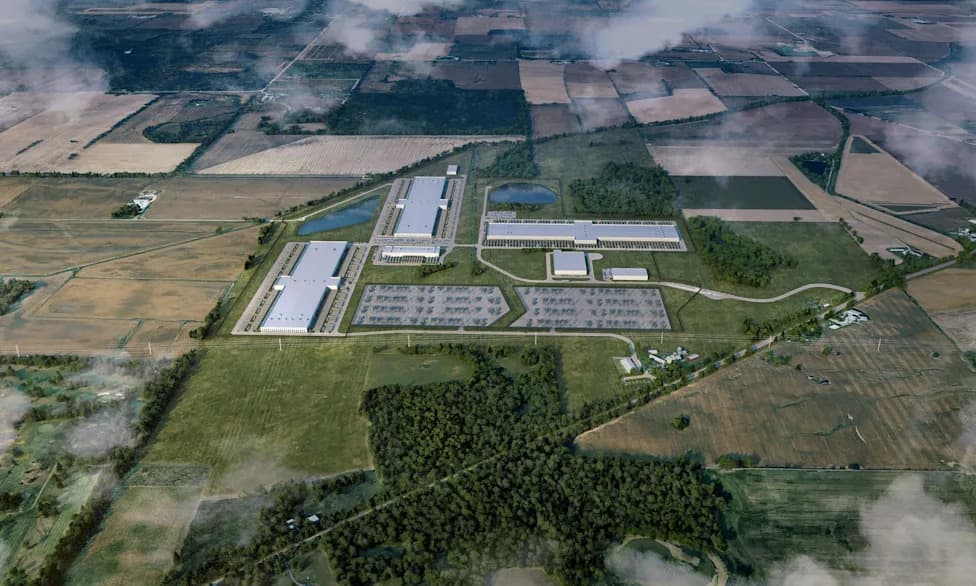
Local opposition meets legal pressure
A $16 billion AI data center project in Saline Township, Michigan, is moving forward despite a local board vote to block it — illustrating the collision between community land-use decisions and the infrastructure demands of the AI industry.
In September, the township board voted 4-1 against the massive development, which would span more than 250 acres of rural farmland. Two days later, the developers and landowners filed a lawsuit against the township. By October, facing the prospect of expensive litigation, local officials reached a consent judgment allowing construction to proceed.
Tammie Bruneau, who helped organize local resistance to the project that AI firms have dubbed "The Barn," said residents wanted to protect agricultural land. "Most people aren't interested in some massive development here," she told The Roanoke Times, which first reported the details. "They're interested in protecting the farmland."
Why it matters
The Saline Township case demonstrates how the infrastructure race behind AI is reshaping the balance of power between tech companies and local governments. What were once straightforward zoning decisions now carry implications for national technology competition, energy policy, and economic development — and the legal and financial resources of major developers can overwhelm small municipalities.
Large data centers bring significant impacts to communities: increased traffic, noise, changes to land values, substantial water consumption for cooling systems, and strain on electrical grids. These facilities require enormous amounts of electricity to train and run AI systems, which can drive up power costs for other users and deplete water resources in affected areas.
For rural communities built around open farmland rather than industrial development, the transformation can be especially jarring. The economic trade-offs — potential jobs and tax revenue versus environmental costs and community character — are rarely distributed evenly, with residents often bearing the burden while companies capture the gains.
What communities can do
Residents and local officials facing similar proposals can demand detailed information about electricity demand, water sourcing, backup power systems, transmission infrastructure upgrades, tax incentive packages, and the actual number of permanent jobs a project will create.
Policymakers at state and federal levels can establish stronger efficiency standards, require cleaner power procurement, mandate comprehensive water management plans, and structure community benefit agreements that ensure local populations share in the upside of development.
According to The Roanoke Times, local opponents have taken their challenge to court. Bruneau noted that resistance to the data center has united people across the political spectrum. "We really just didn't think it was fair that our board got forced into this position," she said. "We've met people from extreme right and left, and all the way in the middle."
The tension playing out in Saline Township is surfacing in communities nationwide as companies race to build AI infrastructure. Whether these projects ultimately benefit or burden their host communities will depend on how power, water, and decision-making authority are allocated in the negotiations ahead.
The details of this case were first reported by The Roanoke Times.
This is an original analysis by the Omega editorial team. Source reporting: AI Watch.
Want systems like this working for your business?
Book a Call
