Canada Proposes Social Media Ban for Under-16s, AI Chatbot Rules
New Digital Safety Act would create enforcement commission with power to fine platforms up to 3% of global revenue.
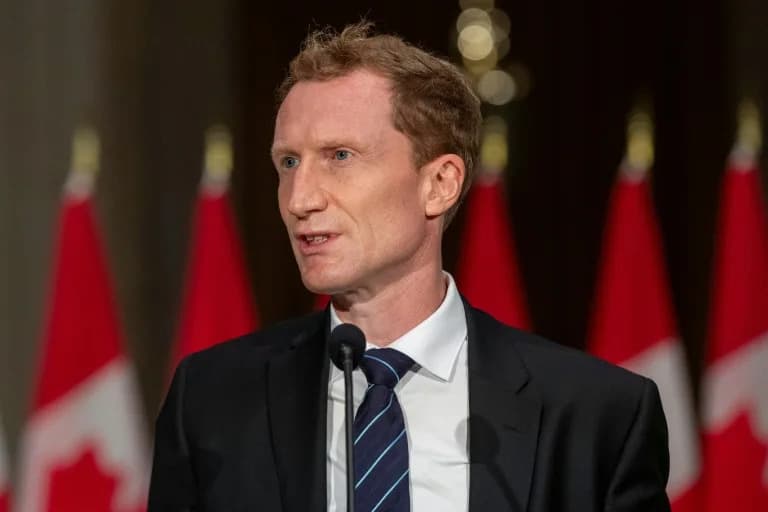
Canada has introduced legislation that would prohibit children under 16 from holding social media accounts while imposing new content safety requirements on AI chatbot services, according to AI Watch.
Culture Minister Marc Miller unveiled the Digital Safety Act on Wednesday, positioning Canada alongside Australia and Indonesia in restricting youth access to social platforms. The proposal includes an exemption mechanism allowing companies to serve younger users if they can demonstrate adequate child protection measures.
Why it matters
The legislation represents one of the most comprehensive national approaches to platform regulation, combining age restrictions with AI oversight and backed by meaningful enforcement powers. The 3% revenue penalty threshold could translate to billions in potential fines for major tech companies, creating genuine compliance incentives that previous regulatory efforts have lacked.
Enforcement and penalties
The law would establish a Digital Safety Commission empowered to levy fines reaching either CAD$10 million or three percent of a company's global revenue for non-compliance—whichever amount is greater.
Social media platforms, including adult content sites, would face obligations to reduce user exposure to harmful content categories and apply clear labels to synthetically generated material.
AI chatbot requirements
Beyond social media restrictions, the legislation targets AI chatbot services with requirements to limit harmful content generation. Companies would need to maintain transparency around crisis reporting thresholds, particularly when users express intent to harm themselves or others.
These provisions follow controversy surrounding a mass shooting in Tumbler Ridge in April that killed nine people. OpenAI had banned the shooter from ChatGPT in June of the previous year due to concerning conversations but did not alert Canadian authorities, stating it saw no evidence of imminent danger.
International context
Canada joins a growing movement of nations implementing youth social media restrictions. Australia became the first country to mandate removal of under-16 accounts from major platforms including TikTok, YouTube, and Snapchat in December, with non-compliant companies facing substantial fines. Indonesia began enforcing similar age restrictions in March.
Several European governments have announced intentions to pursue comparable measures.
Health Minister Marjorie Michel framed the legislation as enabling young Canadians to "connect in-person, build friendships, focus in school, and learn real-world skills."
Sachin Maharaj, an education professor at University of Ottawa, called the proposal "a step towards the right direction," acknowledging social media's connection to behavioral and social issues among youth. However, he noted that determined children will likely circumvent restrictions, emphasizing that "the real challenge is to change the way the apps work."
These details were first reported by AI Watch.
This is an original analysis by the Omega editorial team. Source reporting: AI Watch.
Want systems like this working for your business?
Book a Call
