ByteDance and Alibaba Disable AI Agents Ahead of China Rules
Doubao and Qwen shut down customizable chatbot personas as Beijing's regulations on humanlike AI interaction take effect July 15.
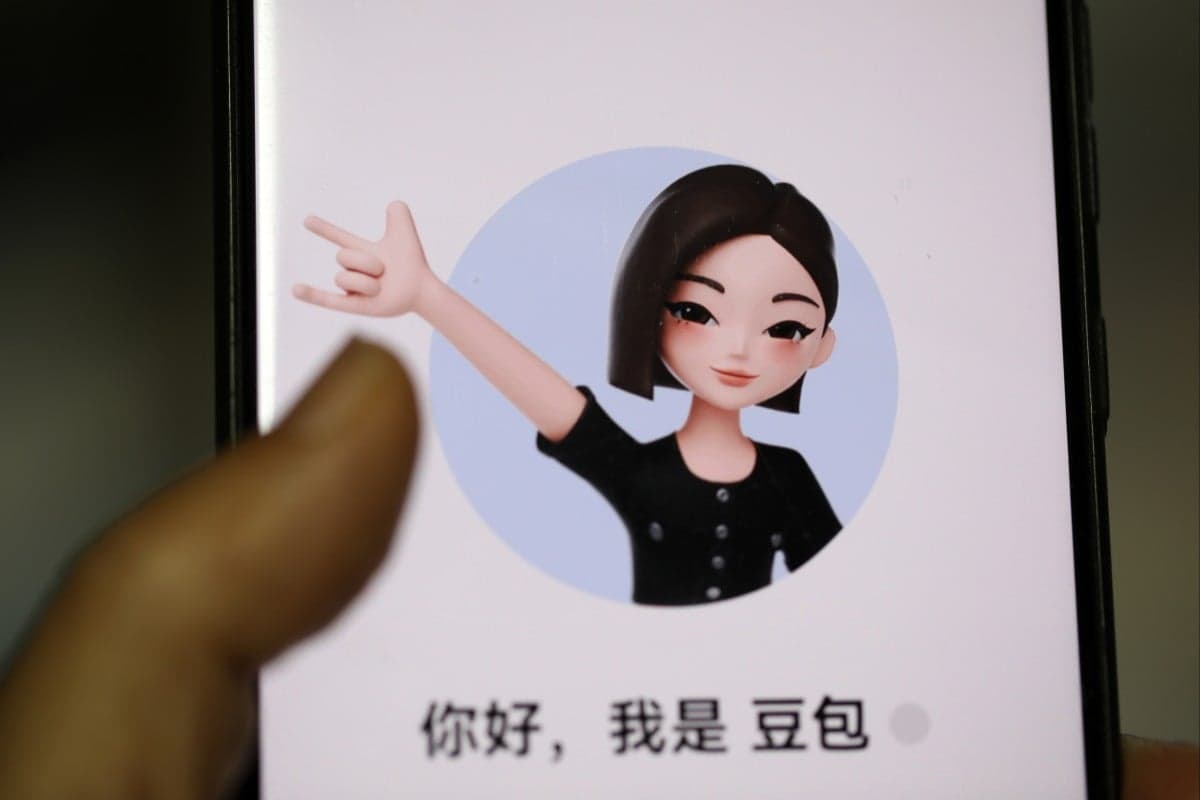
Two of China's leading consumer AI platforms are pulling back customizable chatbot features as new government regulations targeting humanlike artificial intelligence interactions come into force.
ByteDance's Doubao notified users Friday evening that its agent feature would go offline July 15 due to "product function adjustments." The company said that after October 15, related data would be handled according to its privacy policy and would no longer be viewable or recoverable within the app.
Alibaba's Qwen issued a similar notice Saturday morning, announcing that its "humanlike interactive agents and user-created agent functions" would be disabled July 10. Broader "Qwen agent functions and services" will be taken offline July 15, with users losing access to agent settings and previous conversations after the shutdown.
What's being removed
Both applications had offered libraries of agents—created by the companies and users—that could be customized for specific tasks, skills, and speaking styles. Users could transform general-purpose chatbots into named assistants, tutors, role-playing characters, or companions with fixed personas and conversational tones.
These features allowed for sustained, personalized interactions that went beyond simple question-and-answer exchanges, creating AI entities with consistent personalities across multiple conversations.
New regulatory framework
The shutdowns align with implementation of the Interim Measures for the Administration of Artificial Intelligence Anthropomorphic Interaction Services, which take effect July 15. Beijing issued the rules in April to govern AI services that "simulate human personality traits, thinking patterns and communication styles to provide sustained emotional interaction."
The regulations specifically exclude customer service bots, knowledge-based question-and-answer systems, workplace assistants, and education or scientific research tools—provided they don't involve sustained emotional interaction.
Why it matters
China's move to regulate emotionally interactive AI represents one of the first major government frameworks specifically targeting AI companions and personalized chatbot agents. The regulations cite risks including extremist ideas, privacy leaks, harm to physical and mental health, and user dependence or addiction—concerns that have emerged globally as AI chatbots become more sophisticated and emotionally engaging.
The swift compliance by ByteDance and Alibaba, two of China's largest tech companies, signals how Beijing's regulatory approach is shaping the development of consumer AI products. While Western markets debate similar issues around AI companions and emotional dependency, China is implementing concrete restrictions that could influence how these technologies evolve worldwide.
The details were first reported by the South China Morning Post.
This is an original analysis by the Omega editorial team. Source reporting: AI Watch.
Want systems like this working for your business?
Book a Call
