British Gas Owner to Cut 1,300 Call Center Jobs, Cites AI Shift
Centrica CEO defends workforce reduction as customer behavior change, though trade unions point to chatbot replacement strategy.
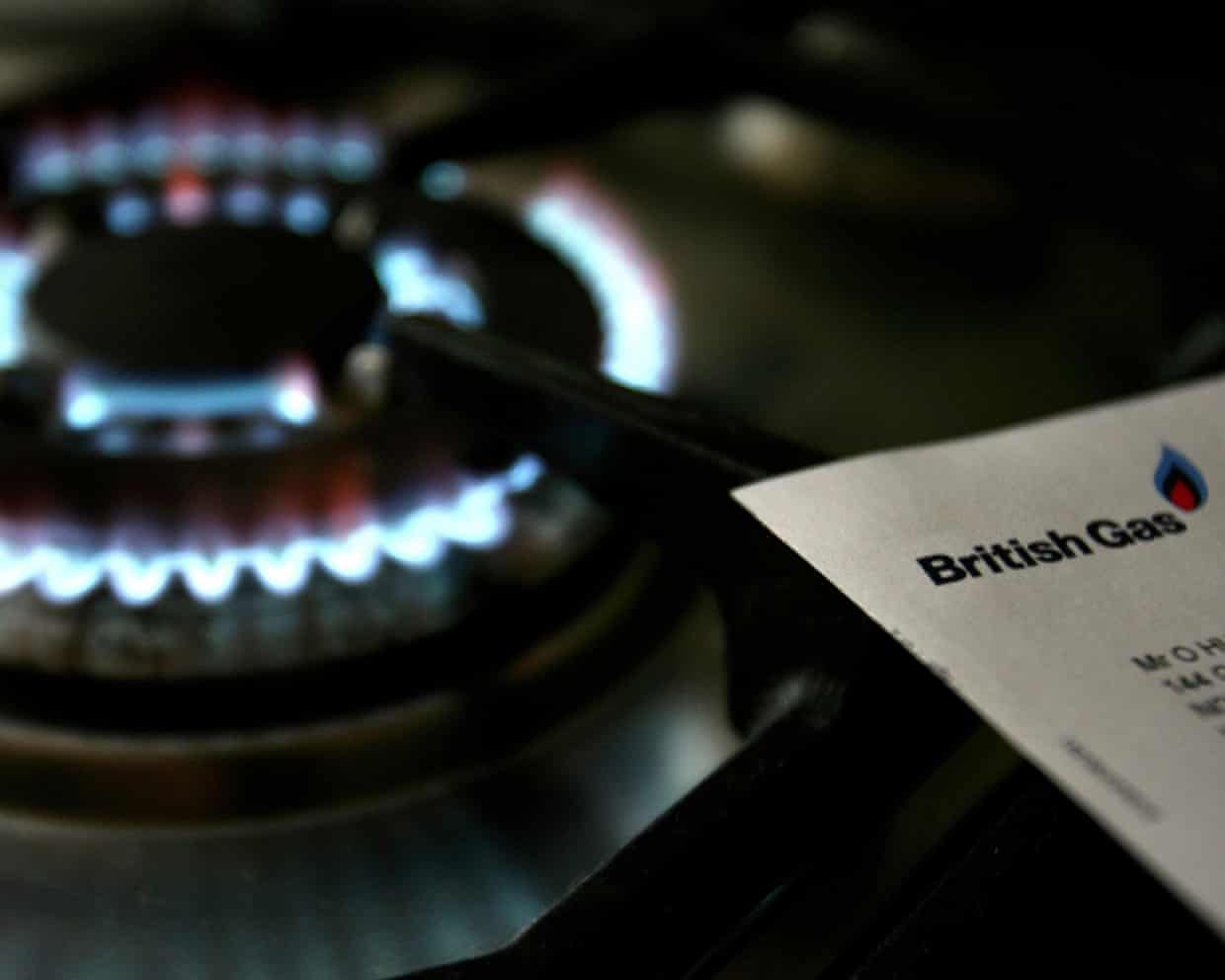
British Gas parent announces major workforce reduction
Centrica, the FTSE 100 owner of British Gas, will eliminate 1,300 call center positions over the next two years as part of what it calls a "targeted deployment of AI tools." The cuts include 800 jobs announced alongside recent earnings results, adding to 500 reductions confirmed last month.
The reductions will affect customer service teams across six UK cities: Glasgow, Edinburgh, Cardiff, Leicester, Stockport, and Leeds. The company expects to achieve the 14% workforce reduction through a combination of unfilled positions following natural resignations and direct redundancies.
CEO defends decision as customer preference shift
Chris O'Shea, Centrica's chief executive, pushed back against characterizations that artificial intelligence is driving the job losses. Instead, he attributed the changes to evolving customer behavior patterns.
"AI isn't driving these particular job reductions; that's mainly due to changing customer behaviour," O'Shea said. He cited company data showing more than 90% of customers now use digital channels as their first contact method, while phone call volume has dropped 20%.
O'Shea indicated the company expects to create new positions focused on digital interfaces, even as traditional phone-based roles decline. Trade unions have previously criticized Centrica's AI investments, warning that "hundreds of human jobs" would be transferred to chatbots.
Profits rise despite customer losses
The workforce announcement came as Centrica reported increased retail profits for the first half of the year, even as its customer base contracted. British Gas retail division profits reached £346 million in the six-month period, up from £338 million in the same span last year.
The supplier's domestic customer count fell to 7.45 million from 7.5 million at year-end. O'Shea explained the company has prioritized higher profit margins on fixed-price tariffs rather than pursuing "loss-making business."
British Gas faces significant legacy costs from the energy crisis period. The company expects to pay up to £112 million in compensation to customers who had prepayment meters force-fitted during the Russian gas crisis, representing the largest energy supplier settlement on record.
Why it matters
Centrica's workforce strategy illustrates a broader tension in enterprise AI adoption: companies cite efficiency and customer preference to justify automation, while labor advocates question whether cost reduction is the primary driver. The case is particularly notable because O'Shea explicitly denies AI is the cause, even as the company simultaneously announces AI tool deployment and job cuts. For business leaders evaluating similar transitions, the disconnect between stated rationale and workforce impact may signal reputational and employee relations risks that extend beyond the immediate operational benefits.
Details were first reported by The Guardian.
This is an original analysis by the Omega editorial team. Source reporting: AI Watch.
Want systems like this working for your business?
Book a Call