Automation
Botsync raises $11M to unify factory automation with SyncOS
The Singapore-based startup connects robots, machines, and enterprise software from any vendor into a single intelligent platform.

Key takeaways
- Botsync raised $11 million led by IvyCap Ventures to expand its SyncOS platform, which orchestrates multi-vendor factory automation systems through a single interface.
- The company has deployed across 70+ projects in nine countries, completing over 2 million production tasks at 99% uptime for customers including Ford, Nestlé, and Caterpillar.
- SyncOS uses Physical AI to coordinate robots, machines, and enterprise software from any manufacturer, enabling real-time task assignment and predictive optimization.
- Customers report 24-month average ROI through reduced forklift dependency and manual material handling, with operators redeployed to higher-value roles.
- Funding will support AI capability development, geographic expansion into Australia and the US, and growth in Singapore, India, Thailand, and Indonesia.
Botsync closes $11 million round for vendor-agnostic factory orchestration
Botsync has secured $11 million in new funding to scale its platform that connects disparate automation systems into unified factory operations. IvyCap Ventures led the round, with participation from Capital 2B, AppWorks, Iterative, AngelCentral, Genesis Alternative Ventures, and angel investor Nalin Advani, according to a company announcement.
The Singapore-based company has now raised over $20 million total, following a Series A extension in January 2026 led by SGInnovate. Founded by Nanyang Technological University graduates Rahul, Nikhil, Prashant, and Singaram seven years ago, Botsync addresses a persistent challenge in industrial automation: facilities typically run equipment from multiple vendors that cannot communicate with each other.
The integration problem
Manufacturers today operate what Botsync describes as a "patchwork" of conveyors, robotic arms, autonomous mobile robots, storage systems, and enterprise software. While individual components function, the lack of interoperability prevents facilities from operating as coordinated systems.
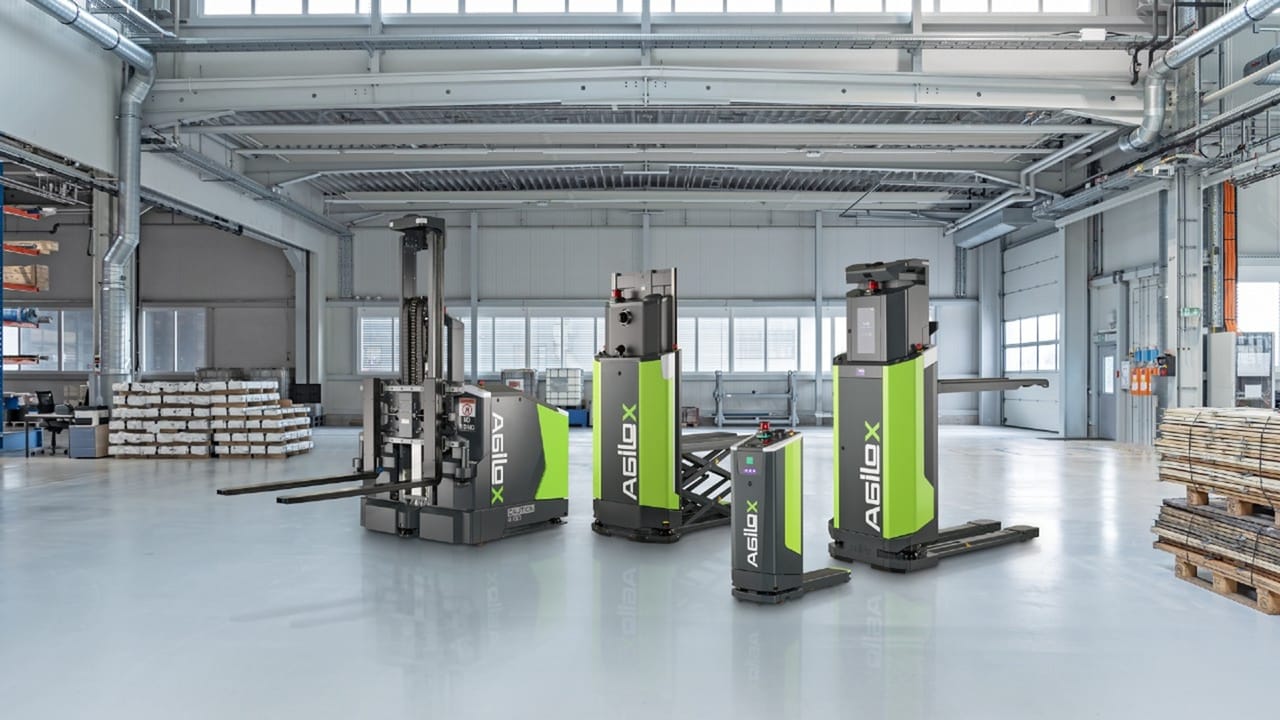
Botsync's solution combines hardware and software. The company manufactures its MAG line of autonomous mobile robots—including lifters, conveyors, tuggers, and forklifts with payloads up to 1.5 tonnes. These work alongside existing automation infrastructure.
The core technology is SyncOS, which the company positions as a Physical AI platform. It integrates robots, machines, and enterprise systems from any manufacturer through a single interface. The platform assigns tasks, manages traffic, and orchestrates workflows across entire facilities in real time. Machine learning capabilities analyze operational data to identify bottlenecks, predict maintenance needs, and optimize throughput.
Deployment track record
Botsync has completed over 70 projects across nine countries, executing more than 2 million production tasks at 99 percent uptime. The customer base includes Caterpillar, Ford, Nestlé, Honda, Coca-Cola, and Kimberly-Clark. Customers report recovering their investment within 24 months on average through reduced forklift dependency and manual material handling.
Why it matters
Factory automation has historically required manufacturers to choose between single-vendor lock-in or managing complex integrations themselves. Vendor-agnostic orchestration platforms like SyncOS represent a shift toward software-defined manufacturing infrastructure, where intelligence sits in a control layer rather than individual machines. As manufacturers face pressure to improve productivity and build supply chain resilience, the ability to coordinate existing equipment investments without wholesale replacement becomes strategically valuable. The approach also creates a data foundation for AI-driven optimization that individual machines cannot provide.
Capital allocation
Botsync plans to direct the majority of funding toward AI capabilities in SyncOS, focusing on throughput optimization, predictive maintenance, and operational analytics. The company will also invest in hardware reliability improvements for its MAG robot line.
Geographic expansion targets Australia, where early deployments have been completed, and the United States, the world's largest factory and warehouse automation market. Botsync will maintain its Singapore headquarters while growing operations in India, Thailand, and Indonesia. The company operates an office and experience center in Bangalore.
The details were first reported by Botsync in a company announcement.