Bipartisan Senate Bill Seeks Federal Study of AI Impact on Seniors
The Aging with AI Act would examine both benefits like companionship tools and risks including scams targeting older Americans.
A bipartisan group of U.S. senators has introduced legislation that would launch the first comprehensive federal study of how artificial intelligence is affecting older Americans and their caregivers.
The Aging with Artificial Intelligence Act, introduced by Sens. Mark Kelly (D-Ariz.), Rick Scott (R-Fla.), and Roger Marshall (R-Kan.), directs the National Academies to examine how seniors are using AI-enabled systems including chatbots and voice assistants. The bill has drawn backing from major organizations including AARP, the American Medical Association, the American Psychological Association, and the National Council on Aging.
Why it matters
With one in four older adults reporting feelings of isolation or loneliness, AI tools are already being deployed to address social connection and daily living support—yet federal policymakers lack systematic data on whether these technologies help or harm vulnerable populations. The legislation acknowledges a critical gap: AI adoption is outpacing our understanding of its effects on seniors' independence, safety, and susceptibility to exploitation.
What the legislation would examine
The bill tasks federal researchers with studying both opportunities and risks. On the benefit side, the study would assess how AI supports caregivers, enables aging in place, and improves access to information and communication. The risk assessment would examine scams, fraud, financial exploitation, and overreliance on AI-generated advice.
Kelly, who serves on the Senate Special Committee on Aging alongside cosponsor Scott, said in a statement that AI tools are becoming part of older Americans' daily lives without full understanding of their impact. The legislation aims to ensure these technologies support independence, safety, and well-being.
The bill also directs the National Institute on Aging to conduct ongoing federal research and coordination, with a report to Congress required within one year if passed.
AI companionship and social isolation
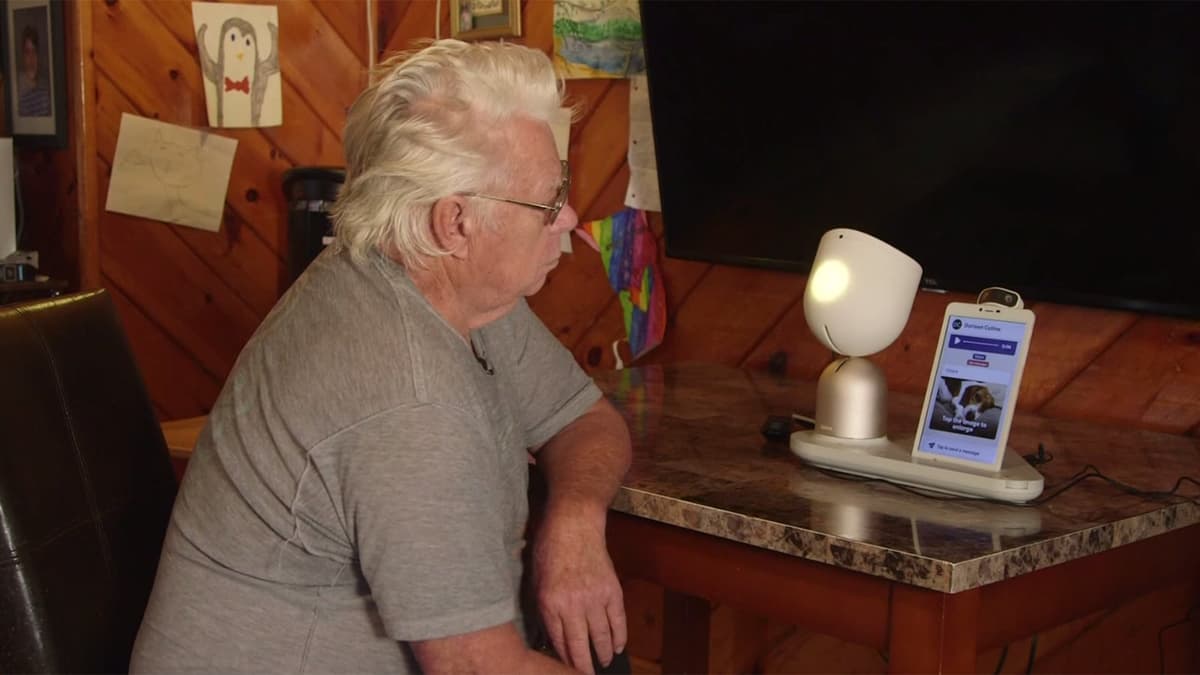
The study would specifically examine outcomes related to AI companionship tools designed for seniors. Products like ElliQ conduct daily check-ins, proactive conversations, wellness reminders, and entertainment aimed at reducing loneliness. One user interviewed reported speaking with her AI companion approximately five hours daily, noting that while she would prefer human conversation, the technology fills a genuine need.
Megan O'Reilly, vice president of government affairs at AARP, said older adults are already using AI and curious about its potential for supporting independent living and healthcare navigation. However, she emphasized that questions about privacy and trust remain unresolved.
Privacy and fraud concerns
The legislation explicitly calls for studying adverse outcomes including scams and financial exploitation. O'Reilly noted that AARP operates a fraud network and works daily on consumer protection, but existing safeguards may not be sufficient for AI-specific risks.
On data privacy, AARP has advocated for strengthening HIPAA protections and establishing universal consent standards written in plain language. O'Reilly said transparency around how information is stored and used is essential as older adults interface with AI tools.
She added that ensuring AI reaches all older adults—not just those who are tech-savvy or affluent—requires education and trust-building. "Trust builds a little bit slower" than technology grows, O'Reilly said, noting significant work remains ahead.
These details were first reported by AZFamily.
This is an original analysis by the Omega editorial team. Source reporting: AI Watch.
Want systems like this working for your business?
Book a Call
