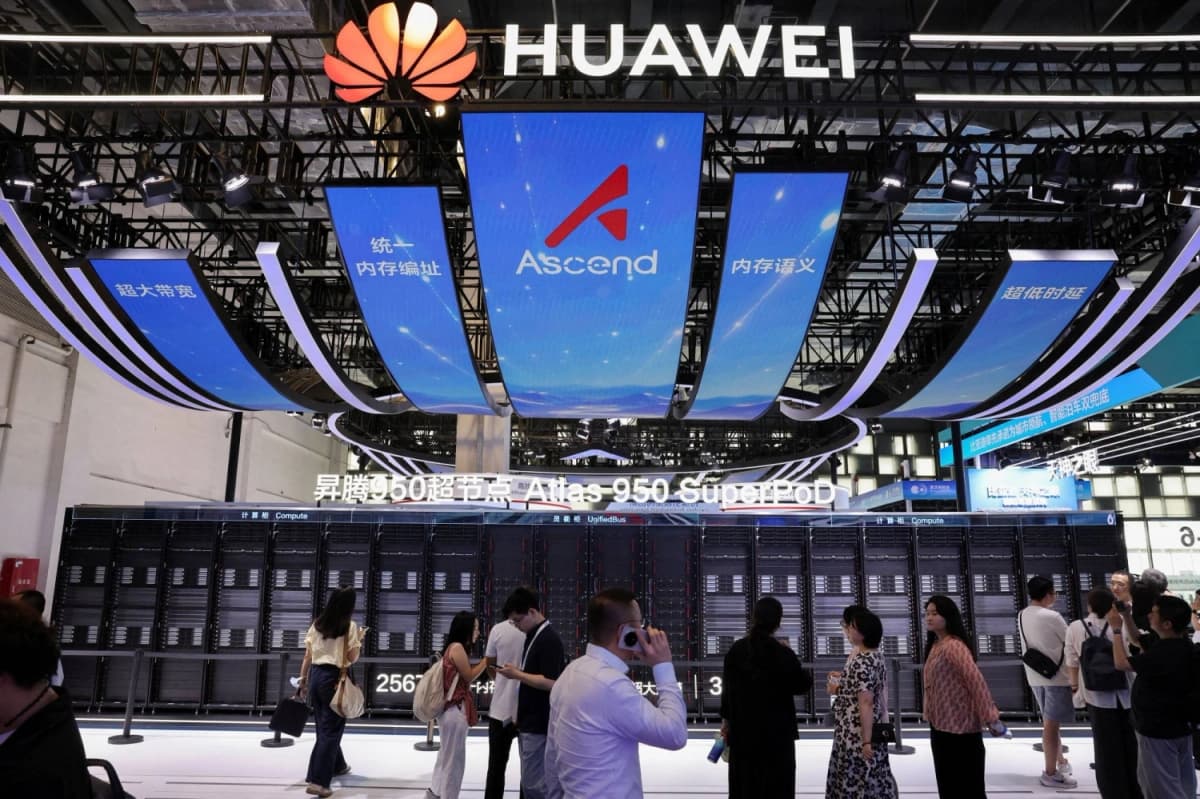
Bessent: China Beating US on AI Is 'Biggest Risk' to Technology
Treasury secretary frames AI competition as national security priority, dismissing safety and labor concerns as secondary.
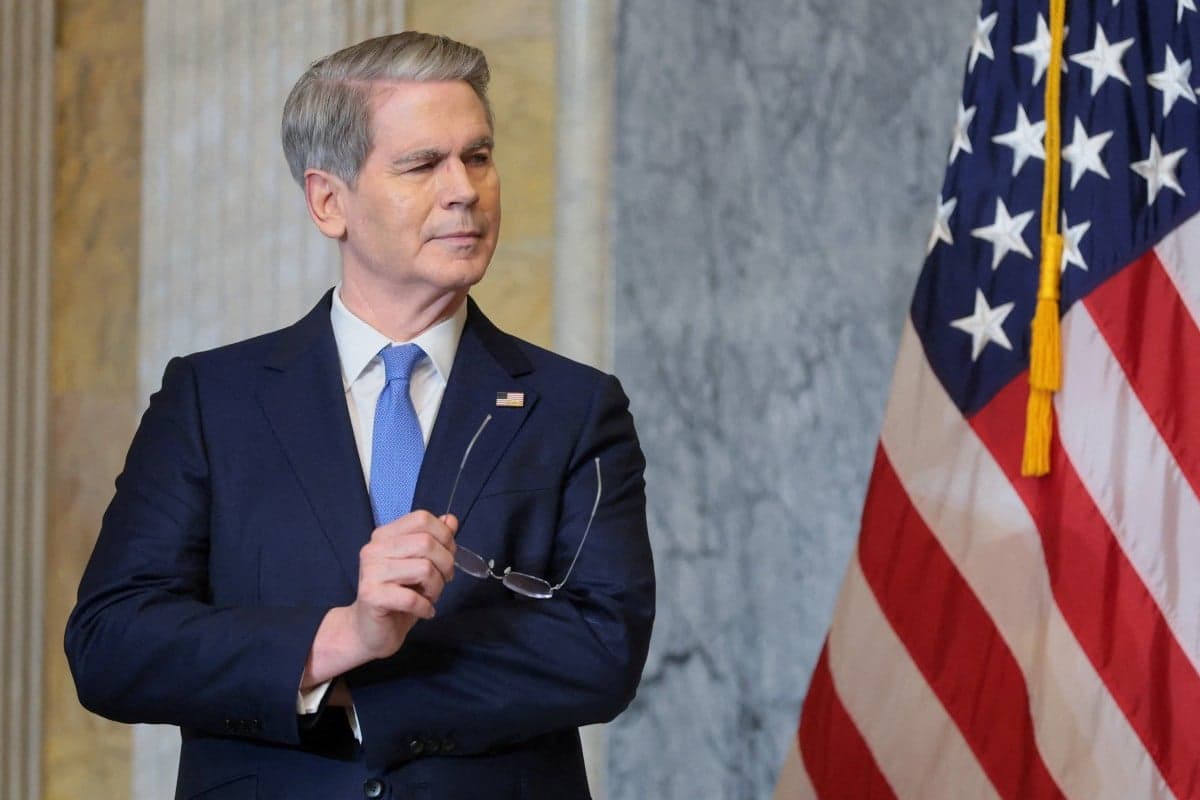
US Treasury Secretary Scott Bessent has identified China overtaking the United States in artificial intelligence development as the paramount threat posed by the technology—a risk he characterized as more significant than AI safety concerns or potential job displacement.
Speaking at the Economic Club of New York on Tuesday, Bessent positioned himself as a central figure in both US AI policy and the economic relationship with China. His remarks signal how the Trump administration views AI competition through a primarily geopolitical lens rather than focusing on domestic regulatory challenges that have dominated recent policy debates.
AI Talks Reflect US Advantage
Bessent argued that China's willingness to engage in AI governance discussions itself demonstrates American technological superiority. "The reason the Chinese are willing to have a discussion on AI is because we are ahead, so we have to stay ahead," he said.
The comments come after the US and China agreed to establish formal AI governance talks following a meeting between President Donald Trump and Chinese leader Xi Jinping in Beijing last month. Chinese foreign ministry spokesman Guo Jiakun framed the engagement differently in May, emphasizing collaboration: "As two leading AI powers, China and the United States need to work together to promote the development and improve the governance of AI."
Supply Chain Warning
Bessent also issued a warning about economic retaliation, stating there would be consequences for any attempt to "weaponise supply chains," though he did not specify which countries or scenarios he was addressing. The comment reflects ongoing concerns about technological decoupling and dependencies in critical supply chains for semiconductors and other AI infrastructure components.
Why It Matters
Bessent's framing reveals how AI policy is becoming inseparable from great power competition in Washington. By elevating geopolitical rivalry above safety and labor concerns, the Treasury secretary signals that maintaining technological leadership over China will likely take precedence in policy decisions—potentially affecting export controls, investment screening, research collaboration limits, and domestic AI development incentives. For technology companies and investors, this suggests the competitive landscape will be shaped as much by national security considerations as by market forces.
These details were first reported by the South China Morning Post.
This is an original analysis by the Omega editorial team. Source reporting: AI Watch.
Want systems like this working for your business?
Book a Call