Khanna Proposes Data Center Bill of Rights Amid Rate Hike Fears
California congressman's resolution would give communities veto power over AI infrastructure projects as energy costs become a political flashpoint.
Legislation targets community control over AI infrastructure
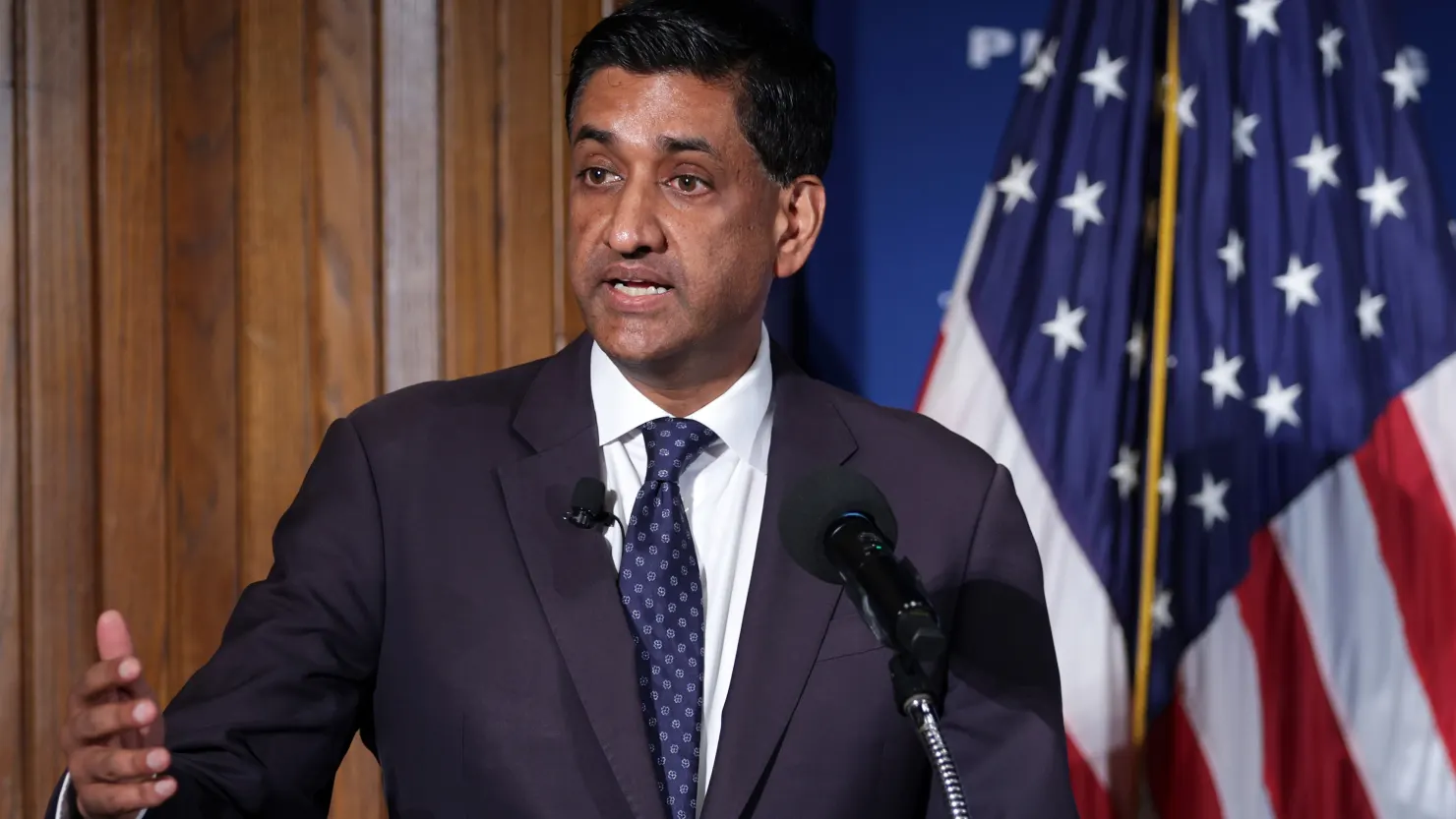
Rep. Ro Khanna is introducing a congressional resolution that would establish what he terms a "data center bill of rights," granting local communities explicit authority to reject AI infrastructure projects. The move responds to mounting voter opposition to data centers over concerns about rising electricity costs and resource consumption.
The California Democrat, who represents Silicon Valley and is viewed as a potential 2028 presidential candidate, developed the proposal after traveling to Pennsylvania and hearing widespread constituent concerns. According to CNBC, which obtained the resolution exclusively, Khanna characterized opposition to data centers as the dominant feedback he received across the state.
Key provisions of the proposed framework
The resolution outlines several specific authorities for local communities. It would empower them to prohibit data center construction within 2,500 feet of homes, schools, childcare facilities, hospitals, or nursing homes. Communities would gain the ability to reject any proposed data center through a transparent local process.
The framework would preserve state-level authority to implement moratoriums on new data center development until protections are established to prevent ratepayer electricity bill increases and water supply depletion. Several states, including New York, have already enacted such moratoriums.
Additionally, the resolution would prevent states from preempting local regulation of data center development, require facilities to use clean energy and meet pollution limits, and allow communities to demand that utility bills remain stable.
Political momentum builds against data center expansion
Data centers have emerged as a contentious political issue ahead of midterm elections that will determine congressional control for the remainder of President Donald Trump's term. The facilities, essential to the artificial intelligence boom attracting significant investment, have generated voter backlash due to their substantial energy and water requirements.
Recent election results demonstrate the political potency of the issue. Michigan Democratic Senate candidate Abdul El-Sayed, who won a competitive primary and received Khanna's endorsement, campaigned on supporting state and local data center moratoriums absent federal protections.
Khanna warned that the major technology companies building data centers are "losing the country" over the issue.
Why it matters
The resolution reflects a significant political shift around AI infrastructure. As data centers proliferate to support generative AI applications, their physical footprint is colliding with local quality-of-life concerns in ways that abstract debates about AI regulation never did. The tension between national technology priorities and local utility costs represents a new front in AI policy that could shape both the technology's deployment trajectory and the 2026 electoral landscape. For technology companies, the proposal signals that community relations and infrastructure siting strategies may become as critical as technical capabilities.
These details were first reported by CNBC.
This is an original analysis by the Omega editorial team. Source reporting: AI Watch.
Want systems like this working for your business?
Book a Call