Australian Dock Workers Demand 28-Hour Week as AI Threatens Jobs
Maritime union says DP World's automation push puts over 60% of workforce at risk without genuine consultation.
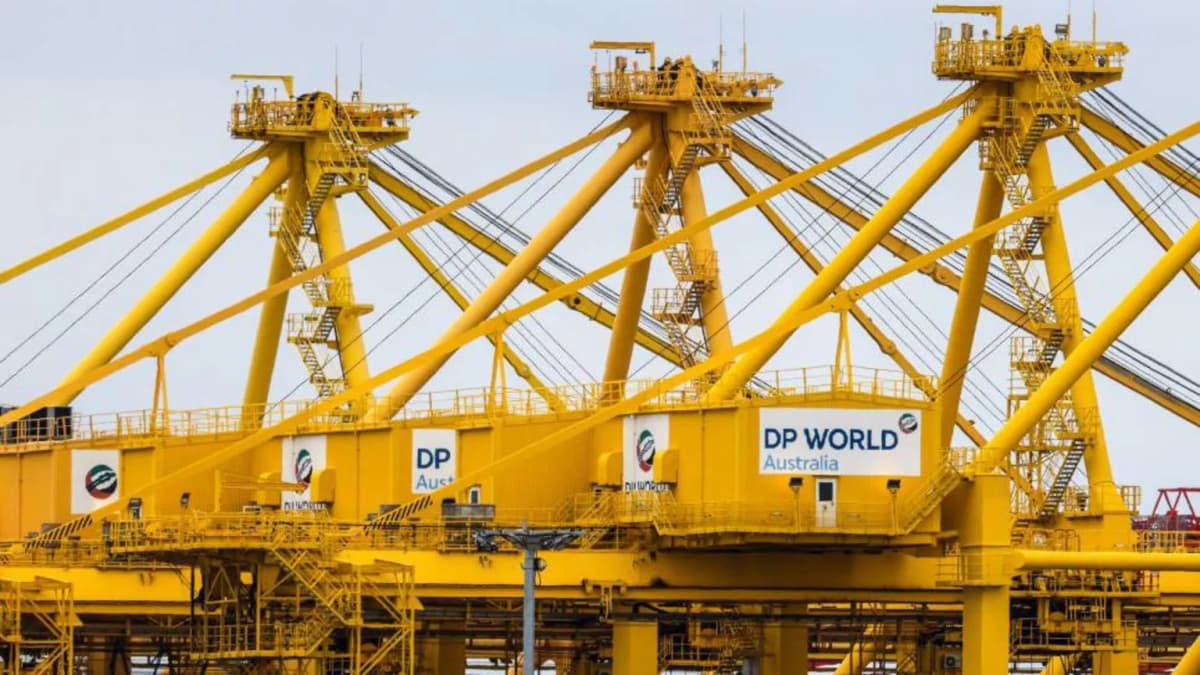
Australian dock workers are pushing for a dramatic reduction in working hours as artificial intelligence and automation threaten to eliminate hundreds of jobs at the country's major ports.
The Maritime Union of Australia is demanding a 28-hour work week with no pay cuts for employees at DP World, the Dubai-based port logistics giant that operates terminals in Sydney, Melbourne, and other Australian cities. The union argues that if companies profit from AI-driven efficiency gains, workers deserve a share of those benefits rather than losing their livelihoods.
Automation Without Consultation
According to a study commissioned by the union and conducted by the Centre For International Corporate Tax Accountability and Research, DP World is increasingly deploying AI tools to manage employees and work schedules. The automation program could eliminate up to 1,000 positions—more than 60% of the dock and maintenance workforce—according to the research.
The company has proposed implementing AI-assisted remote-control cranes and driverless vehicles as part of its modernization efforts. The union contends these changes are being introduced without meaningful worker consultation.
"If DP World wants AI and automation, then they must pay the social dividend," the Maritime Union stated in a July 3 announcement. "The new technology doesn't have to cost our members their jobs or put their livelihoods at risk just so a terminal operator can boost profits."
DP World dock workers currently work approximately 32 to 35 hours per week, depending on their location, making the proposed 28-hour week a reduction of roughly four to seven hours.
Global Port Giant Faces Local Pressure
DP World is one of the world's largest port operators, employing more than 126,000 people globally and handling over 10% of worldwide container traffic. In Australia, the company moves millions of shipping containers annually through its network of terminals.
The BBC has reached out to DP World for comment on the union's demands and automation plans.
Why it matters
This dispute represents one of the first major labor actions explicitly linking reduced working hours to AI-driven productivity gains. If successful, the Australian dock workers' campaign could establish a precedent for how unions worldwide negotiate the terms of workplace automation—shifting the conversation from job preservation alone to redistribution of technology-driven efficiency benefits. The outcome may influence labor strategies across industries facing similar AI disruption.
Details of the negotiations and automation plans were first reported by the Australian Financial Review and the BBC.
This is an original analysis by the Omega editorial team. Source reporting: AI Watch.
Want systems like this working for your business?
Book a Call