Atlanta Uber Drivers Report 50% Income Drop After Waymo Rollout
Rideshare workers say autonomous vehicles and algorithmic dispatch are displacing human labor as tech companies prioritize efficiency over earnings.
Atlanta Uber Drivers Report 50% Income Drop After Waymo Rollout
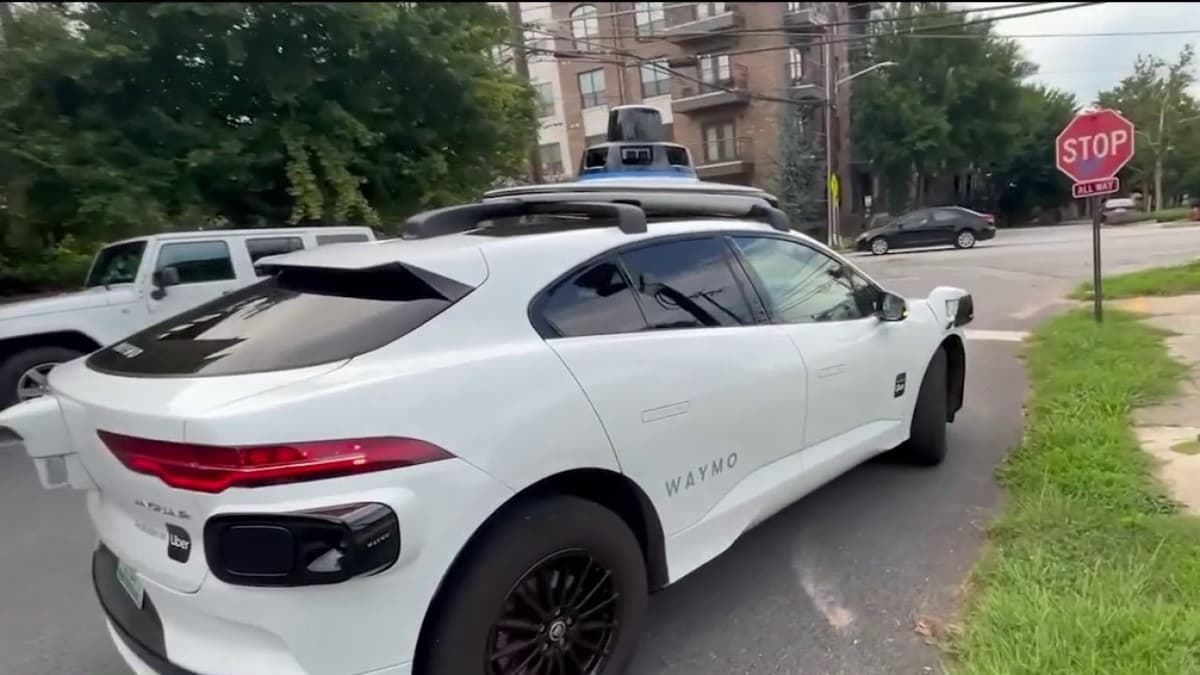
Rideshare drivers in Atlanta are reporting dramatic income losses following the introduction of Waymo's autonomous vehicle fleet, with some workers saying their earnings have been cut in half over the past year. The decline has sparked organized resistance from drivers who say they're being systematically displaced by both driverless cars and the algorithms that control ride assignments.
Why it matters
The Atlanta situation represents one of the first real-world tests of how autonomous vehicle deployment affects gig workers at scale. As cities nationwide consider permitting robotaxi services, the income impacts reported by Atlanta drivers provide concrete data points for policymakers weighing innovation against workforce stability. The organizing response also signals that gig workers—historically difficult to unionize—are finding common cause around automation threats.
Drivers point to dual automation threat
Bob Chouhan, an Atlanta rideshare driver, describes the challenge as twofold. Beyond competing with driverless vehicles for passengers, drivers say the AI systems managing ride distribution actively disadvantage human workers in favor of corporate efficiency metrics.
"The AI and algorithms is actually being used, not only, as they put it to for, you know, making everything more efficient, but also to control us," Chouhan said, according to Fox 5 Atlanta.
Drivers argue the shift represents a deliberate strategy. "Frankly speaking, I think the goal is one thing is profits over people," Chouhan explained. "No workers, no wages, and just increasing their profits. That's what it is. So, the ultimate goal is, without a shadow of doubt, to replace older workers."
Uber acknowledges transition challenges
When asked to comment, an Uber spokesperson directed Fox 5 Atlanta to a company publication addressing autonomous vehicle integration. The statement acknowledges potential workforce disruption while advocating for managed deployment.
The publication notes that "while autonomy promises fewer crashes and lower costs, success requires guardrails to prevent worker displacement and eroded trust." Uber's stated position supports "a phased, hybrid transition... ensuring a dignified transition that preserves worker earnings."
The company's public stance contrasts with drivers' lived experience of rapid income decline following the Waymo launch.
Coalition demands seat at the table
The income pressure has catalyzed organizing across previously separate groups. Rideshare drivers have joined with labor advocates and community organizers to form a coalition addressing autonomous vehicles, AI deployment, and data center expansion.
Driver Lisa Ramsey framed the core demand simply: "We should have a say in our future when it comes to new emerging technology."
The coalition is calling on local government and technology companies to establish formal processes ensuring workforce considerations shape automation rollouts. The group has scheduled a public rally for Thursday at 4 p.m. at Historic Fourth Ward Park in Atlanta.
What comes next
The Atlanta case may preview conflicts emerging in other cities as autonomous vehicle services expand. Waymo operates in San Francisco, Los Angeles, and Phoenix, with additional markets planned. How Atlanta's municipal government and rideshare platforms respond to organized driver resistance could establish precedents for workforce protections—or their absence—in the autonomous vehicle era.
These details were first reported by Fox 5 Atlanta, which gathered information from Uber's corporate communications, driver Bob Chouhan, and driver Lisa Ramsey.
This is an original analysis by the Omega editorial team. Source reporting: AI Watch.
Want systems like this working for your business?
Book a Call