Arm's Samsung 2nm AI Chip Targets Mobile, Not Data Centers
The collaboration focuses on on-device inference for phones while Arm's real data center ambitions hinge on its AGI CPU line and hyperscaler adoption.
Mobile AI accelerator extends existing strategy
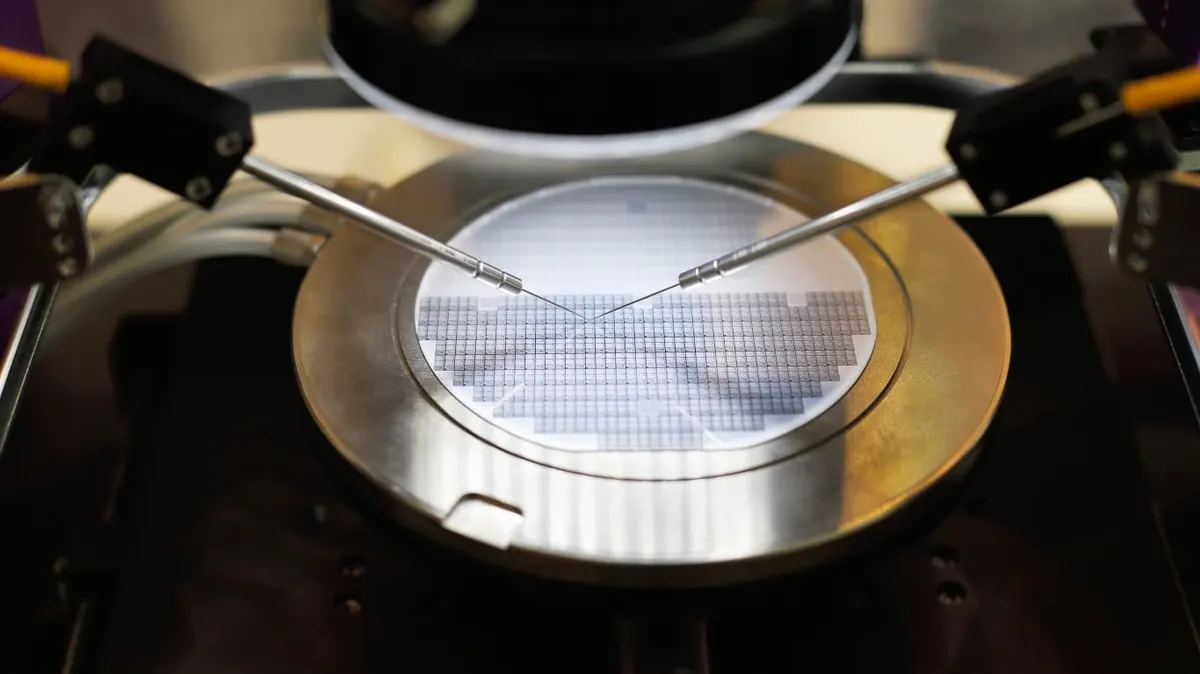
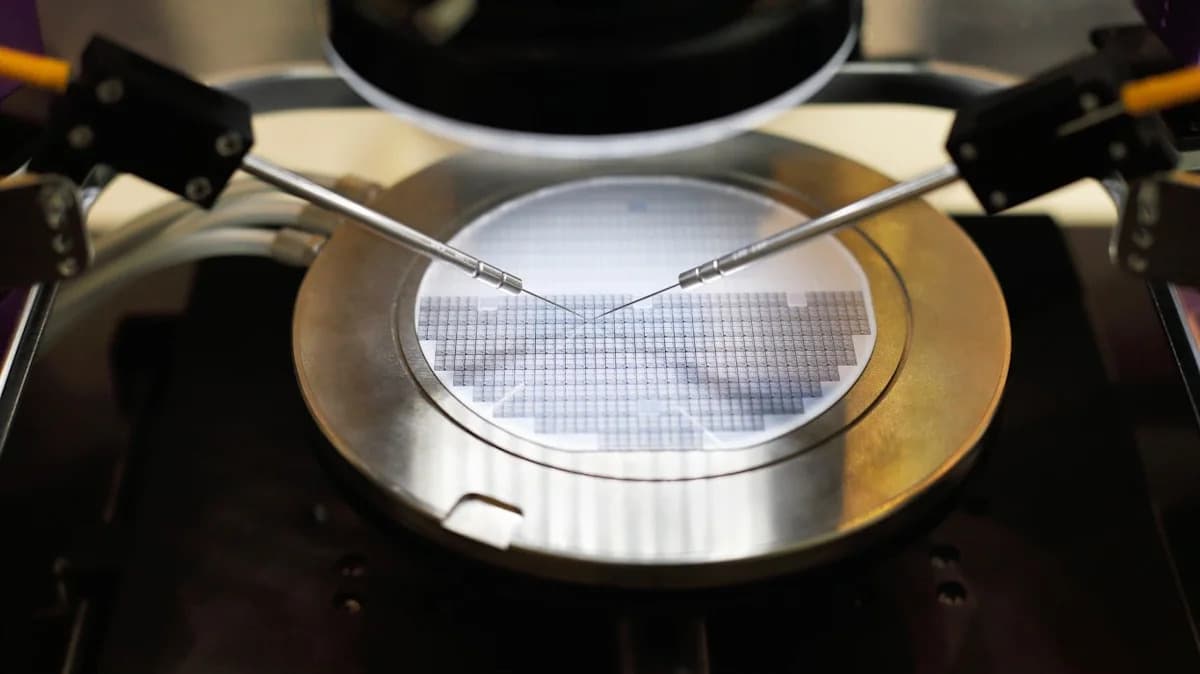
Arm Holdings has announced a collaboration with Samsung to develop a 2nm on-device AI accelerator system-on-chip, according to details first reported by AI Watch. Under the arrangement, Arm provides the AI accelerator architecture and core design intellectual property, while Samsung's System LSI division handles full SoC integration and Samsung's foundry manufactures the chip using its SF2 2nm process.
The partnership targets power-efficient, low-latency inference on smartphones and consumer devices—a high-volume segment designed to reduce cloud dependence. This represents an extension of Arm's existing mobile presence rather than a breakthrough into the data center market where the company faces stiffer competition and investor scrutiny.
Data center revenue remains the critical metric
Arm's actual data center play centers on its AGI CPU line, where CEO Rene Haas disclosed demand exceeding $2 billion across fiscal years 2027 and 2028. The company reported fiscal Q1 2027 revenue of $1.29 billion, up 22.4% year over year, with royalty revenue of $715 million outpacing licensing income. Data center royalty revenue more than doubled year over year for another consecutive quarter, and Arm Neoverse shipments have surpassed 1.5 billion cores.
Management projects a $15 billion silicon business against a data center total addressable market exceeding $100 billion by 2030. The company has secured design wins inside NVIDIA's Vera CPU, Google's Axion, Microsoft's Cobalt, and Amazon's Graviton 5, giving it approximately 50% CPU compute share among top hyperscalers.
Margin pressure and valuation concerns persist
Arm's AGI CPU gross margin is guided to the high 30% range, potentially reaching the low 40s for the first generation—a significant step down from the company's 92.5% IP-licensing gross margin. This compression reflects the economics of moving from pure licensing to silicon products.
The stock trades at a price-to-earnings ratio of roughly 298 following a 130.62% year-to-date gain to $252.09. A Qualcomm license litigation trial expected in Q4 2026 adds uncertainty to the royalty revenue base.
Why it matters
Arm's valuation assumes the company will successfully translate its mobile dominance into meaningful data center share at scale. The Samsung deal reinforces existing mobile strengths but doesn't materially change the data center equation where NVIDIA generated $89 billion in quarterly revenue. Qualcomm, which targets $15 billion in fiscal 2029 data center revenue using Arm-based chips, faces a 2% margin drag from the architecture—a warning sign for Arm's own silicon ambitions. Investors paying nearly 300 times earnings are betting on data center execution, not incremental mobile wins.
These details were first reported by AI Watch.
This is an original analysis by the Omega editorial team. Source reporting: AI Watch.
Want systems like this working for your business?
Book a Call