Arizona Governor Vetoes All AI Bills as California Advances 30
State legislatures diverge sharply on AI regulation, with Arizona blocking three measures while California pushes forward a sweeping package and Rhode Island enacts new laws.
Arizona blocks AI legislation while other states advance
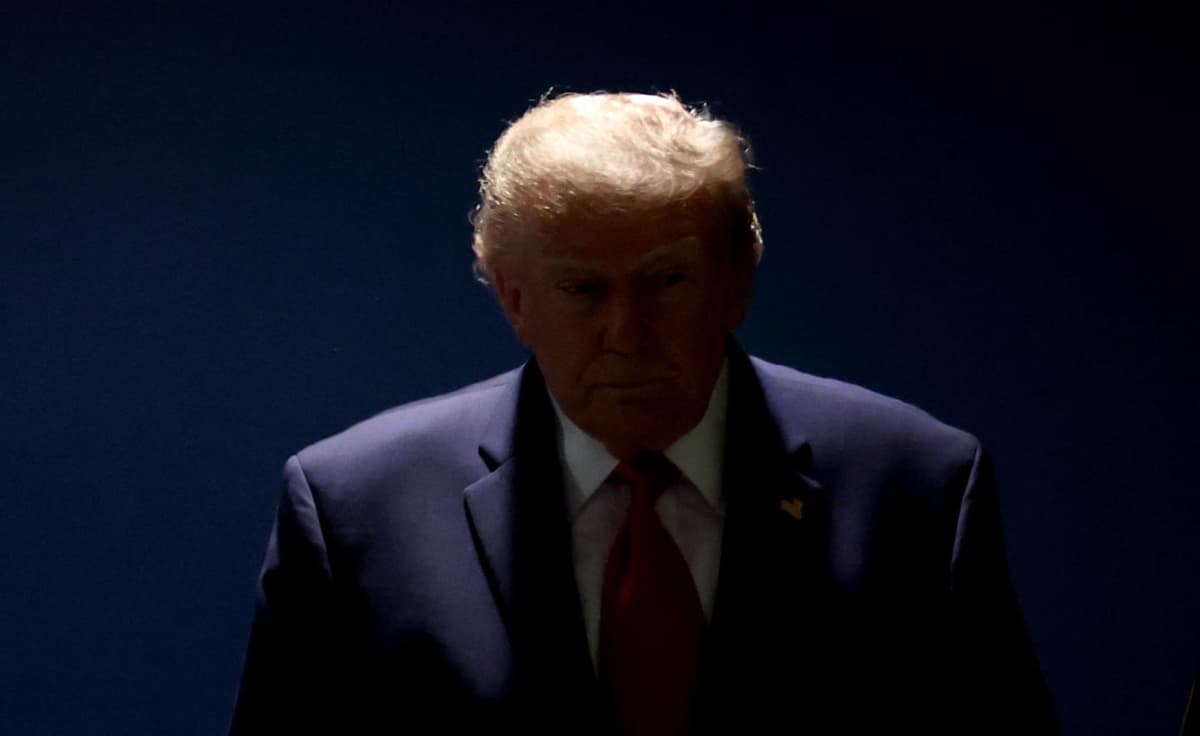
Arizona Governor Katie Hobbs vetoed all three artificial intelligence bills passed by the Republican-controlled state legislature in June 2026, offering no public explanation for her rejection of the measures. The vetoes came as part of a single-day action in which Hobbs rejected 88 bills total, according to the Transparency Coalition for AI, which tracks state AI legislation nationwide.
The three vetoed bills covered distinct regulatory territory. HB 2592 would have required state agencies to identify opportunities for AI implementation to reduce administrative burdens and eliminate regulations restricting AI adoption. HB 2133 addressed synthetic depictions in existing laws against unlawful disclosure of intimate images. HB 2311 focused on chatbot safety, requiring disclosure when users interact with AI, prohibiting gamification features for minors, and mandating parental controls for users under 13.
All three bills passed with bipartisan support in their final votes, though margins varied. The chatbot safety bill cleared the Senate unanimously 28-0 before passing the House 35-20.
California's comprehensive AI package moves forward
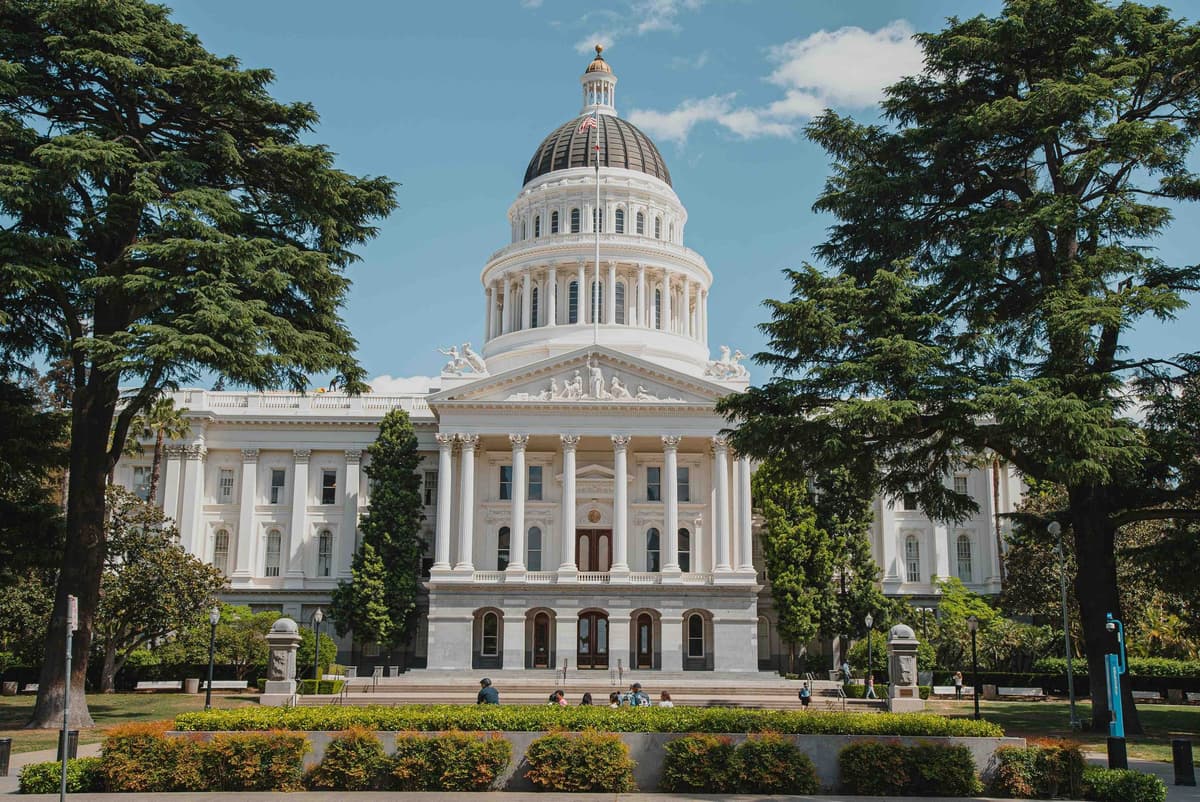
California lawmakers are advancing approximately 30 AI-related bills through the legislative process, with measures now under review by secondary chamber committees following the annual crossover deadline. The package addresses AI applications across education, healthcare, employment, consumer protection, and content authenticity.
Notable bills include AB 2148, which explicitly defines public school employees as natural persons, effectively banning AI teachers. The measure passed both chambers unanimously and was sent to Governor Gavin Newsom on June 24. AB 412 would require AI developers to document copyrighted materials used in training and provide mechanisms for rights holders to request information about their content's use.
Several bills target workplace impacts. AB 2656 would require 45-day advance notice to employee organizations before implementing generative AI for work within their scope. SB 947 establishes broader worker protections regarding AI and automated decision systems.
The legislature enters its summer recess in July, with lawmakers scheduled to return in August for final consideration of remaining measures.
Rhode Island enacts AI legislation
Rhode Island Governor Dan McKee signed three AI bills into law during the same week Arizona's governor rejected similar measures, though the Transparency Coalition report did not detail the specific provisions of Rhode Island's enacted legislation.
Why it matters
The divergent approaches among states signal the absence of consensus on AI governance even as the technology becomes embedded in public services, education, and commerce. Arizona's wholesale rejection of AI bills—without stated rationale—contrasts sharply with California's methodical advancement of sector-specific regulations and Rhode Island's willingness to enact new frameworks. This patchwork creates compliance complexity for AI developers and operators working across state lines, while leaving fundamental questions about disclosure, safety standards, and worker protections answered differently in each jurisdiction. The California package, if enacted, would establish the most comprehensive state-level AI regulatory framework in the nation, potentially influencing other states' approaches.
These details were first reported by the Transparency Coalition for AI in its weekly legislative update for June 26, 2026.
This is an original analysis by the Omega editorial team. Source reporting: AI Watch.
Want systems like this working for your business?
Book a Call