Apple Overhauls Siri with Google Gemini Partnership, Standalone App
The iPhone maker's delayed AI assistant revamp adds personal context, chat history, and camera features in a bid to catch up with ChatGPT and Claude.
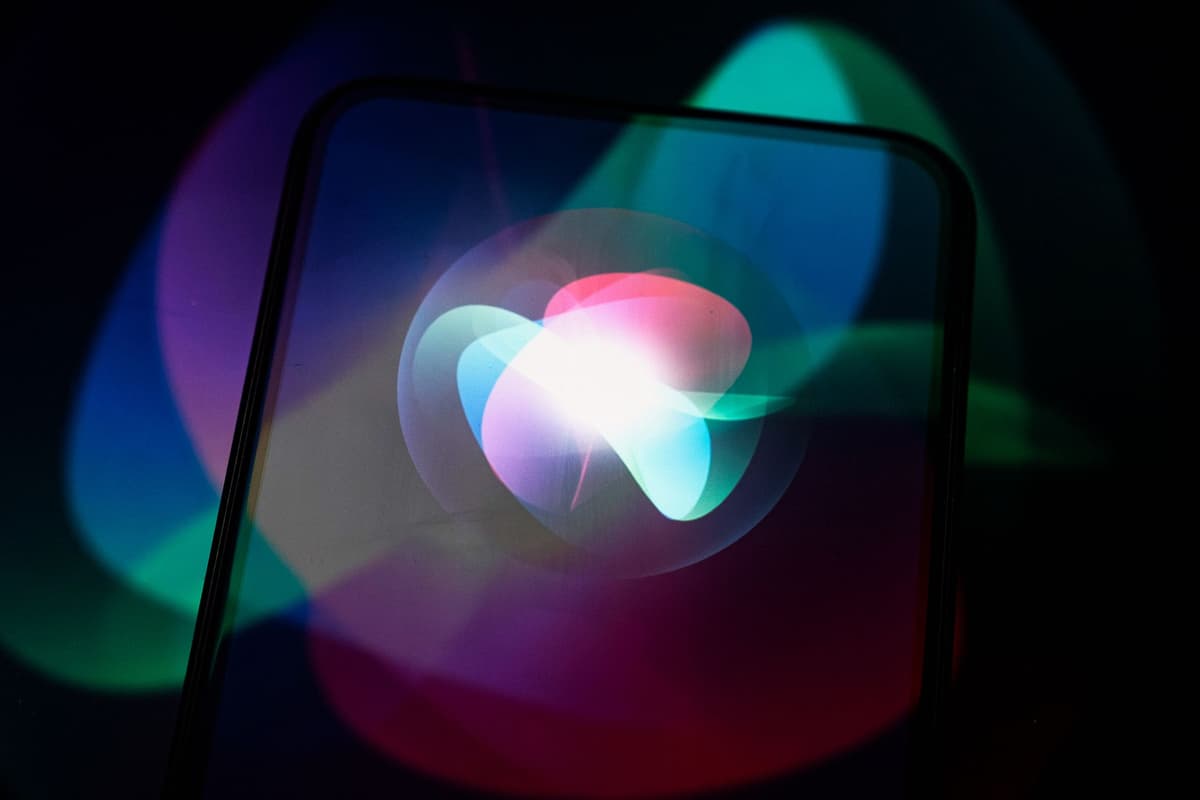
Apple unveiled a comprehensive redesign of Siri at its WWDC 2026 conference Monday, marking the company's most significant update to its voice assistant since the feature debuted in 2011. The overhaul includes a partnership with Google Gemini to power the underlying AI model and introduces a standalone Siri app for the first time.
The revamp represents Apple's response to a generative AI landscape that has left Siri behind. While competitors like ChatGPT, Claude, and Google's Gemini assistant have rapidly advanced, Siri has remained largely unchanged—a gap that became painfully apparent when promised 2024 AI features failed to materialize, resulting in a $250 million false advertising settlement.
What's New in Siri
The redesigned assistant will offer ChatGPT-style conversational interactions, allowing users to review and continue past conversations through the new standalone app. Users can now send text requests and upload files in addition to voice commands.
Siri gains deeper access to personal information stored across Apple devices. The assistant can pull contextual details from Notes, compose emails using information from multiple sources, and draft text messages for group chats. A new camera integration provides Google Lens-style visual search capabilities, letting users ask questions about what they're seeing through their iPhone camera.
"Over the last few years, with the growth of large language models, some of these assistants have gotten tremendously capable—while Siri has remained relatively programmatic and limited in what it can do," Avi Greengart, lead analyst at Techsponential, told WIRED.
Why It Matters
Apple's Siri overhaul signals a strategic shift toward deeply personalized AI assistants that require access to user data to function effectively. This creates tension between utility and privacy at a moment when generative AI faces cultural backlash. The Google Gemini partnership is particularly notable, representing a rare instance of Apple relying on an external AI provider for core iPhone functionality. Success will depend on whether the company can deliver meaningful improvements without alienating users concerned about AI encroachment or data privacy.
Privacy Questions Remain
Despite Apple's emphasis on on-device processing and privacy preservation—similar to its approach with the ChatGPT integration announced in 2024—experts express concerns about the privacy implications of granting an AI assistant broad access to personal information.
"It could have good benefits, make you super efficient, and be really helpful, but it does make the privacy issue a little bit more murky," Marshini Chetty, a computer scientist at University of Chicago specializing in privacy, told WIRED.
The updates are expected to roll out to consumers later this year. Whether Apple can successfully execute this vision remains to be seen, though the company has historically excelled at refining technologies pioneered by others—a pattern it established with smartphones and smartwatches.
These details were first reported by WIRED.
This is an original analysis by the Omega editorial team. Source reporting: WIRED.
Want systems like this working for your business?
Book a Call