Suno Pulls Mary J. Blige Ad After Unauthorized Deal
The AI music company worked with someone who falsely claimed to represent the R&B icon, sparking backlash and raising questions about verification practices.
Unauthorized Representative Triggers Ad Campaign Pullback
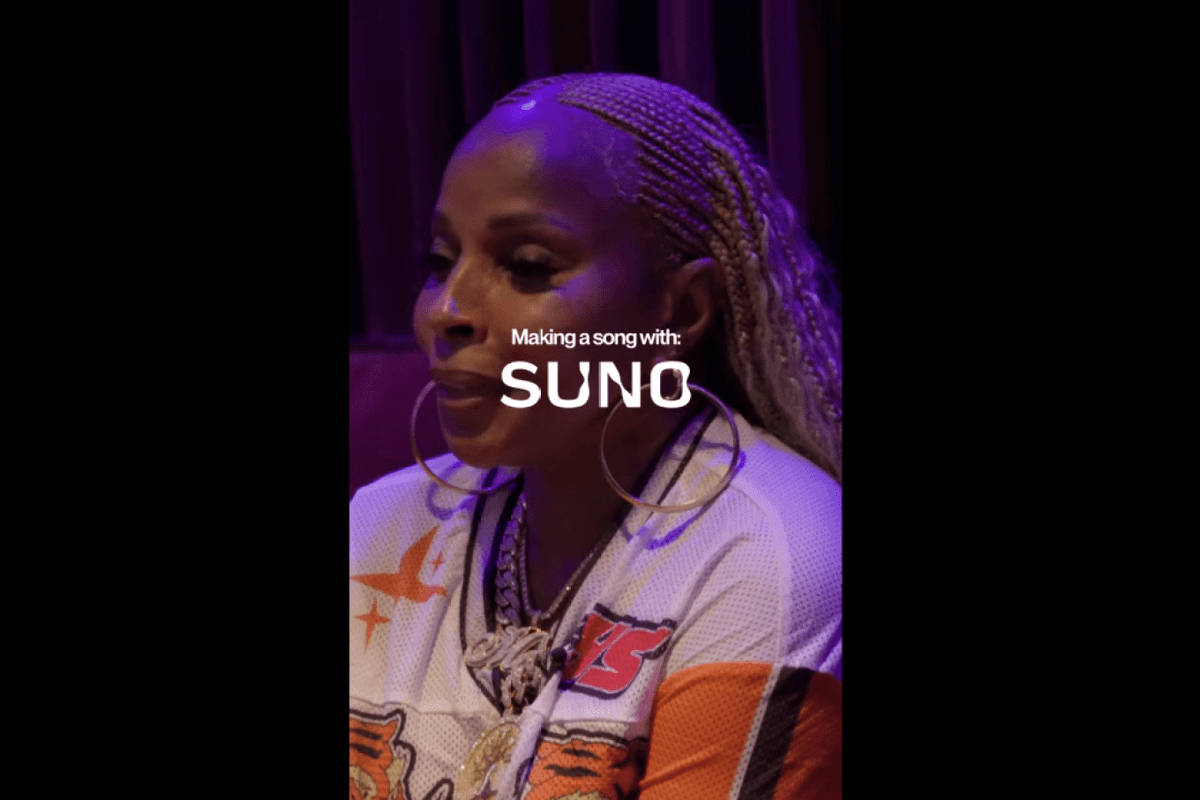
AI music generator Suno has terminated an advertising campaign featuring Mary J. Blige after discovering the company had been working with someone who falsely represented themselves as the singer's official representative. The revelation came after Blige faced significant online criticism following the release of a video that appeared to show her endorsing Suno's AI-generated music platform.
The 85-second advertisement depicted Blige in a studio setting, seemingly reacting positively to an AI-generated track titled "Pretty Flowers" that mimicked her signature R&B sound from the 1990s and 2000s. In the video, she appears to request additions like strings and a beat, watching as the track is assembled in seconds. However, Blige had never approved the advertisement, and the deal had been struck without her knowledge or consent.
According to details first reported by Variety, a Suno representative acknowledged the error in a statement: "We entered into a business deal with someone who presented themselves as Ms. Blige's official representative. As soon as we learned this was not the case, and that Ms. Blige was uncomfortable, we terminated the advertising campaign."
Why It Matters
This incident exposes critical gaps in verification processes at AI companies seeking celebrity partnerships. As generative AI platforms race to legitimize themselves through high-profile endorsements, the failure to properly vet representatives creates legal liability and reputational damage for both the technology companies and the artists they approach. For enterprises considering AI partnerships, this case underscores the need for rigorous authentication protocols before executing agreements.
Legal Troubles Mount for Suno
The unauthorized advertisement arrives during a particularly challenging period for Suno. The company faces ongoing litigation from Universal Music Group and Sony Music over alleged unauthorized use of copyrighted material. Earlier this week, Grammy-winning artist Jason Isbell and other musicians filed suit claiming Suno allows users to generate tracks based on artists' identities without permission.
Despite these legal challenges, Suno has secured licensing agreements with two major music companies: Warner Music Group, which previously sued the platform, and BMG. Last month, a German court ruled that Suno was violating both U.S. and German copyright laws.
The controversy has been amplified by the circulation of multiple versions of the Blige video online. A shorter, more heavily edited version also appeared, though it remains unclear whether Suno created that version or if it was assembled by an unaffiliated party.
A representative for Blige declined to provide additional comment beyond confirming she had not authorized the campaign. The original video remains posted on Suno's Facebook page as of this report.
These details were first reported by Variety.
This is an original analysis by the Omega editorial team. Source reporting: The Verge.
Want systems like this working for your business?
Book a Call