Enterprise
Apollo Hospitals Uses AI Agent to Cut Patient Safety Review Time
Microsoft-built system analyzes adverse events across 55 hospitals, closing 60% of cases within three days while spotting safety trends.
Key takeaways
- Apollo Hospitals' AI agent closes over 60% of patient safety cases within three days, compared to the days-long manual process previously required.
- The system uses continuous learning to improve its case assessments and question suggestions based on feedback from daily clinical governance huddles.
- Patient falls and medication errors decreased in Q3 2026 compared to the same quarter in 2025 after the DTH agent was deployed.
- Microsoft's forward-deployed engineers worked directly with clinicians to build the system around actual workflows rather than theoretical requirements.
- The agent's cluster analysis capability identified a pattern of central line infections in one unit, enabling targeted intervention.
Apollo Hospitals has deployed an AI system that dramatically accelerates how clinicians review patient safety incidents across its network of 55 hospitals in India. The Daily Tiered Huddle (DTH) agent, built with Microsoft's forward-deployed engineers, now closes over 60% of reviewed cases within three days—a process that previously took days of manual data gathering.
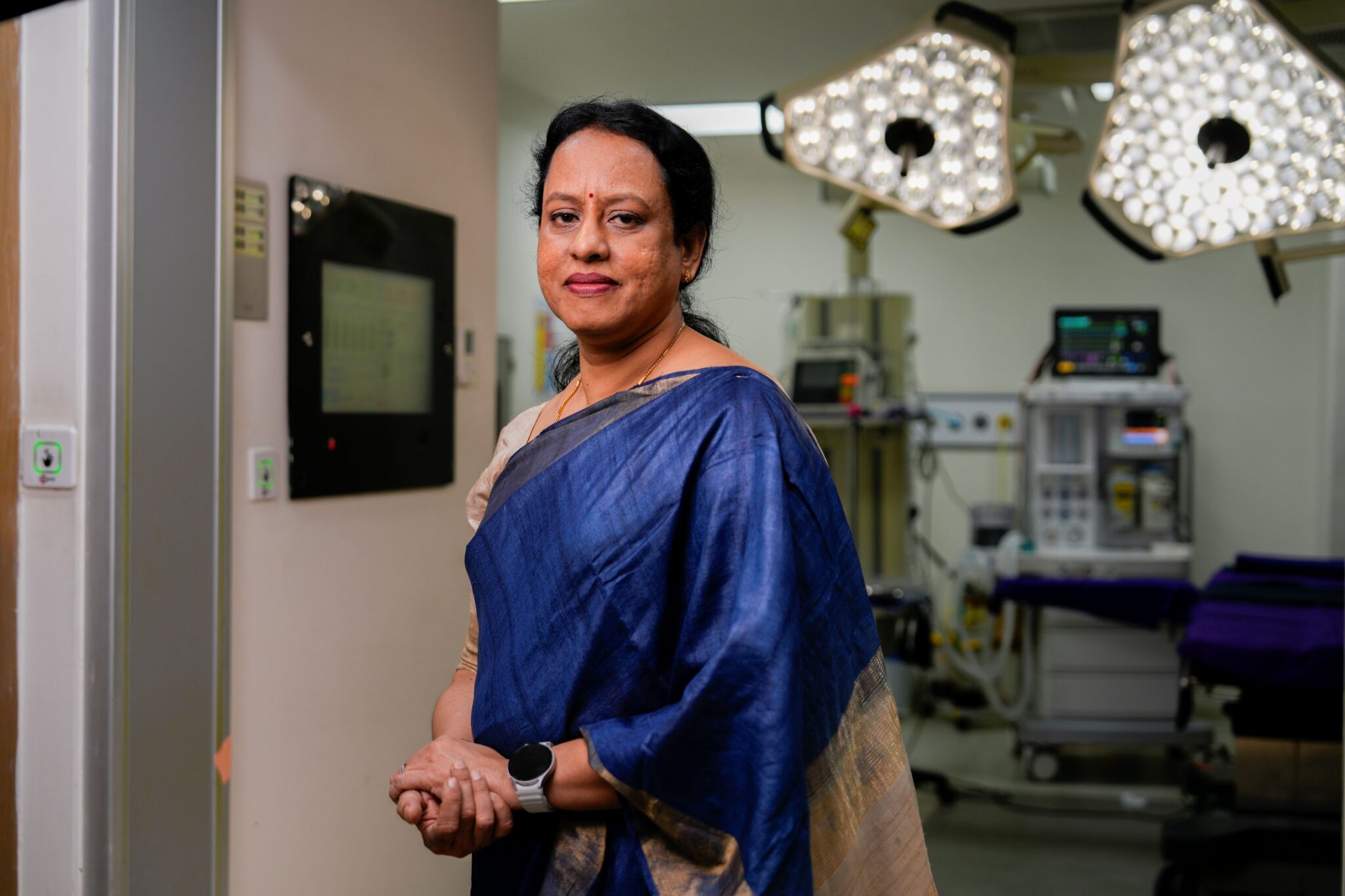
Dr. Rohini Sridhar, Apollo's chief of medical services, leads daily reviews of approximately 600 adverse events reported monthly, including patient falls, medication errors, and readmissions. Before the DTH agent, assembling a complete picture of any incident required requesting details from multiple clinicians and waiting while information was manually extracted from various hospital records.
The AI system reads hospital data stored in Microsoft Fabric and automatically flags incidents requiring review based on predefined parameters. When Dr. Sridhar clicks on a patient ID, she immediately sees treatment timelines, medication records, and test results. The agent also suggests case assessments and prompts clinicians for additional context using Microsoft Work IQ.
How the system was built
Microsoft Frontier Company's forward-deployed engineers (FDEs) worked directly alongside Apollo's clinical governance team throughout development. James Edwards, one of four FDEs on the project, said the team participated in daily calls with clinicians and observed the huddles to understand implicit workflows and translate them into the agent's capabilities.
The engineers collaborated with Apollo's technology team to match electronic health record data against information the governance team needed for reviews. During development, they used synthetic data rather than actual patient records for testing.
Ashokkan Somuveerappan, Apollo's chief information officer, noted the FDEs took a different approach than traditional software engineers by focusing on outcomes rather than isolated tasks. "A single person can work across the different areas," he said, describing how FDEs handled application, database, and user interface work.
Continuous learning and pattern detection
The DTH agent functions as a continuous learning system. It ingests discussions from daily huddles and writes information back into Microsoft Fabric, building Apollo's enterprise knowledge of the review process. This knowledge base informs the questions the agent asks clinicians and its suggested assessments.
Somuveerappan explained that the frequency of edits to the agent's recommendations serves as an accuracy metric. When clinicians accept the suggested questions without changes, it indicates the system is effectively learning context.
The agent also performs cluster analysis to identify safety trends. In one case, it flagged a pattern of central line-associated bloodstream infections in the bone marrow transplant unit, prompting corrective action.
Measurable safety improvements
Apollo tracked metrics after deploying the DTH agent. Patient falls and medication errors both decreased in the July-September 2026 quarter compared to the same period in 2025, according to usage data generated by the system.
The hospital's annual safety culture survey showed nearly 30% improvement in staff satisfaction with error handling. Employees reported higher levels of responsiveness to errors, more open communication, and better incident reporting compared to 2025.
Juliet Joji Varghese, Apollo's director of nursing in Chennai, said frontline staff now arrive prepared for leadership questions because the AI generates relevant prompts. "We go beyond looking at why or how something happened, to how we can prevent it in future," she said.
Why it matters
Patient safety reviews are critical but resource-intensive. By automating data aggregation and pattern recognition, AI systems like Apollo's DTH agent allow clinical teams to focus on complex cases requiring human judgment while processing routine incidents faster. The approach demonstrates how healthcare organizations can use AI to improve both operational efficiency and clinical outcomes when the technology is designed around actual clinical workflows rather than imposed from outside.
Looking ahead
Dr. Sridhar plans to extend the agent's capabilities to tumor board reviews and physician handovers. She also wants to develop predictive capabilities that flag deviations from expected treatment pathways at admission, shifting from reactive to proactive safety management.
"The best organizations will focus on near-miss events and will be able to identify them before they actually occur," she said.
These details were first reported by Lim Ai Leen for Microsoft Source.